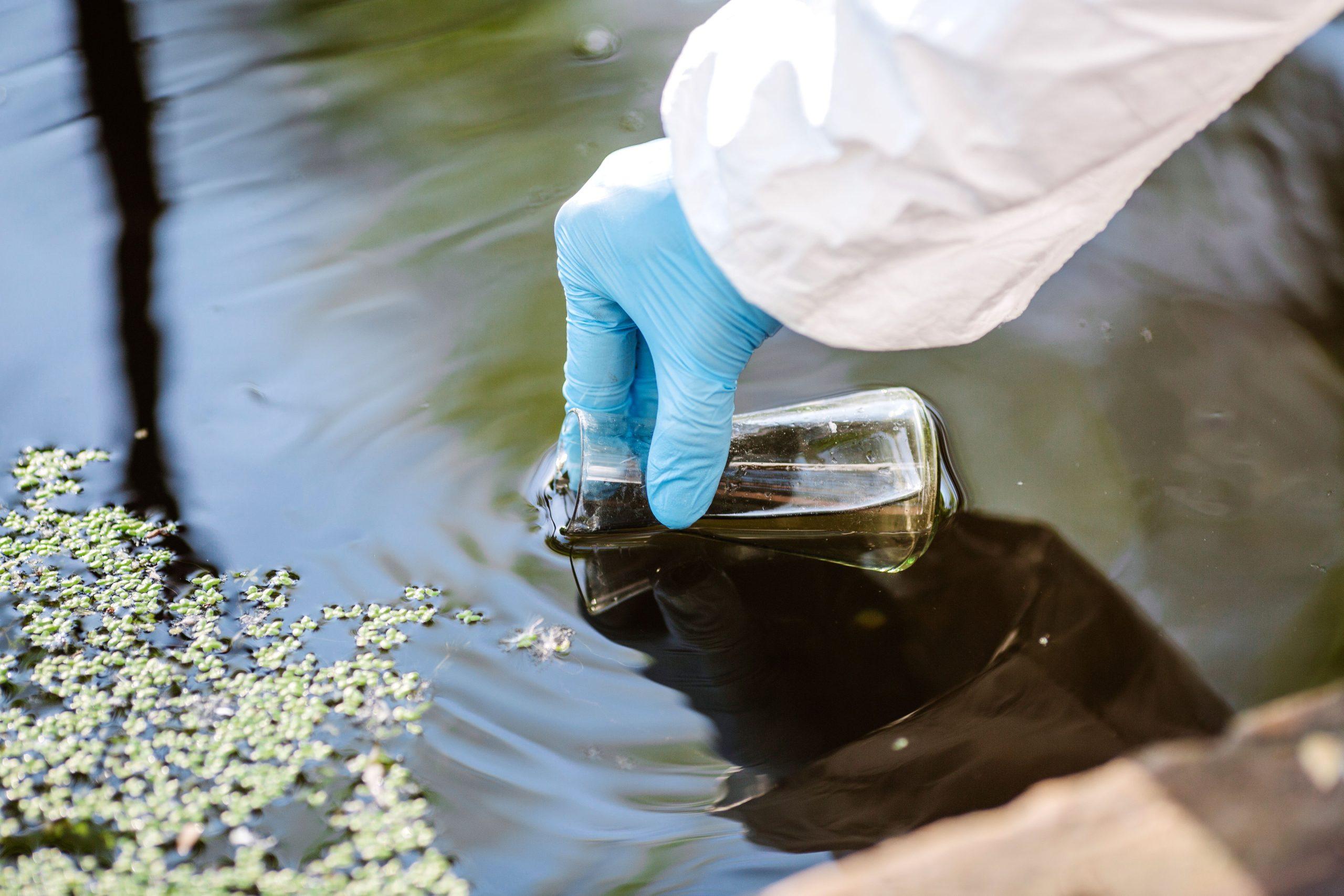
New York City’s water system is a marvel of civil engineering, a sprawling network that delivers over one billion gallons of drinking water to millions of residents and thousands of businesses every single day. While the Department of Environmental Protection (DEP) performs rigorous monitoring at the source, the journey from the water main to a faucet or a cooling tower is fraught with variables.
In a city defined by its dense infrastructure and aging buildings, the role of independent, certified water laboratories is not just supplemental—it is foundational to public health and operational efficiency. These facilities serve as the analytical backbone for property owners, construction firms, and environmental consultants, ensuring that the water flowing through private plumbing remains as safe as the day it left the reservoir.
The Critical Role of Certification in NYC Water Testing
When we talk about “certified” laboratories, we are referring to facilities that have undergone rigorous accreditation by the New York State Department of Health (NYSDOH) Environmental Laboratory Approval Program (ELAP). In NYC, certification isn’t just a badge of honor; it is a legal and safety requirement for many types of regulatory compliance.
Certified labs are required to follow standardized EPA and state-mandated methods for detecting contaminants. Whether testing for lead, copper, Legionella, or volatile organic compounds (VOCs), these labs provide the data-driven certainty that NYC’s complex NYC infrastructure requires. Without this specialized oversight, the data used to make decisions about building safety would be unreliable.
Commercial Buildings Across NYC Need Better Water Quality Intelligence
In the high-stakes world of New York City real estate, commercial buildings—ranging from Midtown skyscrapers to industrial warehouses in Long Island City—face water quality challenges that go far beyond simple potability. Today, “compliance” is no longer enough; savvy property managers are seeking comprehensive water quality intelligence to protect their assets and their occupants.
Moving Beyond Simple Compliance
For many years, commercial water testing was viewed as a “check-the-box” activity, often limited to the mandates of Local Law 77 regarding cooling towers. However, modern commercial facilities require a deeper understanding of their water chemistry to prevent costly infrastructure failures. High levels of hardness or imbalanced pH can lead to scaling and corrosion in expensive boiler systems and HVAC equipment, potentially shortening the lifespan of a building’s mechanical core by decades.
Tenant Health and the Modern Office
As businesses prioritize “wellness” in the workplace, the quality of drinking water in tenant spaces has become a competitive advantage. Certified labs provide the granular intelligence needed to verify that sophisticated point-of-use filtration systems are actually working. By moving toward a proactive model of water testing services, commercial landlords can provide documented proof of water safety, addressing tenant concerns before they become grievances.
Risk Mitigation and Data Transparency
In an era of increased environmental transparency, having a “living record” of a building’s water health is vital for risk management. Certified laboratory results provide a legally defensible data trail. Should a water-related health issue arise, a building owner with a consistent history of professional locations-based testing and analysis is in a much stronger position than one relying on sporadic or uncertified data.
Bacteria Testing Belongs in More NYC Water Quality Programs
While heavy metals often dominate the headlines, bacteria testing is becoming an increasingly vital component of the city’s safety landscape. The transition toward more frequent and stringent microbiological monitoring reflects a modern understanding of building-level risks.
- Legionella Monitoring: Under current regulations, cooling towers must undergo regular culture testing. By integrating these results into a broader water management plan, buildings can identify “dead legs” in their plumbing where bacteria are most likely to thrive.
- Potable Water Safety: Bacteria testing in residential and commercial drinking water serves as a critical indicator for the integrity of the plumbing, identifying potential breaches like backflow incidents or contaminated storage tanks.
Bronx Apartment Buildings Often Need More Than a Single Water Sample
The Bronx is home to historic developments where the scale of buildings creates a unique logistical challenge. In a large Bronx multi-family building, water travels through a massive internal network of risers.
A single sample taken from the lobby is rarely representative of the entire building. Certified laboratories often recommend multi-point sampling to ensure that potential issues—such as a corroded pipe on a high floor or a stagnant branch in a vacant wing—are identified rather than being overlooked by a single, potentially misleading data point.
Staten Island Homes Still Benefit From Certified Drinking Water Analysis
Staten Island possesses a unique plumbing profile that makes certified drinking water analysis essential for homeowners. Detached single-family homes often have long service lines that are the sole responsibility of the owner. A certified lab provides the precision needed to distinguish between a city-wide issue and a localized plumbing problem, helping Staten Islanders avoid unnecessary expenses on broad filtration systems when a targeted fix is all that is required.
Water Quality Consultants Bring Structure to Complicated Testing Results
Raw data from a laboratory can be daunting. A lab report might list dozens of parameters like pH, turbidity, and parts per billion (ppb) of various metals. This is where Water Quality Consultants provide essential value.
Consultants act as the bridge between the lab and the end-user. They take technical findings and translate them into a clear narrative. They also ensure that testing protocols meet the specific requirements of the New York City Department of Health or the Department of Buildings, ensuring total compliance and strategic planning for the property’s future.
Local Expertise: Why Regional Labs Matter
NYC’s water chemistry is unique. By referencing specific borough water guides, laboratories and consultants can help property owners understand the specific risks of their neighborhood. Whether dealing with saline intrusion in coastal areas or industrial runoff risks in pockets of Brooklyn, local expertise provides a layer of context that national “mail-in” kits simply cannot match.
The Process: From Tap to Result
When a client engages with a lab, the process follows a strict scientific path:
- Collection: Proper sampling (first-draw vs. flushed) is the foundation of accuracy.
- Chain of Custody: Documenting the sample’s journey to ensure legal defensibility.
- Analysis: Utilizing technologies like ICP-MS to detect contaminants at infinitesimal levels.
- Reporting: Comparing findings against federal and local health department standards.
For many property owners, the technicality of these reports can still be overwhelming, which is why the FAQ section of testing providers is a popular resource for quick, digestible answers.
Conclusion
The vastness of New York City means that water safety cannot be a centralized effort alone. It requires a decentralized network of experts, consultants, and scientists working in certified facilities to monitor the millions of endpoints where the public interacts with water.
From the high-level intelligence needed for commercial skyscrapers to the multi-point sampling in Bronx apartment buildings, certified water laboratories are the silent partners in NYC’s success. They provide the transparency, accuracy, and local expertise needed to keep our most precious resource safe for everyone.
If you have questions about the safety of your building’s water, the best first step is to contact us or explore our blog for the latest updates on NYC water quality standards. Keeping New York’s water safe is a collective effort, and it starts with a certified test.