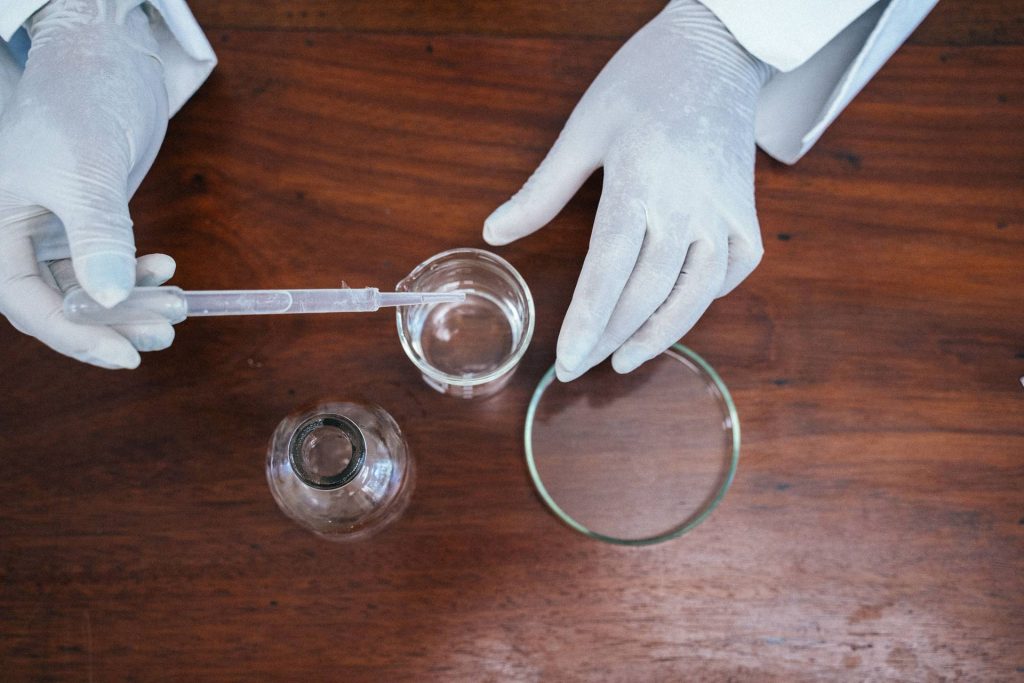
On-site sampling and certified laboratory analysis for residential, commercial, and institutional properties across all five NYC boroughs.
Lead exposure remains one of the most serious water quality concerns in Manhattan, particularly in older apartments and historic brownstones where legacy plumbing materials may still be present. While New York City’s water supply leaves the distribution system free from lead, the risk often arises within individual buildings. Lead service lines, solder, and older fixtures can introduce contamination as water travels through private plumbing systems before reaching the tap.
In many Manhattan properties, especially pre-war buildings, plumbing infrastructure may date back decades. Over time, corrosion inside pipes can cause lead particles to leach into drinking water, particularly when water sits stagnant in pipes for extended periods. This makes early morning water usage or low-occupancy units more susceptible to elevated lead levels. Importantly, lead cannot be detected by taste, color, or smell, making professional testing the only reliable method of identification.
Certified laboratory testing for lead involves carefully controlled sampling procedures designed to capture accurate readings at the point of use. First-draw samples are typically collected after water has remained undisturbed in the plumbing system, providing insight into potential contamination from pipes and fixtures. These samples are then analyzed using advanced instrumentation capable of detecting even trace amounts of lead in compliance with regulatory standards.
For property owners, landlords, and residents, routine lead testing is a critical step in maintaining a safe living environment. It helps identify hidden risks, supports compliance with local health regulations, and provides clear data for making informed decisions about pipe replacement, filtration, or remediation strategies. In a dense urban environment like Manhattan, where building conditions vary widely, testing ensures that water quality is verified where it matters most at the tap.
Lead, copper, arsenic, iron, manganese. Certified analysis at the point of use for every property type.
Total coliform, E. coli, HPC. Potability confirmed at the tap — not at the treatment plant.
PFOA, PFOS, and comprehensive PFAS panels. No color, taste, or odor — only lab analysis detects them.
Copper, iron, manganese, zinc, pH. Identifies the source of staining, metallic taste, and discoloration.
Point-of-use analysis at showers, faucets, pools, and decorative water features.
Volatile organics, disinfection byproducts, THMs, HAA5, and additional chemical screening panels.
Pre-war co-ops, high-rise towers, brownstones, and commercial properties throughout the borough.
Brownstones, walk-up rentals, co-ops, condominiums, and commercial properties across all neighborhoods.
Residential homes, multi-family buildings, commercial properties, and private well properties.
Multi-family residential buildings, older rental stock, and commercial properties throughout the borough.
Single-family homes, residential buildings, private well properties, and commercial properties.
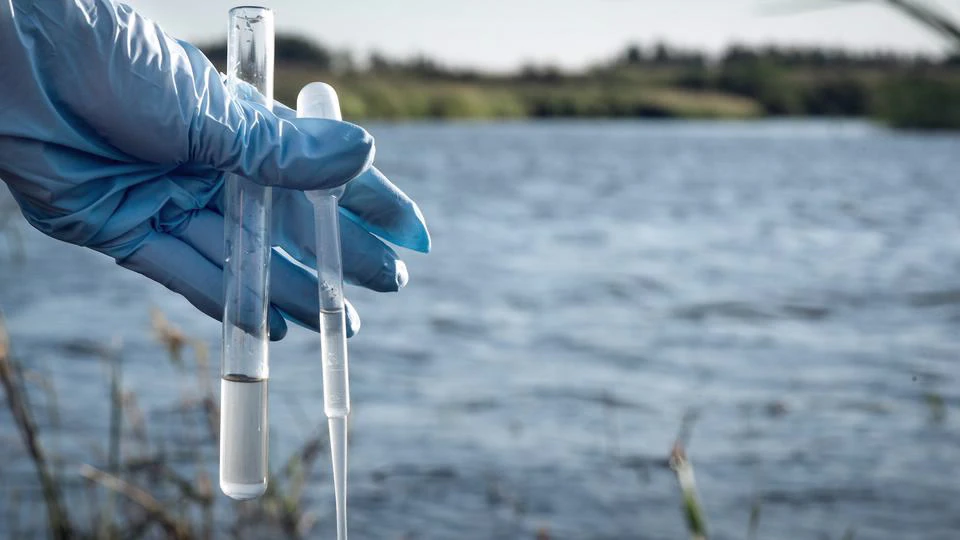
Certified specialists collect samples at your property — directly from your fixtures, with full chain-of-custody documentation.
Analyzed at NELAP accredited analysis. NYS ELAP certified results with EPA action level comparisons delivered to you.
New York City tap water is widely recognized as safe and of high quality when it leaves the municipal distribution system. The water is sourced from protected upstate reservoirs and is carefully treated and monitored to meet strict federal and state standards. Regular testing by city agencies ensures that the supply remains compliant and suitable for consumption.
However, water quality can change after it enters individual buildings. Internal plumbing systems, pipe materials, and maintenance conditions can all influence what reaches the tap. In older buildings, factors such as corrosion or stagnation may affect water quality even if the municipal supply is clean.
For this reason, while the city’s water is generally safe at the source, testing at the point of use provides a more accurate picture of actual conditions within a specific apartment or building. This helps ensure confidence in water used for drinking and daily activities.
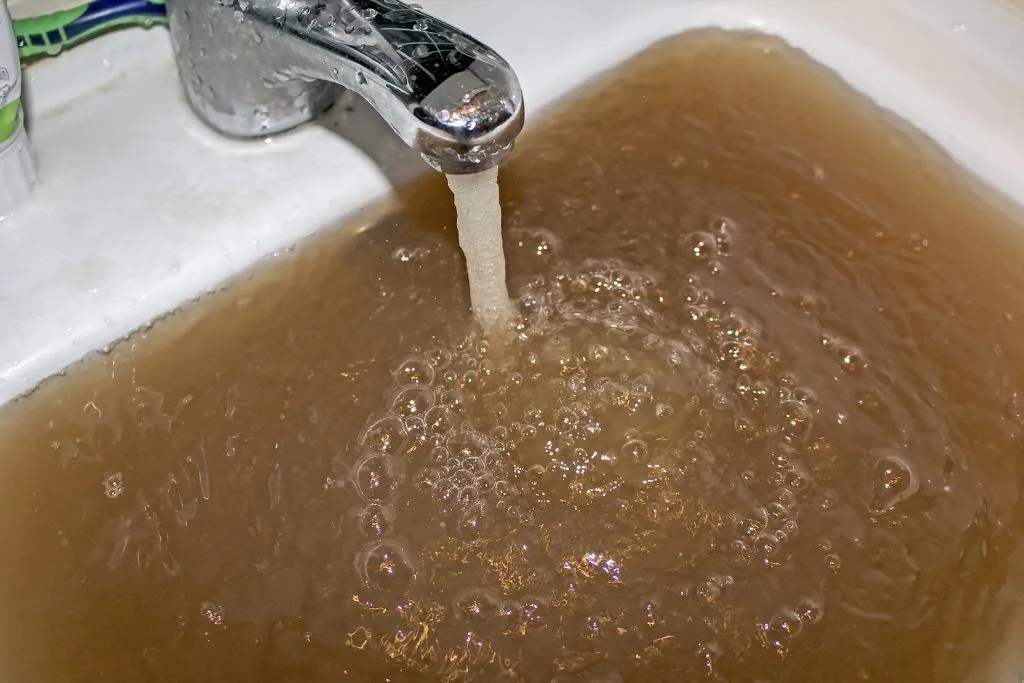
Cloudy or brown water in an apartment is usually related to temporary changes within the plumbing system rather than an issue with the overall city supply. One common cause is the presence of air bubbles, which can make water appear cloudy but typically clear up after a few moments. This often occurs when pressure changes or recent maintenance affect the flow.
Brown or discolored water is often the result of sediment or particles that have been disturbed within pipes. This can happen during hydrant flushing, nearby construction, or changes in water flow. Older plumbing systems may also contribute to this issue when internal buildup is loosened and carried through the pipes.
In most cases, these conditions are temporary and improve after running the water for a short time. If discoloration persists or occurs frequently, testing can help determine whether the cause is related to plumbing conditions or other factors within the building.
The frequency of water testing in buildings depends on factors such as building age, occupancy type, and plumbing condition. In general, periodic testing is recommended to ensure that water quality remains consistent over time. Buildings with older infrastructure or complex plumbing systems may benefit from more frequent testing due to the increased likelihood of changes within internal systems.
Residential buildings, schools, and commercial properties often follow routine testing schedules to monitor conditions and maintain compliance with local guidelines. Testing may also be performed after plumbing repairs, renovations, or noticeable changes in water appearance or taste.
Regular testing helps identify potential issues early and provides valuable data for maintenance planning. It also gives residents and occupants confidence that water quality is being actively monitored. Establishing a consistent testing schedule tailored to the building’s characteristics is one of the most effective ways to maintain safe and reliable water conditions.
Water filtration systems can be effective in reducing certain contaminants, including metals and PFAS, but their performance depends on the type of filter and how it is maintained. Different filtration technologies are designed to target specific substances, so selecting the appropriate system is important for achieving desired results.
For metals such as lead and copper, filters that use adsorption media can help reduce concentrations when properly installed and maintained. Regular replacement of filter components is essential to ensure continued effectiveness.
PFAS removal requires more specialized filtration methods due to the unique chemical properties of these compounds. Systems designed for this purpose can significantly reduce levels, but they must be properly sized and maintained to perform as intended.
While filtration can improve water quality, it is most effective when combined with testing. Understanding the specific contaminants present allows for the selection of a system that addresses actual conditions rather than relying on general assumptions.
New York City’s water system is a marvel of civil engineering, a sprawling network that…
When a tenant or employee reports “rusty” or brown water, the immediate reaction is often…
For a restaurateur in New York City, every detail is curated. From the ambient lighting…
All five boroughs. Northern New Jersey. Connecticut — Fairfield, New Haven, and Litchfield Counties.
Olympian Water Testing NYC is an established company that has served New York City since 1991, providing water analysis for residential, commercial, and institutional properties throughout Manhattan, Brooklyn, Queens, the Bronx, and Staten Island. Our certified, licensed experts guide each project from on-site sampling to defensible reporting suitable for regulatory, legal, and real estate use across NYC.
Available water quality services cover lead testing, potability testing, and bacteria testing, with E. coli, total coliform, and turbidity evaluation, plus Legionella testing, PFAS testing, and microplastics testing. A dedicated consultant helps owners, building managers, and management companies choose the right panel, and every lab analysis meets the standards that define NELAP and NYS ELAP accredited laboratories.
This is the responsive service that New York property owners and professionals have relied on for more than three decades, backed by full chain-of-custody documentation and the EPA-approved methods expected of accredited labs.
We will get back in an hour
Your name
Your email
Your phone number
Address or Zip Code
Services School Day CarePools SpasResidentialCommercialOther
School/Daycare Name Approximately how many cold water points of use are on your schools premises?
Age of the Home or Building? Years at this Address? Is this well water or city/municipal water? Is this request a city or regulatory requirement such as for a real estate transaction?
Age of the property? Is this request a city or regulatory requirement? Is this for well water or city/municipal water?
Your message Please prove you are human by selecting the key.