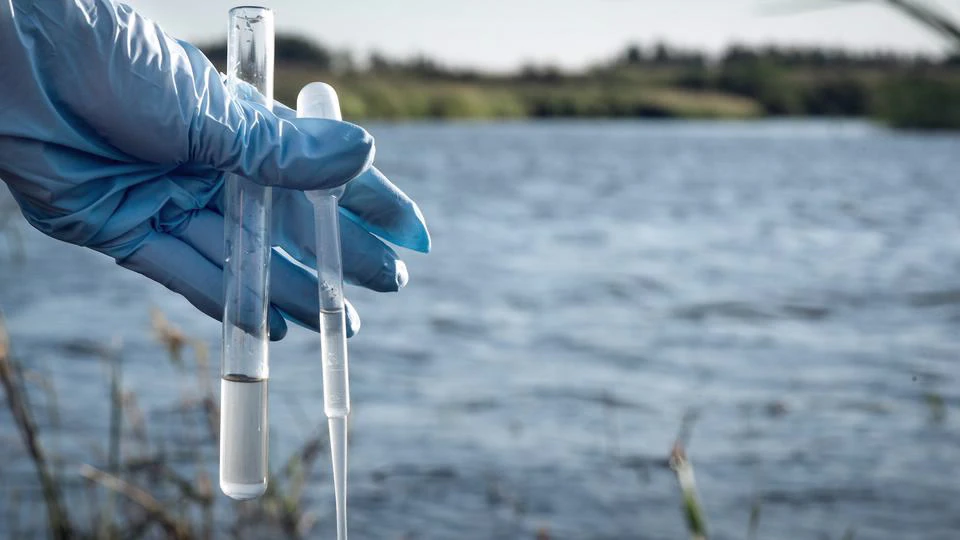

Water testing services Brooklyn do their best work when they help homeowners protect both their families and their treasured historic properties. The iconic Brooklyn brownstone is more than just a home; it is a piece of New York City history, from the ornate cornices of Bedford-Stuyvesant to the tree-lined blocks of Park Slope. Yet behind these beautiful limestone and brick facades lies a question many residents overlook: is the drinking water truly safe? This is precisely where professional testing proves its value, offering certified analysis that reveals what the eye cannot see. While the city’s municipal supply is world-class, the age of Brooklyn’s building stock creates a unique set of challenges, making expert testing a non-negotiable step for homeowners and renovators alike in 2026.
The “Final Mile” Problem in Historic Brooklyn
New York City’s water is delivered lead-free through an expansive network of upstate reservoirs. However, once that water reaches the street in front of a Brooklyn brownstone, it must pass through a “service line” to enter the home.
In many of Brooklyn’s historic districts, these service lines are original to the building or date back to the early 20th century. Before the city-wide ban in 1961, lead was the industry standard for these connections because of its durability and flexibility. Today, those same lead lines—and the galvanized steel pipes that often accompanied them—are the primary source of concern for local residents.
Identifying the Risk
Many owners are surprised to learn that even if they have updated their kitchen and bathroom plumbing to modern copper or PEX, they may still have a lead service line buried beneath their sidewalk. Common signs of aging infrastructure in these homes include:
- Persistent Metallic Taste: Often a sign of leaching metals or corroding galvanized steel.
- Fluctuating Water Pressure: Built-up sediment and internal corrosion in century-old pipes can restrict flow.
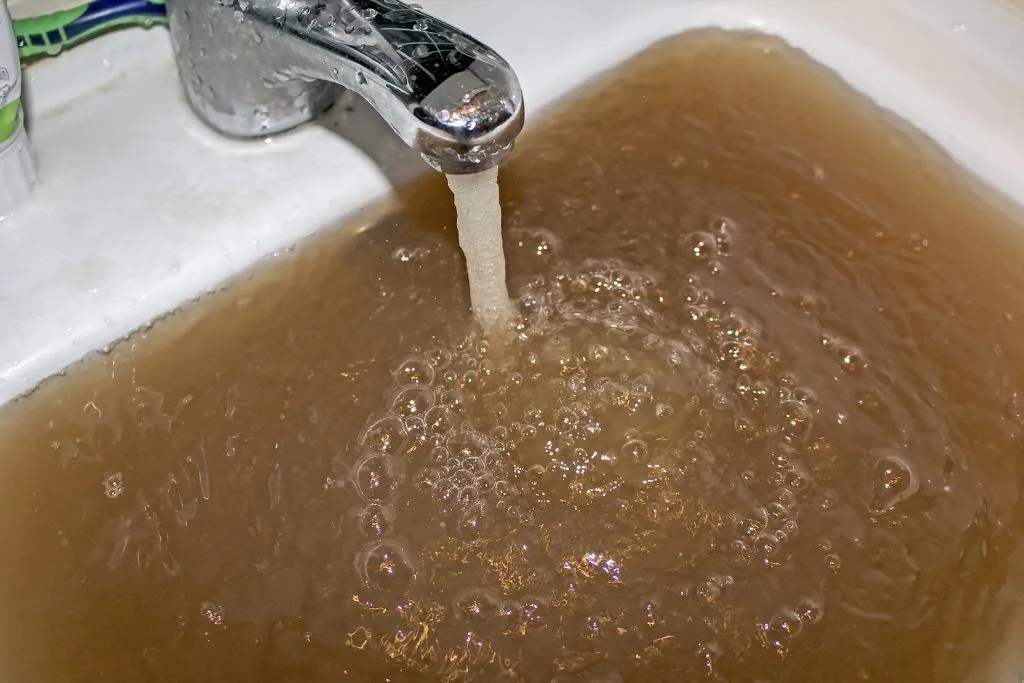
- Discoloration: “Brown water” events, often triggered by nearby construction or hydrant flushing, can release accumulated particulates from old service lines.
For those unsure of their home’s status, the NYC DEP offers a Lead Service Line Map, though local inspectors often warn that these records can be inconclusive for older Brooklyn blocks.
Modern Testing for Modern Renovations
The current trend in Brooklyn real estate is the “gut renovation,” where historic shells are outfitted with state-of-the-art interiors. However, a high-end renovation is incomplete without a professional assessment of the NYC infrastructure connecting the house to the grid.
Standardized water testing services are now frequently integrated into the pre-purchase inspection process. Buyers want to know if they are facing an $8,000 to $15,000 service line replacement before they close on a property. Professional lab analysis provides the data needed to make informed decisions about filtration and plumbing upgrades.
Pro Tip: If you are scraping a pipe in your basement to check its material, remember: lead is soft and dull grey but turns shiny silver when scratched; copper is the color of a penny; and galvanized steel is magnetic.
Localized Concerns and Borough Guides
Water quality isn’t just a building-specific issue; it’s a neighborhood one. Brooklyn’s industrial past in areas like Gowanus and Williamsburg adds another layer of complexity to groundwater and soil health, which can occasionally impact older, compromised water lines.
Residents are increasingly turning to specialized borough water guides to understand the specific contaminants prevalent in their ZIP codes. These guides help homeowners move beyond generic carbon filters to solutions that target the specific mineral and chemical profiles of Brooklyn’s water.
The Role of the DEP and City Programs
The city has not been idle. In 2026, the Lead Service Line Replacement Program continues to target specific geographic areas for free replacements. However, eligibility is often limited to specific socio-economic zones or properties that have already demonstrated high lead levels through testing. For the average brownstone owner, the burden of proof—and the cost of remediation—often remains a private responsibility.
Why Professional Lab Testing Matters
While “at-home” DIY kits are widely available, they often lack the sensitivity required to detect low-level lead contamination or complex microbial issues like Legionella, which can persist in stagnant “dead legs” of old plumbing.
Professional testing in NYC provides:
- Certified Accuracy: Results that are admissible for insurance or legal documentation.
- Comprehensive Panels: Testing for heavy metals, VOCs, and bacteria in a single sweep.
- Remediation Mapping: Detailed insights into whether a problem is coming from the street, the internal risers, or a specific faucet.
Protecting the Next Generation
The urgency behind these water questions is often driven by the influx of young families into Brooklyn. Lead exposure, even at low levels, is a significant concern for developing children and pregnant women.
By prioritizing regular testing and maintaining a transparent dialogue about water quality, Brooklyn’s “Brownstoners” are ensuring that these historic homes remain safe, healthy environments for the next century of residents.
If you are concerned about the water quality in your historic home or are planning a renovation, visiting a detailed FAQ can provide clarity on the next steps for testing and filtration. To schedule a professional assessment of your property, you can contact us to ensure your Brooklyn legacy is built on a foundation of clean, safe water.