
New York City’s water system is a marvel of civil engineering, a sprawling network that delivers over one billion gallons of drinking water to millions of residents every single day. While the Department of Environmental Protection (DEP) performs rigorous monitoring at the source, the journey from the water main to a kitchen faucet is fraught with variables.
In a city defined by its dense infrastructure and aging buildings, the role of independent, certified water laboratories is not just supplemental—it is foundational to public health. These facilities serve as the analytical backbone for property owners, construction firms, and environmental consultants, ensuring that the water flowing through private plumbing remains as safe as the day it left the reservoir.
The Critical Role of Certification in NYC Water Testing
When we talk about “certified” laboratories, we are referring to facilities that have undergone rigorous accreditation by the New York State Department of Health (NYSDOH) Environmental Laboratory Approval Program (ELAP). In NYC, certification isn’t just a badge of honor; it is a legal and safety requirement for many types of regulatory compliance.
Certified labs are required to follow standardized EPA and state-mandated methods for detecting contaminants. Whether testing for lead, copper, Legionella, or volatile organic compounds (VOCs), these labs provide the data-driven certainty that NYC’s complex NYC infrastructure requires. Without this specialized oversight, the data used to make decisions about building safety would be unreliable.
Queens: Residential Buildings Present a Wide Range of Water Quality Conditions
The borough of Queens perfectly illustrates why a “one size fits all” approach to water monitoring doesn’t work. As the largest borough by land area, Queens features a diverse housing stock that ranges from high-rise luxury apartments in Long Island City to century-old detached homes in Ridgewood and Woodhaven. Because of this variety, water testing services must be adapted to the specific age and type of the building in question.
High-Rise Challenges: Tanks and Pressure
In many of the newer or taller residential buildings across Queens, water must be pumped to rooftop storage tanks to maintain pressure for the upper floors. If these tanks are not properly maintained, they can become breeding grounds for bacteria or accumulate sediment. Certified labs help building managers stay compliant with NYC health codes by performing regular bacteriological sweeps.
Older Housing and the Lead Legacy
For the thousands of pre-war homes in neighborhoods like Astoria or Sunnyside, the primary concern is often the pipes themselves. Lead service lines were common in New York City until the 1960s, and lead solder was used well into the 1980s. In these residential settings, water quality is highly localized; one house may have upgraded to copper, while the neighbor may still have an original lead line.
Heavy Metals Testing Still Drives Some of the Most Important Water Decisions
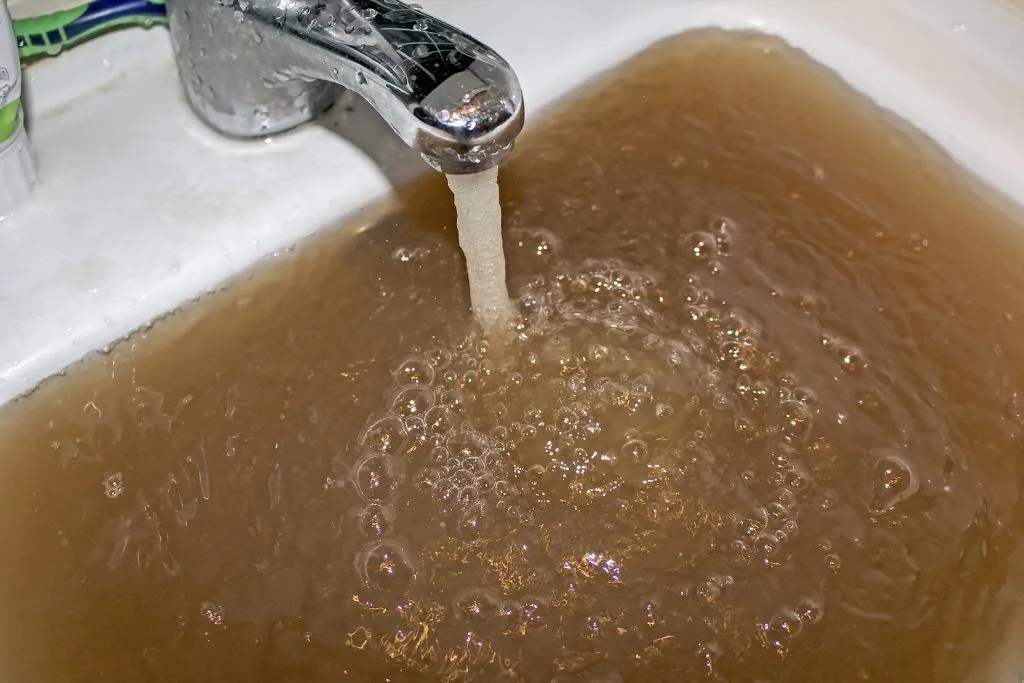
Despite the rise of modern chemical concerns, heavy metals testing remains the most critical diagnostic tool for New York City property owners. Metals like lead, copper, and mercury are “invisible” threats—they don’t change the color, taste, or smell of the water, yet their presence can lead to significant health complications and massive financial liability for building owners.
The Impact on Public Health Decisions
Heavy metals, particularly lead, are neurotoxins. In NYC, where many schools and daycare centers operate in vintage buildings, heavy metals testing is the primary driver for “remediation decisions.” When a certified lab detects lead levels above the EPA Action Level, it triggers an immediate response: shutting down fountains, installing specialized filtration, or repiping entire wings of a building. These are high-stakes decisions that rely entirely on the accuracy of laboratory data.
Real Estate Transactions and Liability
In the world of NYC real estate, a clean bill of health regarding heavy metals is often a prerequisite for closing a deal or securing a mortgage. Buyers and lenders require documented proof from certified labs to ensure they aren’t inheriting a “toxic” asset. Heavy metals testing effectively acts as a risk-mitigation tool, protecting the financial interests of developers while safeguarding the physical health of future tenants.
Understanding Corrosion Control
Because NYC water is “soft,” it can be naturally aggressive toward metal plumbing. Certified labs analyze not just the presence of metals, but also the chemical parameters—like pH and alkalinity—that influence how water interacts with pipes. This data allows engineers to make informed decisions about corrosion control treatments, potentially saving buildings thousands of dollars in premature pipe failure and leak repairs.
Supporting Diverse Sectors Across the Five Boroughs
The New York City testing landscape extends beyond just residential concerns. Certified labs support a wide array of sectors through specialized testing tailored to the specific challenges of each environment.
- Commercial Real Estate: Compliance with Local Law 77 for Legionella monitoring.
- Construction: Ensuring new plumbing systems meet potability standards before occupancy.
- Industrial: Monitoring discharge and runoff to ensure compliance with DEP environmental standards.
Local Expertise: Why Regional Labs Matter
NYC’s water chemistry is unique. By referencing specific borough water guides, laboratories can help property owners understand the specific risks of their neighborhood. Whether dealing with the higher likelihood of saline intrusion in coastal areas or the specific industrial runoff risks in certain pockets of Brooklyn or Queens, local certified labs provide a layer of contextual expertise that national “mail-in” kits simply cannot match.
The Process: From Tap to Result
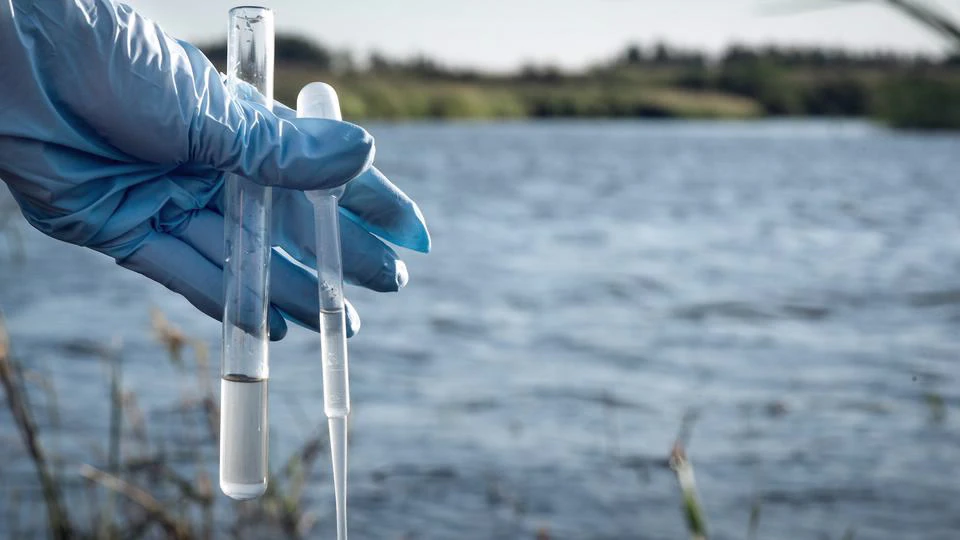
The journey of a water sample is a precise scientific process. When a client engages with a lab or a testing service at a specific location, the process typically follows these steps:
- Collection: Proper sampling is crucial (first-draw vs. flushed).
- Chain of Custody: Documenting every hand that touches the sample to ensure legal defensibility.
- Analysis: Utilizing technologies like ICP-MS to detect metals at the parts-per-billion level.
- Reporting: Comparing findings against federal and local health department standards.
For many property owners, the technicality of these reports can be overwhelming. This is why many turn to the FAQ section of testing providers to translate data into actionable information.
Conclusion
The vastness of New York City means that water safety cannot be a centralized effort alone. It requires a decentralized network of experts and scientists working in certified facilities to monitor the millions of endpoints where the public interacts with water.
From heavy metals testing that protects our children to the complex monitoring of infrastructure in Queens, certified water laboratories are the silent partners in NYC’s success. They provide the transparency, accuracy, and local expertise needed to keep our most precious resource safe for everyone.
If you have questions about the safety of your building’s water, the best first step is to contact us or explore our blog for the latest updates on NYC water quality standards. Keeping New York’s water safe is a collective effort, and it starts with the precision of a certified test.