Introduction
New York City’s drinking water system is often considered one of the most advanced and reliable in the United States. Supplying millions of residents across five boroughs, the system delivers high-quality water from protected natural sources located far beyond the city itself. While many people are aware that NYC water comes from upstate reservoirs, fewer understand the full journey it takes before reaching a kitchen tap or bathroom faucet.
From forested watersheds to underground tunnels, and from distribution mains to individual building plumbing systems, each stage plays a critical role in determining the final quality of drinking water. While the municipal system is carefully maintained and monitored, the last segment of this journey often introduces variables that can influence what residents actually experience at the point of use.
Understanding how water travels from its source to your faucet provides valuable insight into why water quality can vary between buildings and even between units in the same property. It also highlights the importance of professional water testing services and testing water where it is actually consumed, rather than relying solely on system-wide reports.
Protected Watersheds and Reservoir Systems
New York City’s drinking water begins in protected watershed regions located in the Catskill, Delaware, and Croton systems. These areas are carefully managed to preserve water quality through natural filtration processes. Rainwater and snowmelt collect in streams and rivers, eventually feeding into large reservoirs that store vast amounts of water for city use.
One of the defining features of NYC’s water supply is the level of protection given to these watershed areas. Land use is regulated, and efforts are made to minimize pollution sources. Forests, wetlands, and natural landscapes act as filters, removing impurities before water even enters the reservoir system. This allows the city to maintain high water quality with minimal reliance on mechanical filtration compared to other major cities.
The reservoirs themselves serve as both storage and stabilization systems. They help regulate supply during periods of high demand or limited rainfall, ensuring that water remains available year-round. At this stage, the water is already of high quality, but it will still undergo additional treatment before entering the distribution network.
For more information about NYC’s water system and related infrastructure, see this NYC water infrastructure guide.
Aqueducts and Underground Tunnels
Once water leaves the reservoirs, it begins a long journey toward the city through a network of aqueducts and tunnels. These structures are engineered to transport water over long distances using gravity, eliminating the need for large-scale pumping systems.
The aqueduct system includes major conduits such as the Catskill Aqueduct and Delaware Aqueduct, which carry water toward NYC through underground pathways. These tunnels are designed to handle massive volumes while maintaining consistent flow and pressure. The use of gravity not only improves efficiency but also reduces energy consumption and mechanical complexity.
As water approaches the city, it enters deeper tunnel systems that distribute it across boroughs. These tunnels are part of a multi-layered infrastructure designed to ensure redundancy and reliability. If maintenance or repairs are required in one section, other parts of the system can continue to operate without major disruption.
This stage of the journey is largely hidden from public view, yet it is one of the most critical components of NYC’s water system. It ensures that water moves efficiently from distant reservoirs into the urban environment while maintaining quality and consistency.
Water Treatment and Disinfection
Before water is distributed to residents, it undergoes treatment processes designed to ensure safety and compliance with regulatory standards. NYC uses a combination of modern disinfection techniques to maintain water quality throughout the system.
One of the key methods used is ultraviolet disinfection, which helps neutralize microorganisms without introducing additional chemicals. This is complemented by controlled chlorination, which provides residual protection as water travels through pipes and distribution mains.
These treatment processes are carefully monitored to maintain balance. Too little treatment could allow contaminants to persist, while too much could affect taste and odor. Continuous testing ensures that water leaving the treatment stage meets strict guidelines set by health authorities.
It is important to note that at this point, water quality is generally consistent and safe across the system. However, as water moves beyond the main distribution network and into individual buildings, additional factors begin to influence its condition.
Residents who want to understand available testing options can explore water testing services in NYC.
Distribution Mains Beneath the City
After treatment, water enters the city’s distribution system, which consists of thousands of miles of underground mains. These pipes run beneath streets and neighborhoods, delivering water to residential, commercial, and industrial properties.
Distribution mains vary in size and material, depending on their location and age. Larger mains carry water through major routes, while smaller pipes branch off to serve specific areas. This network ensures that water is available across all boroughs at all times.
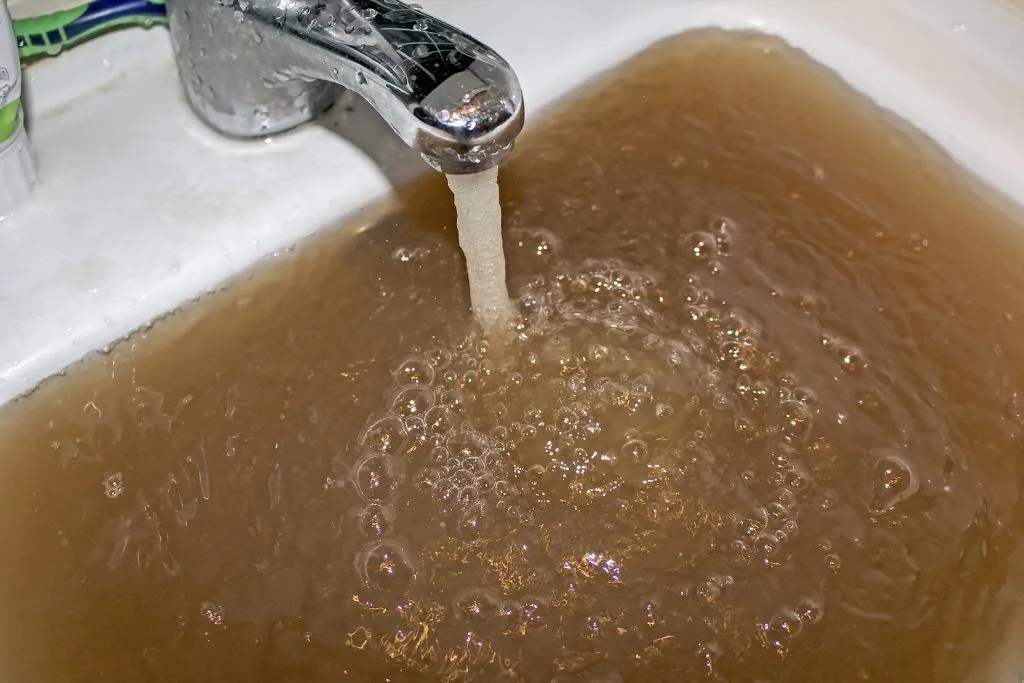
While the system is designed for efficiency, it is also subject to ongoing maintenance and repair. Over time, pipes can accumulate sediment or experience wear. Changes in flow or pressure, as well as maintenance activities such as hydrant flushing, can temporarily affect water clarity.
Despite these variables, the distribution system is closely monitored to ensure that water remains within acceptable quality standards. However, once water leaves these mains and enters individual service lines, the final stage of the journey begins.
Residents can also explore borough-specific water guides to learn more about water-related considerations in different parts of New York City.
Service Lines and Building Entry Points
Service lines connect the main distribution system to individual buildings. These smaller pipes play a critical role in delivering water directly into homes and properties. However, their condition and material can influence water quality at the point of entry.
Older service lines may be made from materials that are no longer commonly used today. Over time, these pipes can develop internal buildup or experience wear that affects water clarity and composition. Because service lines are often privately maintained, their condition can vary significantly between properties.
Once water enters a building, it transitions from municipal infrastructure to internal plumbing systems. This is the point where water quality can begin to diverge from what is measured at the city level.
Internal Building Plumbing Systems
Inside buildings, water travels through a network of pipes, fixtures, and storage systems that are unique to each property. These systems can vary widely depending on building age, design, and maintenance practices.
In older buildings, plumbing materials may include components that interact with water over time. Corrosion, buildup, and stagnation can all influence water quality within these systems. In high-rise buildings, additional complexity is introduced through pressure regulation systems and storage tanks.
Water usage patterns also play a role. In areas where water is used frequently, flow remains consistent and reduces the impact of stagnation. In less frequently used spaces, water may sit in pipes for extended periods, increasing interaction with plumbing materials.
Because these factors are specific to each building, water quality can vary even within the same neighborhood or structure. This highlights the importance of testing at the point of use.
Why Water Quality Can Change Before Reaching the Tap
Although NYC’s water is high quality at the source, several factors can influence its condition before it reaches the tap. These include pipe material, system age, maintenance practices, and usage patterns.
Changes in pressure, temperature, and flow can also affect how water interacts with plumbing systems. In some cases, residents may notice differences in taste, clarity, or appearance that are not related to the city supply but rather to internal conditions.
Temporary changes may also occur due to infrastructure work, hydrant flushing, or nearby construction. These events can disturb sediment within pipes, leading to short-term variations in water appearance.
Understanding these factors helps explain why water quality is not always uniform across all locations. Residents looking for information specific to their area can also review the available NYC water testing locations.
The Importance of Testing at the Point of Use
Testing water at the point of use provides the most accurate representation of what is actually being consumed. While city reports offer valuable information about overall system performance, they do not account for conditions within individual buildings.
Professional testing identifies specific contaminants and provides clear data on water quality. This allows residents and property managers to make informed decisions about maintenance, upgrades, or treatment solutions.
Testing is particularly important in older buildings, high-occupancy properties, and areas where changes in water conditions have been observed.
If you have questions about water testing, sampling, or common water-quality concerns, the NYC water testing FAQ provides additional information.
For residents or property managers who are ready to arrange testing, you can contact NYC water testing professionals to discuss your testing needs.
Conclusion
New York City’s drinking water system is a remarkable example of engineering and environmental management. From protected reservoirs to advanced treatment processes, every stage is designed to deliver safe and reliable water to millions of people.
However, the final stage of this journey occurs within individual buildings, where plumbing systems and local conditions can influence water quality. Understanding this complete path from reservoir to faucet helps explain why testing at the point of use is essential.
By combining knowledge of the system with proactive testing, residents and property managers can ensure that their water remains consistent, safe, and suitable for everyday use.
For additional information about water quality, testing, and NYC water-related topics, visit the NYC Water Testing homepage or explore the latest articles in the water testing blog.