Water testing has evolved far beyond simple visual checks and basic chemical strips. Today’s technology can detect contaminants at concentrations that older methods would completely miss, which is why so many residents and building owners now rely on professional water testing companies Manhattan to safeguard their properties. These experts use advanced laboratory techniques to identify hidden threats such as lead, bacteria, and chemical residues before they become serious health concerns. Modern water testing is not just faster; it is fundamentally more accurate, more accessible, and far more capable of catching problems early. Understanding how these technologies work and why they matter helps homeowners and property managers make smarter, more informed decisions about the water running through their buildings.
How Water Testing Technology Has Evolved
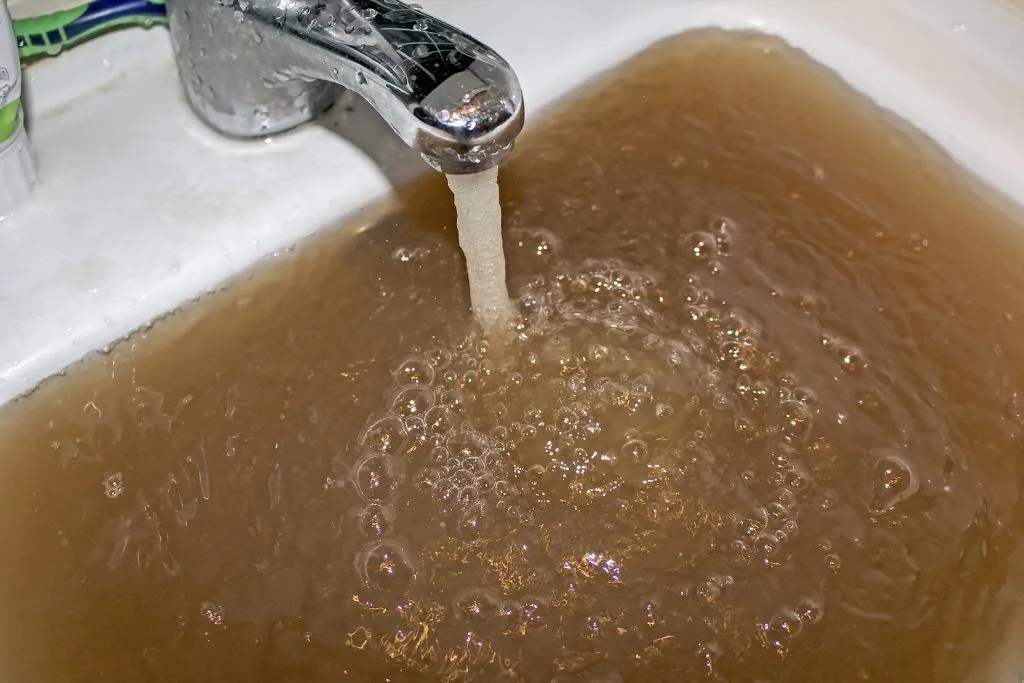
For decades, water testing relied heavily on basic chemical indicators and visual inspection. While useful for identifying obvious problems, these older methods often missed low-level contamination that could still pose serious health risks over time.
Modern laboratory technology has changed this significantly. Today’s testing methods can detect contaminants at concentrations measured in parts per billion, offering a level of precision that was simply not possible a generation ago.
Key Advances in Testing Technology
- Inductively coupled plasma mass spectrometry (ICP-MS), which detects trace metals like lead at extremely low concentrations
- Polymerase chain reaction (PCR) testing, which identifies specific bacterial and microbial DNA with high accuracy
- Automated chromatography systems, which analyze chemical compounds and disinfection byproducts efficiently
- Digital reporting platforms, which make results easier to access, understand, and track over time
Why Advanced Testing Matters for Public Health
Public health protection depends on the ability to detect problems before they cause harm. Modern testing technology plays a direct role in this by identifying contaminants at levels far below what older methods could reliably measure.
This increased sensitivity means that potential issues, such as early-stage lead leaching or low-level bacterial presence, can be identified and addressed long before they pose a serious risk to residents.
How Technology Improves Early Detection
- Identifies contamination trends before they become visible or noticeable through taste or smell
- Allows for more frequent, less invasive testing due to smaller required sample sizes
- Reduces the time between sample collection and actionable results
- Supports more precise recommendations based on exact contaminant concentrations
The Environmental Protection Angle
Water testing technology does not just protect individual health. It also plays a role in broader environmental protection by helping identify sources of contamination that could affect local water systems, waterways, and shared infrastructure.
Accurate testing allows building managers, homeowners, and local authorities to pinpoint the origin of contamination, whether it stems from aging infrastructure, industrial runoff, or seasonal environmental changes, and respond accordingly.
Environmental Benefits of Modern Testing
- Early identification of infrastructure leaks that waste water and increase contamination risk
- Better data for municipal planning and infrastructure investment decisions
- Reduced reliance on bottled water, which carries its own environmental footprint
- Support for more targeted, efficient use of filtration and treatment resources
Why Manhattan Properties Benefit From Advanced Testing
Manhattan’s dense urban environment, combined with a wide range of building ages and plumbing systems, makes advanced testing technology especially valuable. Older buildings may harbor legacy infrastructure issues, while high-rise developments face their own unique water pressure and storage challenges.
Legacy Buildings and Precision Testing
Many Manhattan buildings predate modern plumbing codes, which means lead pipes or solder may still be present. Advanced testing methods like ICP-MS can detect even trace amounts of lead, providing far more confidence than older, less sensitive methods.
High-Rise Systems and Real-Time Data
Buildings with rooftop tanks and booster pumps benefit from faster turnaround testing, allowing property managers to respond quickly to any signs of bacterial growth or sediment buildup before they affect residents.
Mixed-Use Developments and Comprehensive Screening
Properties combining residential and commercial use often have more complex plumbing configurations. Modern testing technology allows for comprehensive screening across multiple points in the system, rather than relying on a single, generalized sample.
How Modern Testing Technology Works in Practice
Understanding how these advanced methods are applied can help demystify the testing process for homeowners and property managers considering professional water analysis.
Step 1: Targeted Sample Collection
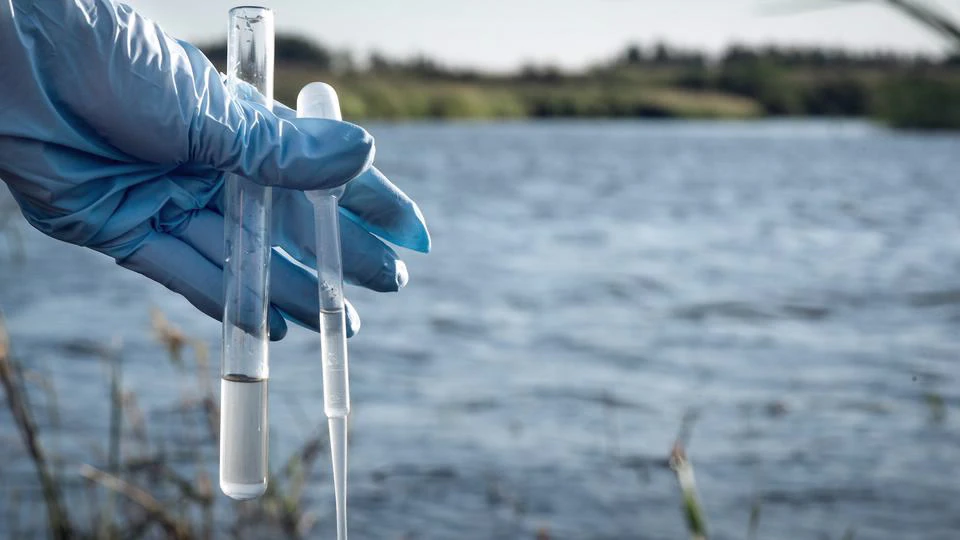
Samples are collected from specific points in a building’s plumbing system, chosen based on risk factors like pipe age, water source, and building layout.
Step 2: Advanced Laboratory Analysis
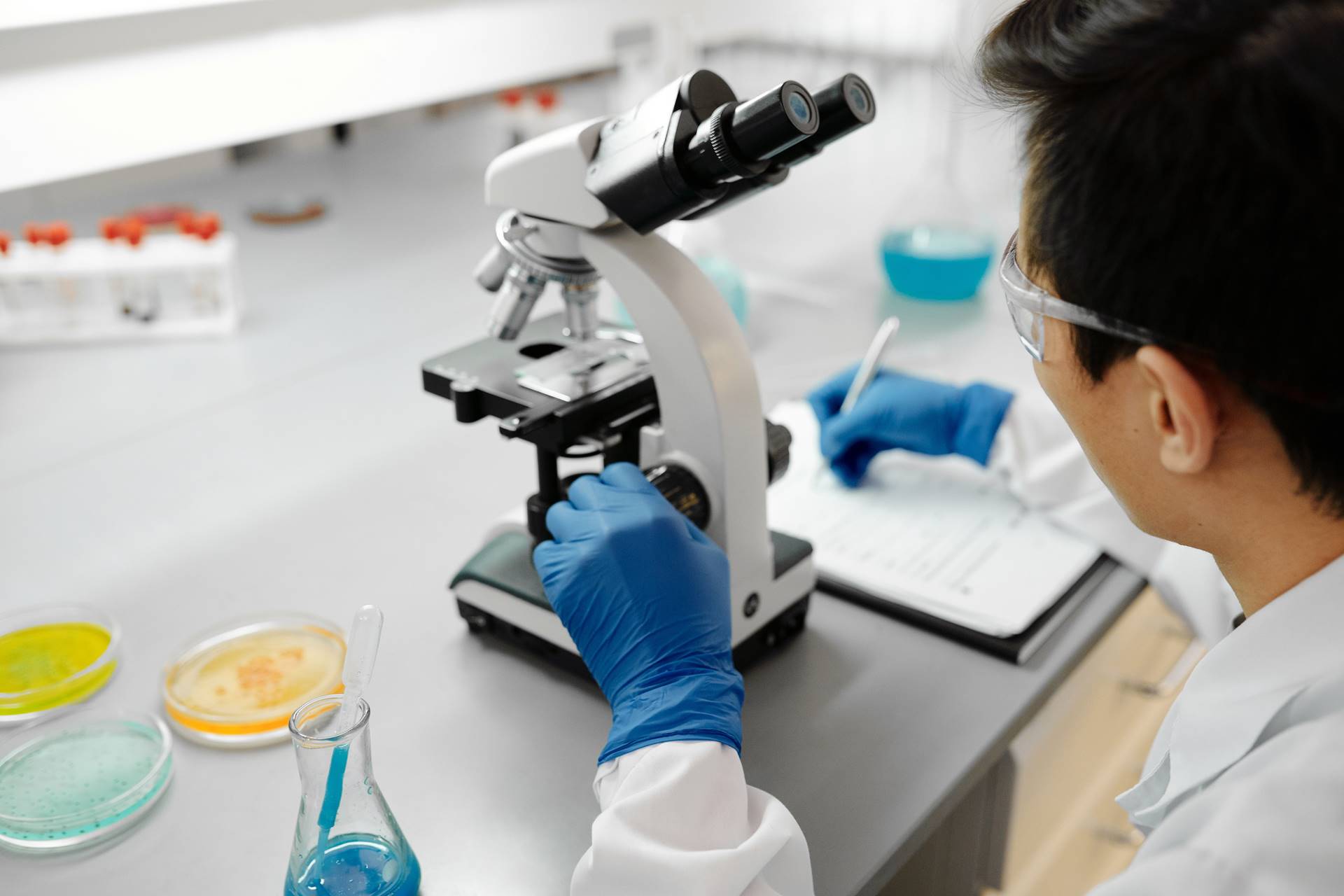
Using technologies such as ICP-MS and PCR testing, laboratories can detect contaminants at concentrations far below what basic test kits can measure, ensuring highly accurate results.
Step 3: Digital Reporting and Data Tracking
Modern reporting platforms allow results to be tracked over time, making it easier to identify trends and respond proactively rather than reactively.
Step 4: Precision-Based Recommendations
Because modern testing provides such detailed data, recommendations can be far more targeted, whether that means a specific type of filtration system or a focused repair to a particular section of plumbing.
Practical Steps for Leveraging Modern Testing
Access to advanced testing technology is only valuable if it is used consistently and strategically. Consider these practical steps for making the most of modern water testing capabilities.
- Schedule comprehensive testing at least annually, using laboratories equipped with advanced detection methods
- Request digital reporting that allows for easy tracking of results over time
- Use precise testing data to guide filtration and plumbing decisions rather than relying on assumptions
- Pair advanced lab testing with routine maintenance of tanks, pumps, and plumbing fixtures
- Work with a provider who can explain technical results in clear, understandable terms
Choosing a Water Testing Company With the Right Technology
Not all testing providers use the same level of technology or laboratory partnerships. When evaluating companies, consider the following factors to ensure you receive the most accurate and useful results.
- Access to advanced laboratory methods, such as ICP-MS and PCR testing
- Digital reporting capabilities that make it easy to track results over time
- Experience with Manhattan’s diverse building types, from historic structures to modern high-rises
- Clear communication that translates technical data into practical guidance
- Transparent pricing that reflects the value of advanced testing without hidden costs
A company that combines advanced technology with clear communication offers the best of both worlds: precise data and practical, actionable insight.
Final Thoughts
Modern water testing technology has fundamentally changed what is possible in protecting public health and the environment. With the ability to detect contaminants at extremely low concentrations, today’s testing methods offer a level of confidence that simply was not available in the past.
For residents and property managers throughout Manhattan, embracing these advanced testing capabilities is a practical, forward-looking step toward safer water, healthier buildings, and a more resilient environment for the community as a whole.
Frequently Asked Questions
What makes modern water testing more accurate than older methods?
Modern technologies like ICP-MS and PCR testing can detect contaminants at concentrations far below what older chemical strip methods could measure, offering significantly greater precision.
How does advanced testing benefit the environment, not just individual health?
Precise testing helps identify infrastructure leaks and contamination sources early, supporting more efficient resource use and reducing environmental strain from wasted water or unnecessary treatment.
Is advanced water testing more expensive than basic testing?
Costs can vary depending on the scope of testing, but many providers offer advanced testing at competitive rates, especially considering the increased accuracy and long-term value it provides.
How often should advanced water testing be conducted?
Most experts recommend comprehensive testing at least once a year, with additional testing after major plumbing work or if any water quality concerns arise.
Can modern testing technology detect contamination in real time?
While some monitoring systems offer near real-time data, most comprehensive lab testing still requires sample collection and analysis, though turnaround times have improved significantly with modern technology.
Do older buildings benefit more from advanced testing than newer ones?
Older buildings often benefit significantly due to legacy plumbing materials, but newer buildings also gain value from advanced testing, particularly for detecting issues in complex systems like rooftop tanks and booster pumps.