New York City’s water system is a marvel of civil engineering, a sprawling network that delivers over one billion gallons of pristine drinking water to nine million people every single day. While the Department of Environmental Protection (DEP) performs rigorous monitoring at the source and throughout the city’s massive aqueducts, the journey from the water main to a kitchen faucet or a commercial cooling tower is fraught with variables.
In a city defined by its dense infrastructure and aging buildings, the role of independent, certified water laboratories is not just supplemental—it is foundational to the public health and safety of the entire Five Boroughs. These facilities serve as the analytical backbone for property owners, construction firms, and environmental consultants, ensuring that the water flowing through our private plumbing remains as safe as the day it left the reservoir.
The Critical Role of Certification in NYC Water Testing
When we talk about “certified” laboratories, we are referring to facilities that have undergone rigorous accreditation by the New York State Department of Health (NYSDOH) Environmental Laboratory Approval Program (ELAP). In NYC, certification isn’t just a badge of honor; it is a legal and safety requirement for many types of regulatory compliance.
Certified labs are required to follow standardized EPA and state-mandated methods for detecting contaminants. Whether testing for lead, copper, Legionella, or volatile organic compounds (VOCs), these labs provide the data-driven certainty that NYC’s complex NYC infrastructure requires. Without this specialized oversight, the data used to make decisions about building safety and public health would be unreliable.
Supporting Diverse Sectors Across the Five Boroughs
The New York City testing landscape is incredibly diverse, ranging from pre-war residential buildings in Brooklyn to high-tech industrial sites in Queens. Certified labs support these sectors through specialized water testing services tailored to the specific challenges of each environment.
1. Residential Safety and the Legacy of Lead
While NYC’s source water is lead-free, the plumbing inside many older homes—especially those built before the 1986 lead ban—often contains lead pipes or solder. Certified laboratories provide the high-sensitivity testing necessary to detect lead at parts-per-billion levels. For families moving into a new apartment or homeowners renovating older properties, these labs offer the only definitive way to verify that their drinking water hasn’t been compromised by internal plumbing.
2. Commercial Real Estate and Local Law Compliance
In the commercial sector, water testing is often a matter of law. For instance, New York City has some of the strictest regulations in the world regarding Legionella bacteria in cooling towers. Following the outbreaks of Legionnaires’ disease in the mid-2010s, Local Law 77 was enacted, requiring owners of buildings with cooling towers to perform regular testing. Certified labs are the only entities authorized to process these samples, providing the critical data needed to prevent outbreaks and keep commercial HVAC systems safe.
3. Construction and Development
Before a new development can be occupied, it must undergo “potability testing.” This ensures that the newly installed plumbing systems are free of contaminants and construction debris. Developers rely on certified labs to provide the rapid turnaround and accurate documentation required to obtain Certificates of Occupancy from the Department of Buildings (DOB).
Local Expertise: Why Regional Labs Matter
NYC’s water chemistry is unique. Because the city’s water is primarily “soft” (originating from the Catskill and Delaware watersheds), it can be naturally corrosive to metal pipes. Certified labs based in the New York area understand these regional nuances.
By referencing specific borough water guides, these laboratories can help property owners understand that the challenges faced by a business owner in the Bronx might differ from those of a homeowner in Staten Island. Whether dealing with the higher likelihood of saline intrusion in coastal areas or the specific industrial runoff risks in certain pockets of Brooklyn, local certified labs provide a layer of contextual expertise that national “mail-in” kits simply cannot match.
The Process: From Tap to Result
The journey of a water sample is a precise scientific process. When a client engages with a lab or a testing service at a specific location, the process typically follows these steps:
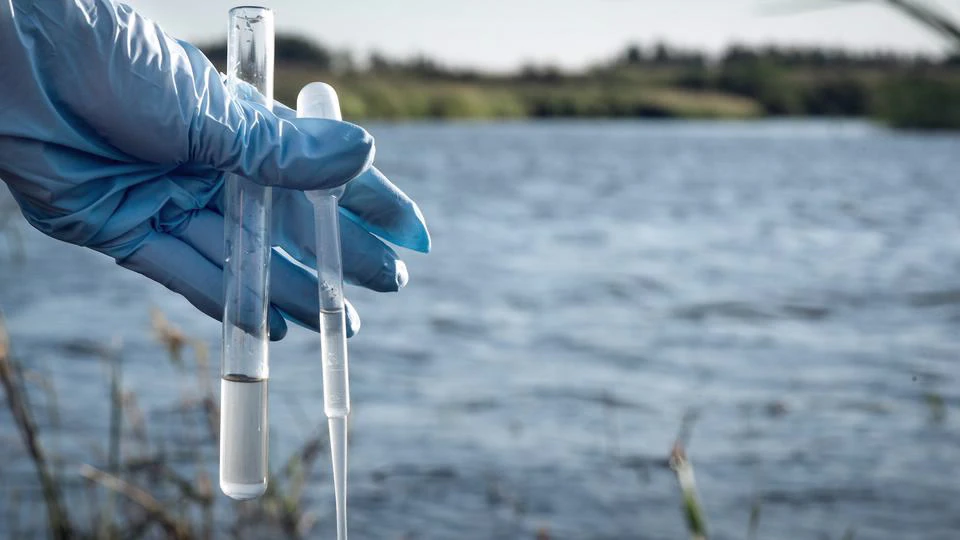
- Collection: Proper sampling is crucial. Certain contaminants require “first-draw” samples (water that has sat in pipes overnight), while others require “flushed” samples.
- Chain of Custody: To ensure the integrity of the results, labs maintain a strict chain of custody, documenting every individual who handles the sample from the moment it is collected until it is analyzed.
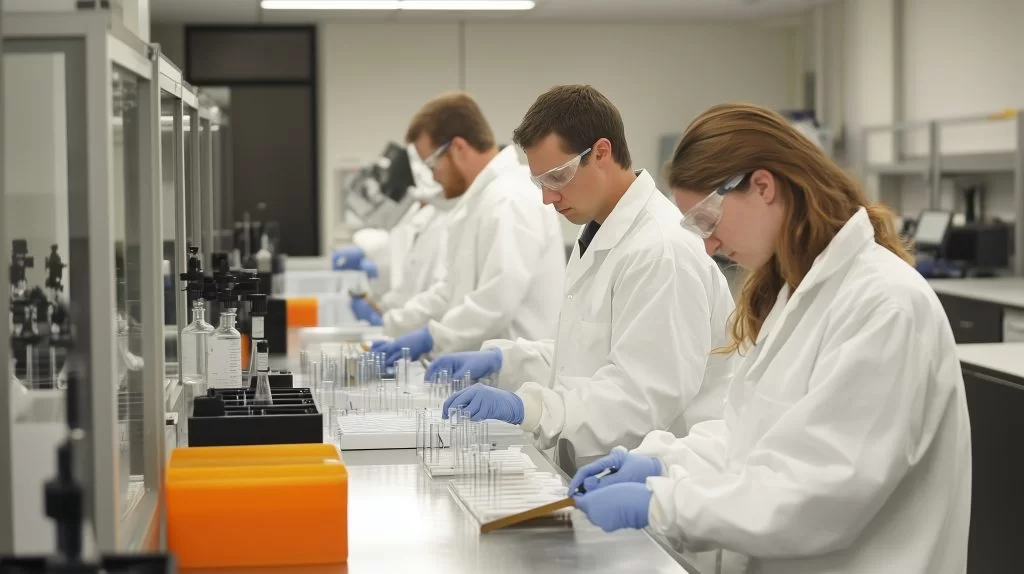
- Analysis: Using advanced equipment like Inductively Coupled Plasma Mass Spectrometry (ICP-MS) for metals or specialized culture media for bacteria, technicians quantify the presence of contaminants.
- Reporting: The final report compares findings against the EPA’s National Primary Drinking Water Regulations and local health department standards.
For many property owners, the technicality of these reports can be overwhelming. This is why many turn to the FAQ section of testing providers to translate parts-per-million into actionable information.
Protecting Vulnerable Populations
The role of certified labs extends deep into the social fabric of New York. Daycare centers, schools, and healthcare facilities are required by state law to perform recurring lead and water quality tests. Because children and the elderly are more susceptible to waterborne illnesses and heavy metal toxicity, the precision of a certified lab is a vital line of defense.
By identifying issues early, these labs allow for the installation of targeted filtration systems or the replacement of faulty plumbing before a health crisis occurs. In this way, the testing landscape is not just about “checking boxes” for compliance; it is about proactive risk management for the city’s most vulnerable residents.
The Future of NYC Water Testing
As we look toward the future, the NYC testing landscape is evolving to address emerging contaminants like PFAS (per- and polyfluoroalkyl substances). While the DEP has been proactive in monitoring for these “forever chemicals” at the source, certified laboratories are increasingly being called upon by private businesses and concerned citizens to verify the absence of these compounds at the point of use.
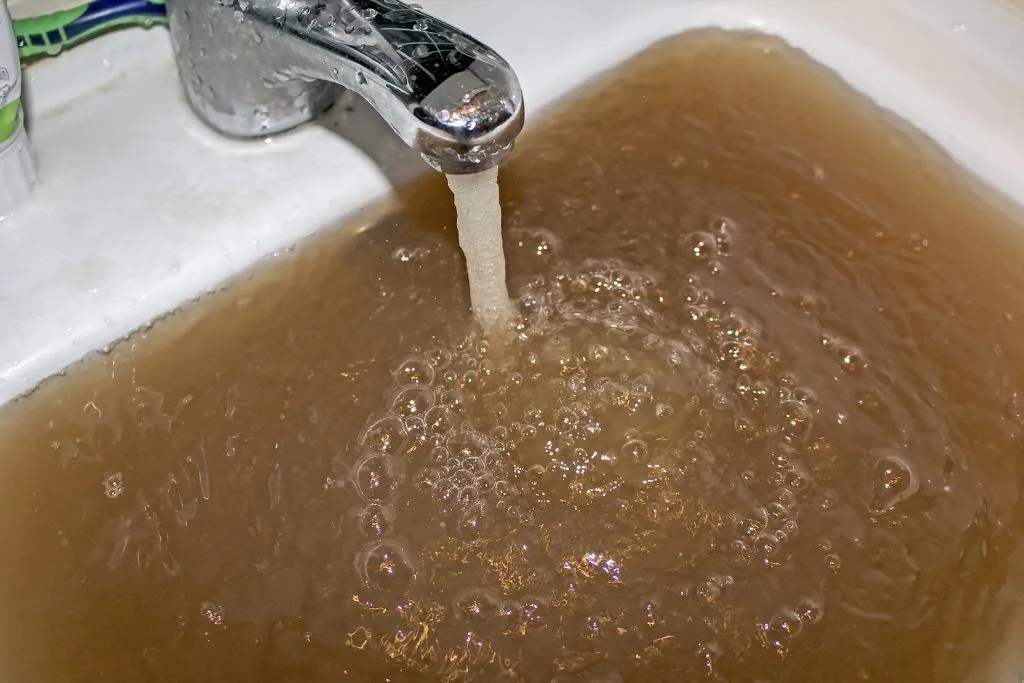
Furthermore, as NYC continues to densify, the strain on the infrastructure increases the risk of water main breaks and pressure fluctuations, which can lead to sediment intrusion. Certified labs will remain the sentinels of the system, providing the data necessary to navigate an increasingly complex environmental landscape.
Conclusion
The vastness of New York City means that water safety cannot be a centralized effort alone. It requires a decentralized network of experts, technicians, and scientists working in certified facilities to monitor the millions of endpoints where the public interacts with water.
From ensuring that a small coffee shop in Manhattan is serving safe beverages to helping a large-scale industrial plant in Queens meet its environmental obligations, certified water laboratories are the silent partners in NYC’s success. They provide the transparency, accuracy, and local expertise needed to keep the city’s water—our most precious resource—safe for everyone.
If you have questions about the safety of your building’s water or need to meet regulatory requirements for a new project, the best first step is to contact us or explore our blog for the latest updates on NYC water quality standards and testing protocols. Keeping New York’s water safe is a collective effort, and it starts with the precision of a certified test.