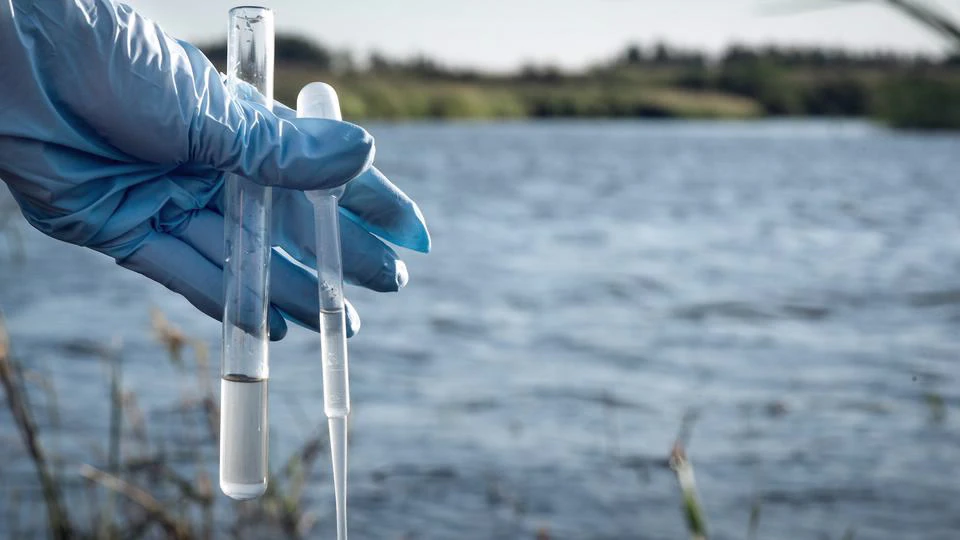
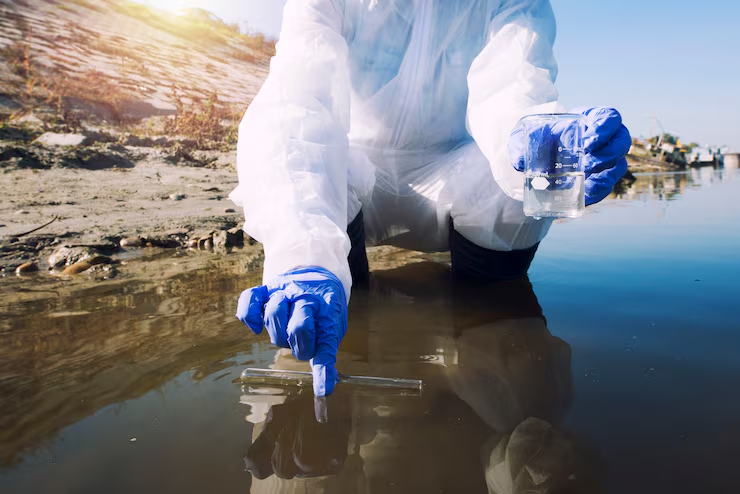
Water testing companies NYC are at the center of a fundamental shift in how the city approaches its most vital utility. Historically, water testing was a “check-the-box” activity performed annually or after a major repair. However, in 2026, professional water testing is expanding into a continuous, data-driven discipline.
Driven by new federal mandates and local laws, the city’s leading residential and commercial portfolios are moving toward a model of “total water awareness.” Testing is no longer just about compliance; it is about risk mitigation, asset preservation, and meeting the heightened transparency expectations of a modern tenant base.
The 2026 Regulatory Drivers
The expansion of testing services is being propelled by two major regulatory milestones that have redefined the standard for “safety” in NYC.
1. Local Law 159: The New Legionella Standard
Starting in May 2026, Local Law 159 has dramatically increased the oversight of cooling towers. The previous quarterly testing requirement has been replaced by mandatory monthly culture testing during periods of operation. This shift reflects a broader NYC Health Department strategy to move from reactive investigations to proactive microbiological management, forcing building engineers to maintain a much higher “resolution” of data regarding their water health.
2. The Lead and Copper Rule Improvements (LCRI)
On the federal level, the EPA’s LCRI has shifted the “action level” for lead from $15\text{ ppb}$ down to $10\text{ ppb}$. For older locations in Brooklyn and the Bronx, this lower threshold has sparked a surge in baseline testing as owners scramble to identify and replace lead service lines within the new 10-year federally mandated window.
The “Total Water Awareness” Model
Professional testing is no longer confined to the lobby tap. Leading water testing services are now implementing multi-point programs that cover the entire building lifecycle:
- Emerging Contaminant Screening: With the EPA setting enforceable limits for PFAS (forever chemicals) at $4.0\text{ ppt}$, newer developments are incorporating these scans into their certified baseline to ensure their modern filtration systems are performing as advertised.
- HVAC Loop Analysis: Beyond health concerns, commercial owners are expanding testing to include closed-loop heating and cooling systems. By monitoring for iron and corrosion indicators, they are protecting millions of dollars in mechanical infrastructure.
- Tenant-Specific Mapping: For mixed-use properties, mapping water quality across different zones—retail, medical, and residential—is becoming a standard practice to prevent cross-contamination and ensure specialized equipment longevity.
Data as a Professional Asset
In 2026, the value of water testing lies in the archive. Professional managers are moving away from paper logs and toward digital water management plans.
This expansion allows owners to:
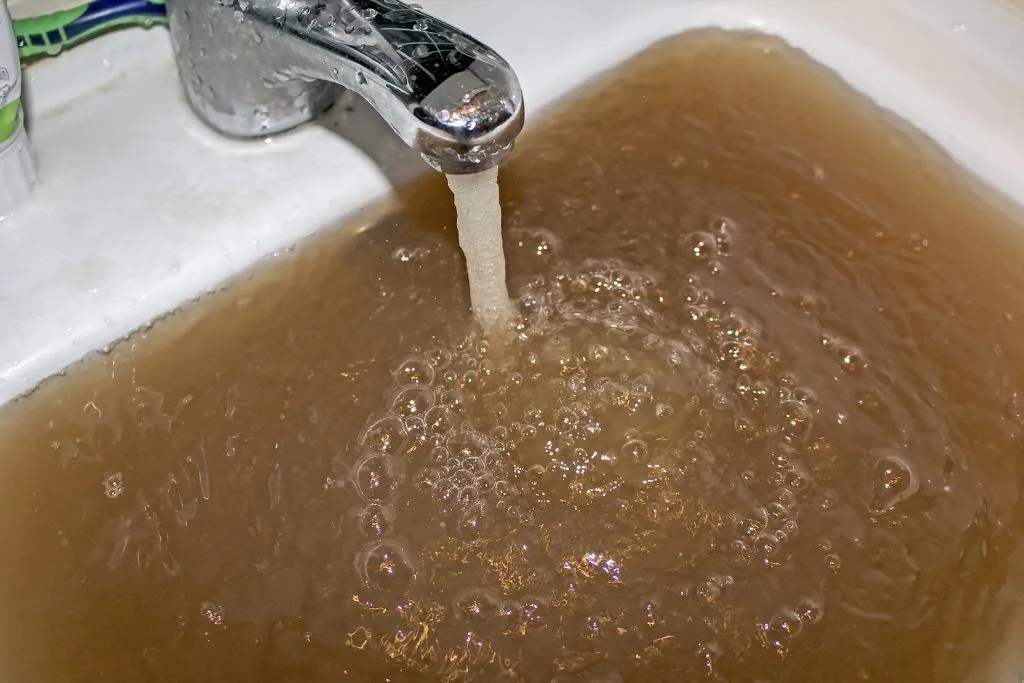
- Defend Against Claims: Having a multi-year archive of certified records is the strongest defense against litigation or brown water complaints.
- Optimize Chemical Feed: Real-time data from HPC results and chlorine residual tracking allows for the precise dosing of biocides, reducing chemical costs and pipe wear.
- Facilitate Transactions: In the NYC real estate market, a “clean” water data history is becoming as vital to the due diligence process as an Phase I Environmental Site Assessment.
Conclusion: The New Standard for 2026
Professional water testing is no longer an isolated event; it is an ongoing operational strategy. As NYC infrastructure continues to age and regulations continue to tighten, the buildings that thrive will be those that treat water quality as a data-driven priority.
Whether you are managing a landmarked Manhattan tower or a new development in Queens, the expansion of testing services provides the intelligence needed to operate with confidence. Explore our borough-specific water guides to see how these trends are impacting your neighborhood, or contact us to integrate a modern testing program into your property’s management plan.