New York City’s water system is a marvel of civil engineering, a sprawling network that delivers over one billion gallons of drinking water to millions of residents every single day. While the Department of Environmental Protection (DEP) performs rigorous monitoring at the source, the journey from the water main to a kitchen faucet is fraught with variables.
In a city defined by its dense infrastructure and aging buildings, the role of independent, certified water laboratories is not just supplemental—it is foundational to public health. These facilities serve as the analytical backbone for property owners, construction firms, and environmental consultants, ensuring that the water flowing through private plumbing remains as safe as the day it left the reservoir.
The Critical Role of Certification in NYC Water Testing
When we talk about “certified” laboratories, we are referring to facilities that have undergone rigorous accreditation by the New York State Department of Health (NYSDOH) Environmental Laboratory Approval Program (ELAP). In NYC, certification isn’t just a badge of honor; it is a legal and safety requirement for many types of regulatory compliance.
Certified labs are required to follow standardized EPA and state-mandated methods for detecting contaminants. Whether testing for lead, copper, Legionella, or volatile organic compounds (VOCs), these labs provide the data-driven certainty that NYC’s complex NYC infrastructure requires. Without this specialized oversight, the data used to make decisions about building safety would be unreliable.
Staten Island Homes Still Benefit From Certified Drinking Water Analysis
While often characterized by its suburban feel compared to the other boroughs, Staten Island possesses a unique plumbing profile that makes certified drinking water analysis essential for homeowners. From the historic homes of St. George to the newer developments in Tottenville, the “Borough of Parks” faces specific water quality challenges.
Private Infrastructure and Localized Risks
Many Staten Island residences are detached single-family homes, meaning the responsibility for the service line—the pipe connecting the city water main to the house—falls squarely on the homeowner. Because many neighborhoods were developed during eras where lead pipes or lead-based solder were standard, a house-by-house analysis is often the only way to ensure safety.
A certified lab provides the precision needed to distinguish between a city-wide issue and a localized plumbing problem. For Staten Islanders, this means the difference between an unnecessary whole-house filtration expense and a targeted fix for a specific fixture.
Coastal Considerations and Groundwater History
Staten Island’s geography also plays a role. In coastal areas, fluctuating water tables and aging underground infrastructure can occasionally lead to issues with sediment or even salt intrusion during extreme weather events. Furthermore, for the small number of properties that may still have historical ties to well water or are located near former industrial sites, testing for a broader range of chemicals—including VOCs and PFAS—is a common request that only a certified water testing services provider can accurately fulfill.
Queens: Residential Buildings Present a Wide Range of Water Quality Conditions
The borough of Queens illustrates why a “one size fits all” approach to water monitoring doesn’t work. As the largest borough by land area, Queens features a diverse housing stock that ranges from high-rise luxury apartments to century-old detached homes.
- High-Rise Challenges: In taller buildings, water must be pumped to rooftop storage tanks. If not maintained, these can accumulate sediment or bacteria. Certified labs help managers stay compliant with NYC health codes via regular bacteriological sweeps.
- Older Housing: For pre-war homes, the primary concern is the legacy of lead service lines. In these residential settings, water quality is highly localized; one house may have upgraded plumbing while the neighbor still has original lines.
Bronx Apartment Buildings Often Need More Than a Single Water Sample
The Bronx is home to historic developments where the sheer scale of buildings creates a unique logistical challenge. In a large Bronx multi-family building, water travels through a massive internal network of risers.
A single sample taken from the lobby is rarely representative of the entire building. Certified laboratories often recommend multi-point sampling to ensure that potential issues—such as a corroded pipe on a high floor or a stagnant branch in a vacant wing—are identified rather than being overlooked.
Heavy Metals Testing Still Drives Some of the Most Important Water Decisions
Despite the rise of modern chemical concerns, heavy metals testing remains a critical diagnostic tool. Metals like lead, copper, and mercury are “invisible” threats—they don’t change the color or taste of the water, yet their presence can lead to significant health complications.
In NYC, where many schools and daycare centers operate in vintage buildings, heavy metals testing is the primary driver for remediation decisions. When a certified lab detects lead levels above the EPA Action Level, it triggers an immediate response: shutting down fountains or installing specialized filtration.
Water Quality Consultants Bring Structure to Complicated Testing Results
Raw data from a laboratory can be daunting. A lab report might list dozens of parameters like pH, turbidity, and parts per billion (ppb) of various metals. This is where Water Quality Consultants provide essential value.
Consultants act as the bridge between the lab and the end-user. They take technical findings and translate them into a clear narrative. They also ensure that testing protocols meet the specific requirements of the New York City Department of Health or the Department of Buildings, especially for commercial mandates like Local Law 77.
Local Expertise: Why Regional Labs Matter
NYC’s water chemistry is unique. By referencing specific borough water guides, laboratories and consultants can help property owners understand the specific risks of their neighborhood. Whether dealing with saline intrusion in coastal Staten Island or industrial runoff risks in pockets of Brooklyn, local expertise provides a layer of context that national “mail-in” kits simply cannot match.
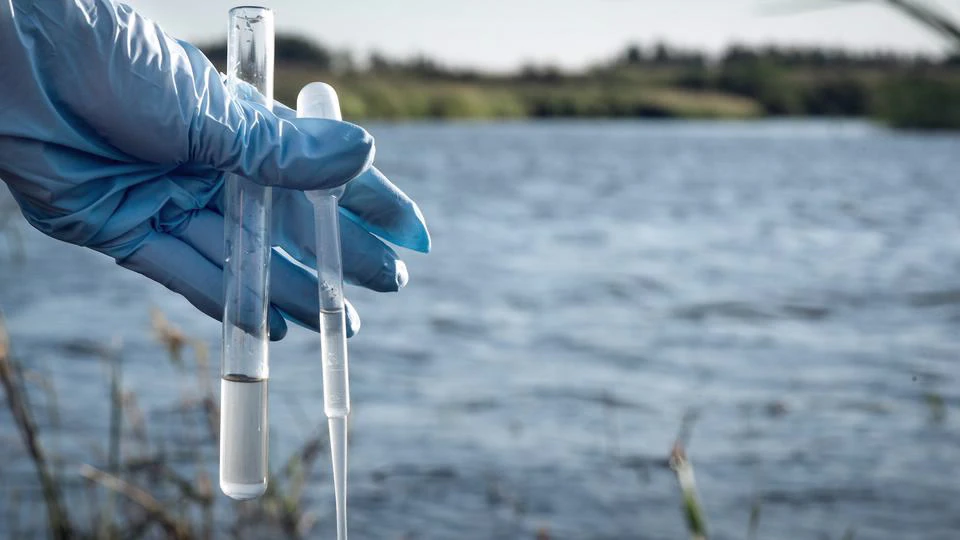
The Process: From Tap to Result
When a client engages with a lab at a specific location, the process follows a strict scientific path:
- Collection: Proper sampling is crucial (first-draw vs. flushed).
- Chain of Custody: Documenting the sample’s journey to ensure legal defensibility.
- Analysis: Utilizing technologies like ICP-MS to detect contaminants at infinitesimal levels.
- Reporting: Comparing findings against federal and local health department standards.
For many property owners, the technicality of these reports can still be overwhelming, which is why the FAQ section of testing providers is a popular resource for quick answers.
Conclusion
The vastness of New York City means that water safety cannot be a centralized effort alone. It requires a decentralized network of experts, consultants, and scientists working in certified facilities to monitor the millions of endpoints where the public interacts with water.
From the specific needs of Staten Island homeowners to the multi-point sampling required in Bronx apartment buildings, certified water laboratories are the silent partners in NYC’s success. They provide the transparency, accuracy, and local expertise needed to keep our most precious resource safe for everyone.
If you have questions about the safety of your building’s water, the best first step is to contact us or explore our blog for the latest updates on NYC water quality standards. Keeping New York’s water safe is a collective effort, and it starts with a certified test.