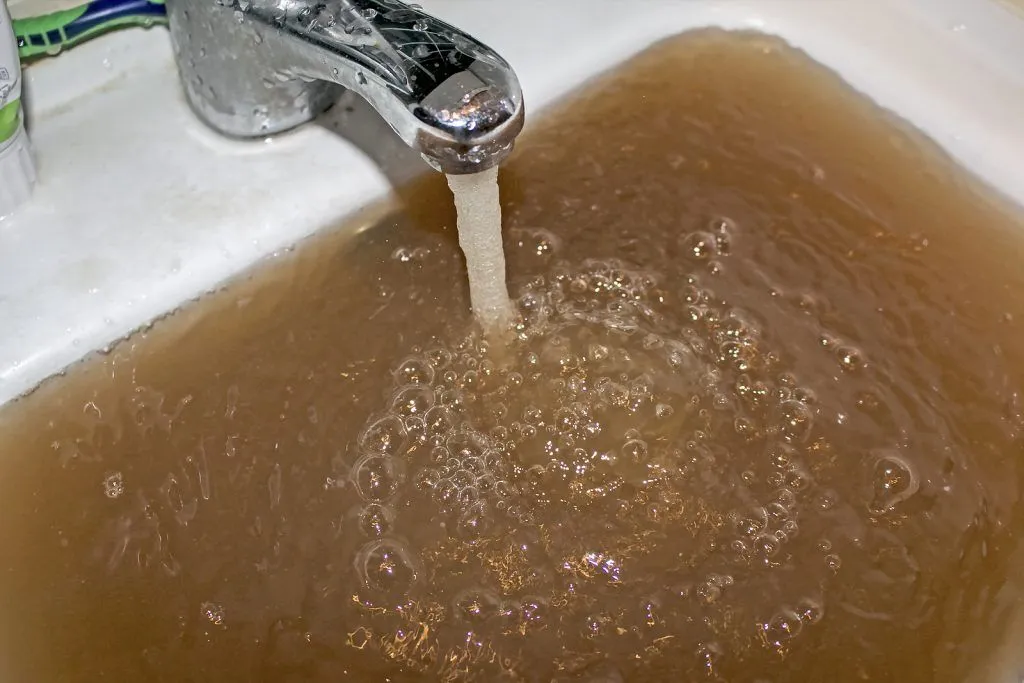
New York City’s water system is a marvel of civil engineering, a sprawling network that delivers over one billion gallons of drinking water to millions of residents and thousands of businesses every single day. While the Department of Environmental Protection (DEP) performs rigorous monitoring at the source, the journey from the water main to a kitchen faucet or a commercial cooling tower is fraught with variables.
In a city defined by its dense infrastructure and aging buildings, the role of independent, certified water laboratories is not just supplemental—it is foundational to public health and operational efficiency. These facilities serve as the analytical backbone for property owners, construction firms, and environmental consultants, ensuring that the water flowing through private plumbing remains as safe as the day it left the reservoir.
The Critical Role of Certification in NYC Water Testing
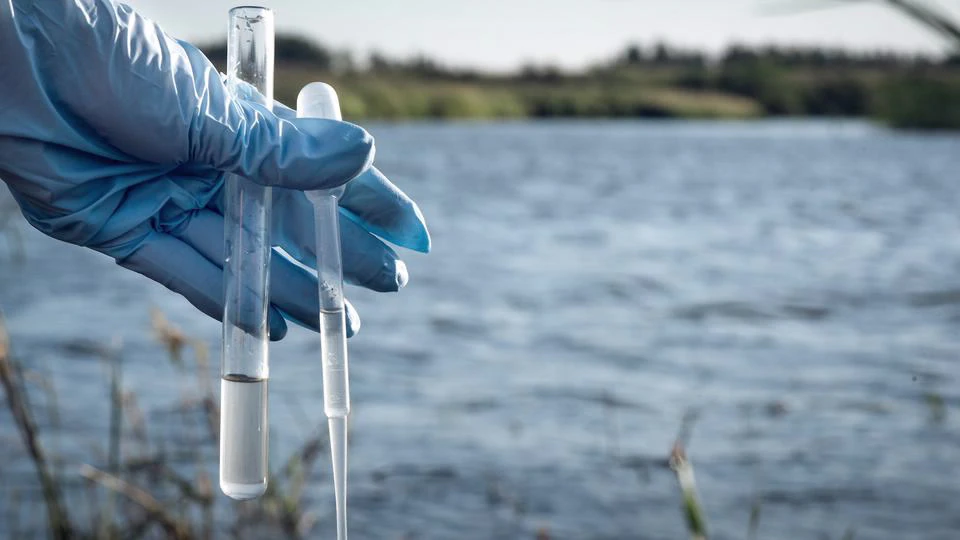
When we talk about “certified” laboratories, we are referring to facilities that have undergone rigorous accreditation by the New York State Department of Health (NYSDOH) Environmental Laboratory Approval Program (ELAP). In NYC, certification isn’t just a badge of honor; it is a legal and safety requirement for many types of regulatory compliance.
Certified labs are required to follow standardized EPA and state-mandated methods for detecting contaminants. Whether testing for lead, copper, Legionella, or volatile organic compounds (VOCs), these labs provide the data-driven certainty that NYC’s complex NYC infrastructure requires. Without this specialized oversight, the data used to make decisions about building safety would be unreliable.
Certified Laboratory Procedures Still Matter More Than Most People Realize
In an era of DIY kits and instant-read strips, the rigorous protocols of a certified laboratory can seem like “overkill” to the uninitiated. However, in the high-stakes environment of New York City, certified laboratory procedures provide a level of scientific and legal integrity that a home test simply cannot match.
The Precision of Standardized Methods
A DIY test might tell you if lead is “present,” but it cannot tell you the exact concentration with the parts-per-billion (ppb) accuracy required for health decisions. Certified labs use advanced instrumentation like Inductively Coupled Plasma Mass Spectrometry (ICP-MS) and follow strictly validated EPA methods. In 2026, as regulations for PFAS and heavy metals tighten, this precision is the difference between a safe building and a significant liability.
The Legal Defensibility of Chain of Custody
One of the most overlooked procedures is the Chain of Custody (COC). This is a documented, unbroken record of who handled a sample from the moment it left the tap until the moment it was analyzed. For a building owner facing a tenant dispute or a government audit, a certified lab report backed by a proper COC is a legal shield. It proves that the sample was not tampered with, was kept at the correct temperature, and was analyzed within the required regulatory “holding time.”
Environmental Controls and Sterile Quality
Certified labs must maintain strictly controlled environments to prevent cross-contamination. Under the latest 2026 NYS Clinical Laboratory Standards, facilities must monitor biological sterility, dust levels, and even sound and vibration to ensure equipment remains calibrated. This level of environmental control ensures that when a lab reports a “positive” result for Legionella or bacteria, it is a reflection of the building’s water, not a contamination event within the lab itself.
Healthcare Facilities Need Programs Built for Complex Use
Hospitals and nursing homes are high-risk environments where water quality is a life-safety issue.
- May 2026 Mandates: Under Local Law 159, cooling tower testing in healthcare facilities has shifted to a monthly schedule. Certified labs provide the rapid turnaround needed to meet these tighter deadlines.
- Pathogen Screening: Programs now go beyond the basics to screen for Pseudomonas and other opportunistic pathogens that threaten immunocompromised patients.
Potability Panels Offer a Broader View
While lead tests are common, they are only one diagnostic tool. Potability Panels provide a holistic view of building health.
- Diagnostic Power: By combining data on pH, turbidity, and mineral content, water quality consultants can determine why a metal is leaching (e.g., due to aggressive water chemistry) rather than just identifying its presence.
- Interconnected Markers: These panels identify aesthetic issues (tastes/odors) and infrastructure risks (scaling) alongside primary health contaminants.
Queens Apartment Renovations Shift Water Conditions
Queens is seeing a surge in renovations that can quietly compromise water quality.
- Physical Disturbances: Tearing out walls and pipes can dislodge old mineral scale and lead particles. Labs recommend post-renovation testing to establish a new safe baseline.
- Galvanic Action: Mixing new copper with old galvanized pipes can accelerate corrosion. Certified locations-based testing identifies these risks before they lead to leaks.
Manhattan Mixed-Use Buildings Need Smarter Scopes
Vertical buildings housing residents, offices, and retail need specialized water testing services.
- Stagnation Risks: Office floors may have “dead legs” in plumbing during weekends, while residential floors have constant flow. Smarter scopes sample from multiple points to account for these usage differences.
- Regulatory Alignment: Labs help managers coordinate cooling tower laws and residential safety standards into one manageable program.
PFAS Analysis Has Moved Into the Mainstream
PFAS analysis is no longer “niche.” With 2026 federal MCLs set at 4 ppt, certified labs are essential for detecting these “forever chemicals” at ultra-low levels. This is a core requirement for modern co-op boards and property managers aiming for wellness standards.
Water Quality Consultants Bring Structure to Complicated Results
A lab report is only as good as its interpretation. Water Quality Consultants act as the bridge, turning raw data into actionable strategies. They ensure that all protocols meet NYC Department of Health requirements and help owners navigate our borough water guides.
The Process: From Tap to Result
- Collection: Proper sampling (first-draw vs. flushed) is required for ELAP compliance.
- Logistics: The Chain of Custody ensures the sample’s journey is documented and defensible.
- Analysis: Standardized EPA methods are used in controlled environments.
- Reporting: Results are compared against current 2026 standards, often found in our FAQ section.
Conclusion
The vastness of New York City means that water safety cannot be a centralized effort alone. It requires a decentralized network of experts and scientists working in certified facilities to monitor the millions of endpoints where the public interacts with water.
From the rigorous laboratory procedures that ensure data integrity to the complex needs of healthcare and mixed-use towers, certified water laboratories are the silent partners in NYC’s success. They provide the transparency, accuracy, and local expertise needed to keep our most precious resource safe for everyone.
If you have questions about the safety of your building’s water, the best first step is to contact us or explore our blog for the latest updates on NYC water quality standards. Keeping New York’s water safe is a collective effort, and it starts with a certified test.