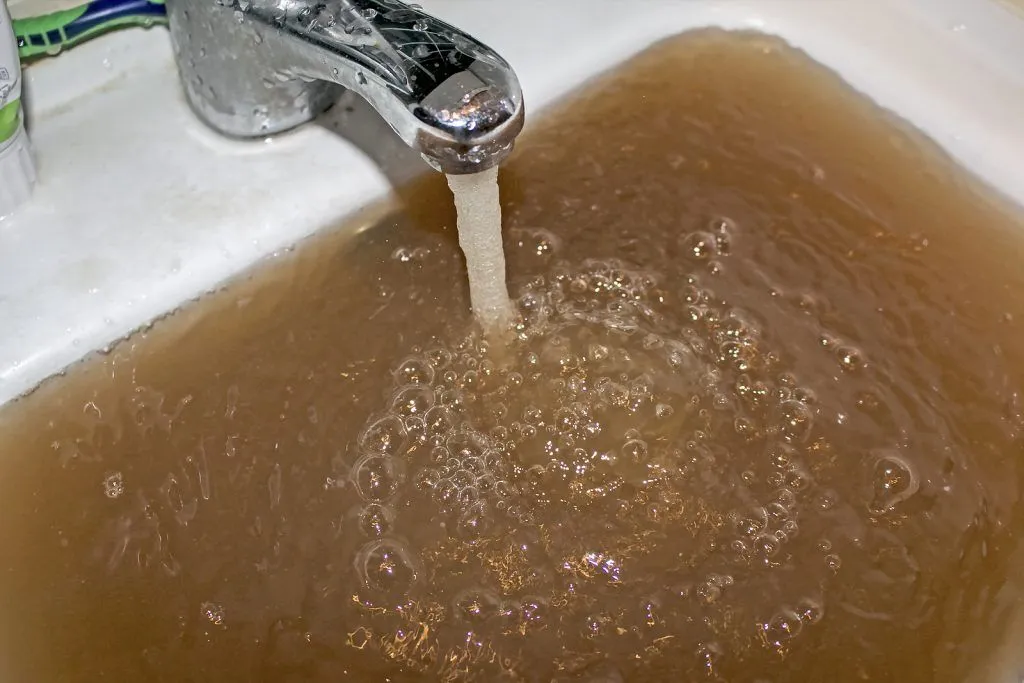
When a tenant or employee reports “rusty” or brown water, the immediate reaction is often a cosmetic one. We think about the aesthetics of the water, the staining of porcelain fixtures, or the metallic tang that ruins a morning coffee. However, for those managing properties in the five boroughs, iron and corrosion findings are more than just a nuisance—they are a diagnostic window into the health of an entire building.
In the world of NYC infrastructure, brown water is rarely an isolated incident. It is the visible symptom of a deeper, more complex internal plumbing issue that can impact everything from structural integrity to the presence of dangerous pathogens.
What Corrosion Is Actually Telling You
Corrosion is the gradual destruction of materials (usually metals) by chemical or electrochemical reaction with their environment. When you see elevated iron levels in a lab report, it is essentially the “check engine light” for your building’s pipes.
1. The Breakdown of Protective Coatings
Most modern pipes are galvanized or treated with a protective lining to prevent water from coming into direct contact with the metal. High iron levels often indicate that these linings have failed. Once the barrier is gone, the rate of pipe degradation accelerates exponentially, leading to pinhole leaks and eventual pipe failure.
2. A Breeding Ground for Bacteria
This is perhaps the most overlooked aspect of corrosion. Corroded pipes are not smooth; they are pitted, scaled, and tuberculated. This rough interior surface provides the perfect “anchor” for biofilm—a slimy layer of microorganisms that protects bacteria from chlorine and other disinfectants.
Specifically, iron-rich environments are conducive to the growth of:
- Legionella: These bacteria can hide within the scale and sediment created by corrosion, making it nearly impossible to eradicate through simple flushing.
- Iron-Related Bacteria (IRB): While not typically harmful to humans, these bacteria accelerate the corrosion process itself, creating a destructive feedback loop.
3. Presence of Other Heavy Metals
Iron is rarely the only metal involved. If the iron is coming from the breakdown of galvanized steel pipes, it is highly likely that lead or cadmium—which were often used in the galvanizing process in older NYC buildings—are also leaching into the water. In this sense, brown water is a red flag that more toxic contaminants may be present but invisible.
Why NYC Buildings Are Particularly Vulnerable
New York City’s water is “soft” and slightly acidic. While this makes it great for leather tanning and bagel making, it is naturally corrosive to metal. Without the careful addition of corrosion inhibitors by the city, our pipes would dissolve much faster.
However, once that water enters a private building, variables change. Factors that trigger localized corrosion in NYC locations include:
- Dissimilar Metals: Connecting a copper pipe directly to a galvanized iron pipe creates a “galvanic cell,” where the iron pipe acts as an anode and corrodes rapidly at the point of connection.
- Stagnation: In buildings with low occupancy or seasonal usage, water sits still. This allows oxygen and chemicals to react with the pipe walls over long periods, leading to “slugs” of rusty water when the tap is finally turned on.
- High Temperatures: In many Brooklyn and Manhattan residential buildings, domestic hot water systems are kept at high temperatures, which naturally speeds up chemical reactions and corrosion.
Moving Beyond the “Flushing” Quick Fix
The standard response to brown water is to “flush the lines” until the water runs clear. While this solves the immediate aesthetic problem, it does nothing to address the underlying intelligence provided by the corrosion.
A sophisticated water testing service doesn’t just look for iron; it looks at the Langelier Saturation Index (LSI) or the Ryznar Stability Index (RSI). These metrics tell a property manager whether their water is “scale-forming” or “corrosive.”
By understanding the chemistry, a manager can decide on long-term solutions, such as:
- Installing a centralized phosphate injection system to coat the pipes.
- Adjusting the pH of the building’s internal water supply.
- Targeting specific “dead legs” in the plumbing for removal.
The Strategic Advantage of Intelligence
For property managers and building owners, iron and corrosion findings should be treated as a strategic asset.
If you are planning a capital improvement project, knowing the internal state of your pipes is essential. There is no point in upgrading to high-end fixtures if the water flowing to them will ruin them within six months. Furthermore, having a documented history of corrosion management is a powerful tool during building inspections or when negotiating insurance premiums.
If your building is experiencing recurring “brown water” issues, it’s time to look deeper than the surface. Check our FAQ for more on how we analyze pipe health, or explore our borough-specific guides to see how local history impacts your water today.
Don’t just clear the water—understand what it’s trying to tell you about your building’s future.