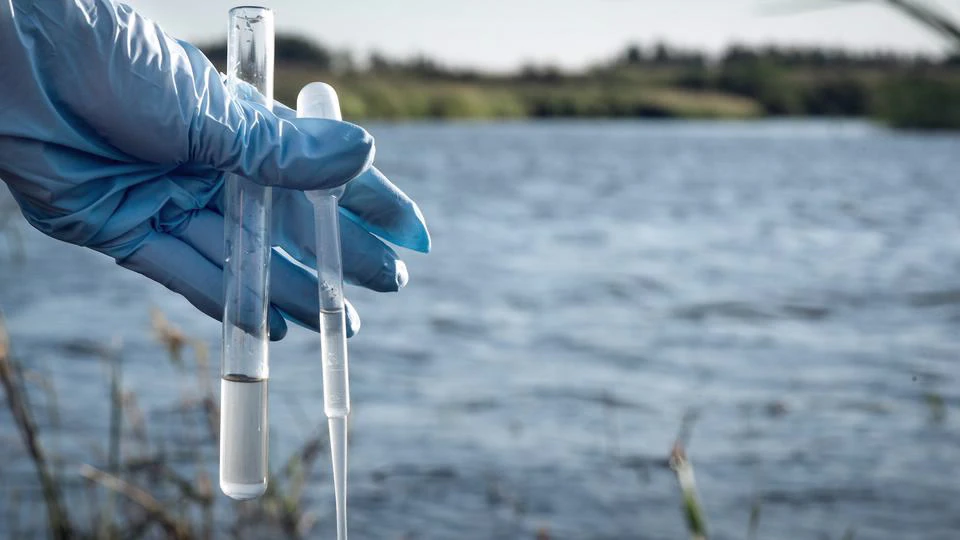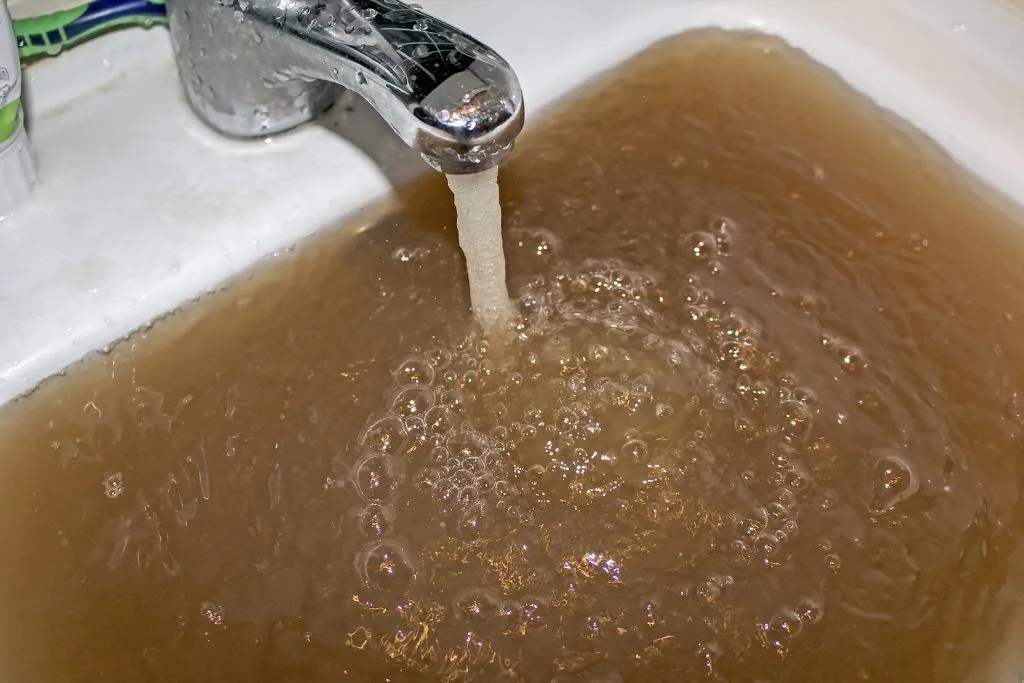
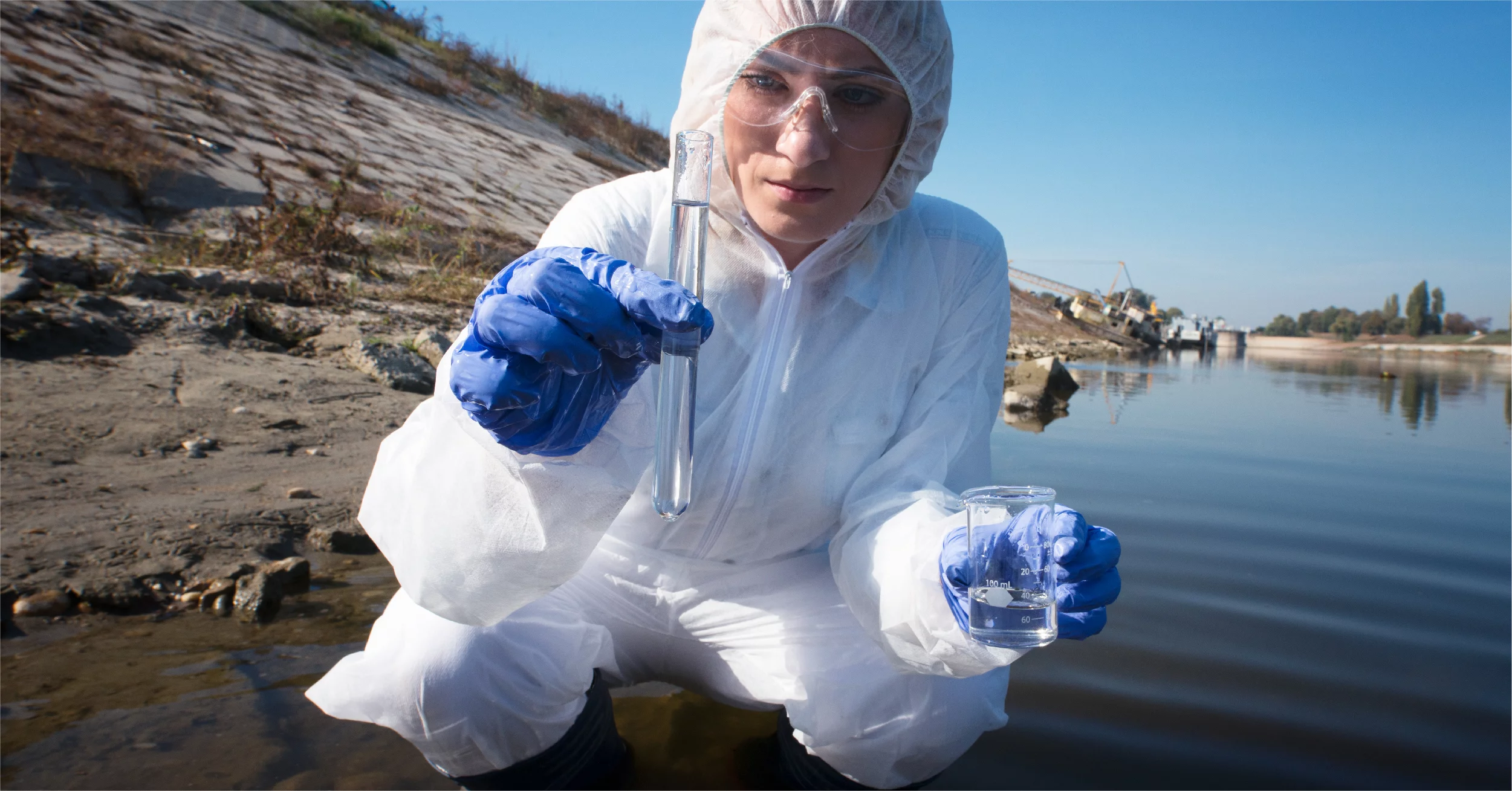
In a city defined by its dense infrastructure and aging buildings, the role of independent, water testing laboratories Brooklyn is not just supplemental—it is foundational to public health and operational efficiency. These facilities serve as the analytical backbone for property owners, construction firms, and environmental consultants, ensuring that the water flowing through private plumbing remains as safe as the day it left the reservoir.
New York City’s water system is a marvel of civil engineering, a sprawling network that delivers over one billion gallons of drinking water to millions of residents and thousands of businesses every single day. While the Department of Environmental Protection (DEP) performs rigorous monitoring at the source, the journey from the water main to a kitchen faucet or a commercial cooling tower is fraught with variables.
The Critical Role of Certification in NYC Water Testing
When we talk about “certified” laboratories, we are referring to facilities that have undergone rigorous accreditation by the New York State Department of Health (NYSDOH) Environmental Laboratory Approval Program (ELAP). In NYC, certification isn’t just a badge of honor; it is a legal and safety requirement for many types of regulatory compliance.
Certified labs are required to follow standardized EPA and state-mandated methods for detecting contaminants. Whether testing for lead, copper, Legionella, or volatile organic compounds (VOCs), these labs provide the data-driven certainty that NYC’s complex NYC infrastructure requires. Without this specialized oversight, the data used to make decisions about building safety would be unreliable.
Brooklyn Commercial Properties Are Taking Water Quality More Seriously
Brooklyn has undergone a massive industrial and commercial transformation over the last decade. From the tech hubs in the Brooklyn Navy Yard to the luxury retail corridors of Williamsburg and the sprawling warehouses of Sunset Park, Brooklyn commercial properties are increasingly prioritizing sophisticated water quality monitoring.
Industrial Reuse and Environmental Legacies
Many of Brooklyn’s most popular commercial spaces are located in repurposed industrial buildings. While these structures offer iconic aesthetics, they often come with complex “legacy” plumbing. Property managers in neighborhoods like Bushwick or Red Hook are taking water quality more seriously by testing for a wider range of heavy metals and industrial byproducts that may have lingered in the building’s internal systems. By utilizing certified water testing services, these owners can guarantee a safe environment for creative studios and modern offices alike.
The Rise of Food and Beverage Manufacturing
Brooklyn is a world-renowned hub for artisanal food and beverage production. For breweries, commercial kitchens, and coffee roasters, water isn’t just a utility—it’s a primary ingredient. These businesses require highly specific water profiles to ensure product consistency and safety. Local certified labs help these commercial tenants monitor for even minute levels of chlorine, minerals, or microbial activity that could affect their output, ensuring that Brooklyn-made products remain top-tier.
Residential Water Testing Services Are Expanding Across New York City
As we move through 2026, residential testing is seeing an unprecedented expansion across the five boroughs. This growth is driven by a combination of new regulatory mandates and a heightened public focus on “forever chemicals.”
- The Proactive Homeowner: Residents are increasingly seeking comprehensive analysis as part of routine maintenance or prior to signing a new lease.
- Digital Integration: Many labs now offer streamlined portals that allow residents to order kits and track their samples through the chain of custody directly from their smartphones.
Upper Manhattan Residential Communities Show the Importance of Building-Specific Testing
Upper Manhattan features a distinct architectural tapestry where city-wide reports aren’t enough. In these areas, building-specific testing is the only way to get a true picture of water quality.
- Legacy Plumbing: Historic pre-war walk-ups may have localized lead issues that do not reflect the neighborhood’s general supply.
- Rooftop Gravity Tanks: Testing ensures these essential storage systems are free from sediment or bacterial growth, a vital check for residents in Washington Heights and Inwood.
PFAS Analysis Has Moved Into the Mainstream of Urban Water Testing
PFAS (per- and polyfluoroalkyl substances) analysis is now a mainstream component of urban safety. With new 2026 federal MCLs set at 4 ppt, certified labs have seen a surge in requests from residential co-ops. This high-sensitivity analysis helps owners determine if point-of-entry filtration is necessary to meet modern health-based goals.
Commercial Buildings Across NYC Need Better Water Quality Intelligence
In the commercial sector, “compliance” is the floor, not the ceiling. Property managers now seek water quality intelligence to protect their assets.
- Asset Protection: Detailed lab data helps engineers prevent scaling and corrosion in boiler systems, protecting the building’s core NYC infrastructure.
- Tenant Wellness: Class-A landlords use documented results from various locations to provide tenants with the transparency they now expect regarding drinking water safety.
Bacteria Testing Belongs in More NYC Water Quality Programs
Bacteria testing is no longer just for cooling towers. Microbiological monitoring is becoming a standard feature of holistic building safety.
- Local Law 159: 2026 mandates have intensified Legionella culture testing, moving toward monthly monitoring for many systems to catch blooms early.
- Potable Safety: Bacteria testing serves as a “canary in the coal mine” for plumbing integrity, identifying potential backflow incidents or tank contamination.
Water Quality Consultants Bring Structure to Complicated Results
Raw data from a lab can be overwhelming. Water Quality Consultants act as a bridge, translating technical findings into clear narratives. They ensure that testing protocols meet the specific requirements of the NYC Department of Health and help develop long-term mitigation strategies based on local borough water guides.
The Process: From Tap to Result
When you engage with a certified lab, the process follows a strict scientific path:
- Collection: Proper sampling (first-draw vs. flushed) is the foundation of accuracy.
- Chain of Custody: Documenting the sample’s journey to ensure legal defensibility.
- Analysis: Utilizing advanced technologies like LC-MS/MS and ICP-MS.
- Reporting: Comparing findings against the most current 2026 federal and local health standards.
For quick answers regarding common contaminants or testing frequencies, the FAQ section is an invaluable resource for property owners.
Conclusion
The vastness of New York City means that water safety cannot be a centralized effort alone. It requires a decentralized network of experts and scientists working in certified facilities to monitor the millions of endpoints where the public interacts with water.
From the specific needs of Brooklyn’s commercial corridors to the building-specific requirements in Upper Manhattan, certified water laboratories are the silent partners in NYC’s success. They provide the transparency, accuracy, and local expertise needed to keep our most precious resource safe for everyone.
If you have questions about the safety of your building’s water, the best first step is to contact us or explore our blog for the latest updates on NYC water quality standards. Keeping New York’s water safe is a collective effort, and it starts with a certified test.