
For a restaurateur in New York City, every detail is curated. From the ambient lighting in a Boerum Hill bistro to the precise sear on a steak in Long Island City, nothing is left to chance. Yet, one of the most used ingredients in any kitchen often goes unexamined: the water.
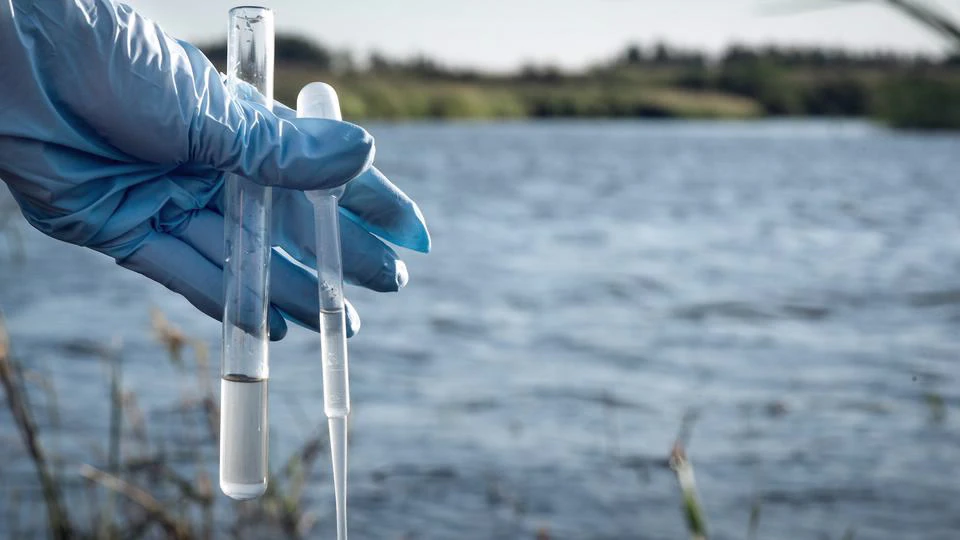
Many owners assume that because NYC water is “high quality,” it is inherently ready for the high-stakes environment of a professional kitchen. However, tap water is a variable, not a constant. For a restaurant, water is a critical component of food safety, flavor consistency, and mechanical longevity. A comprehensive water testing service reveals that water quality impacts almost every aspect of the “back of house” and “front of house” operations.
The Invisible Ingredient in Flavor Profiles
Water is the primary ingredient in soups, stocks, sauces, and doughs. If your water has a high mineral content or residual chlorine odors, it doesn’t just disappear during the cooking process—it concentrates.
The Science of the Dough
In the world of New York pizza and bagels, the “softness” of the water is often cited as the secret to the perfect crust. Soft water allows the gluten in flour to remain flexible, resulting in a chewy, airy texture. If a building’s internal NYC infrastructure is leaching calcium or magnesium into the lines, that “soft” water becomes “hard.” This can toughen the dough, leading to a product that lacks the iconic NYC bite.
Beverage Consistency
Whether it’s a high-end espresso program or a fountain soda system, water chemistry is king. Chlorine and chloramines, used by the city to disinfect the supply, can give coffee a bitter, medicinal taste. Furthermore, the pH level of your water dictates how well a coffee bean’s acidity is expressed. Without regular testing and filtration calibration, your signature brew will taste different from one week to the next.
Protecting the “Heart” of the Kitchen
The most expensive equipment in a restaurant—combi ovens, espresso machines, ice makers, and dishwashers—all rely on water. Poor water quality is a primary cause of mechanical failure in the food service industry.
- Scale Build-up: Even in NYC, “scale” (calcium carbonate) can accumulate on heating elements. This forces the machine to work harder, increasing energy costs and eventually causing the element to burn out.
- Pitting Corrosion: As discussed in our analysis of iron and corrosion, acidic water or high chloride levels can cause “pitting” in stainless steel equipment. This creates microscopic holes where bacteria can hide, compromising food safety.
- Ice Machine Contamination: Ice machines are notorious for harboring slime and mold. If the incoming water has high organic loads, it provides “food” for these colonies to grow, potentially leading to health code violations.
The Safety Compliance Factor
In 2026, health inspections have become increasingly rigorous regarding water-related safety. Beyond the standard “hot water” requirements, inspectors are looking at the condition of backflow preventers and the cleanliness of water-using appliances.
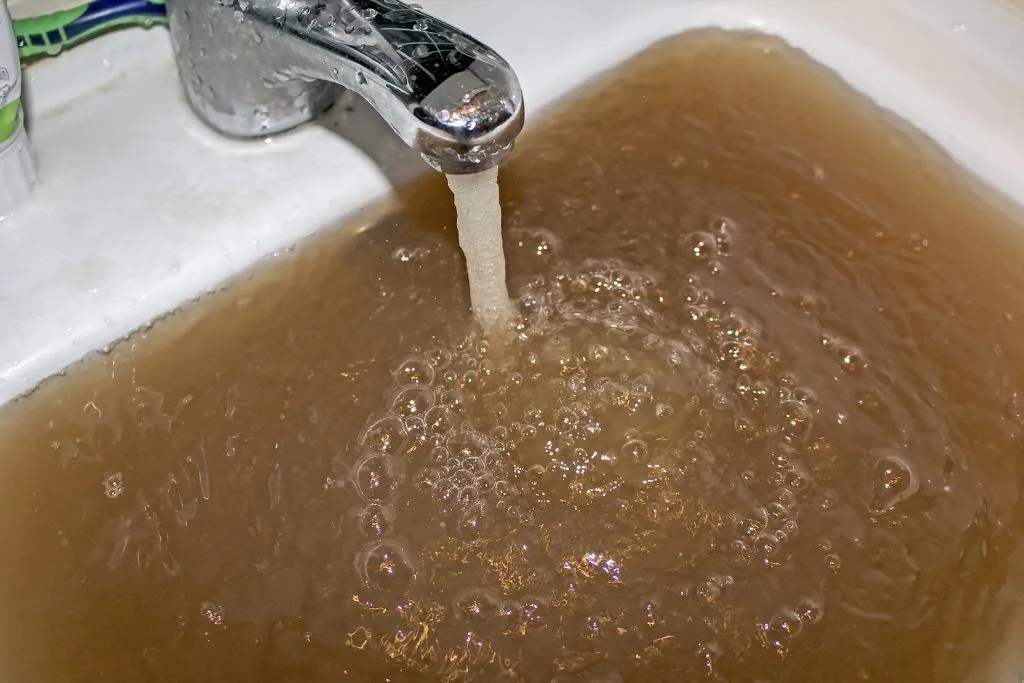
If a restaurant is located in one of the older Brooklyn locations or a historic Queens neighborhood, the risk of lead leaching from old service lines is a real liability. If a customer or employee is exposed to contaminants, the reputational and legal damage can be permanent. A proactive testing program provides a layer of protection, proving that the establishment maintains the highest safety standards for its patrons.
Moving Toward a Better Standard
For a modern restaurant, a basic charcoal filter under the sink is no longer enough. To truly master your water, you need Intelligence.
- Conduct a Baseline Test: Understand exactly what is coming out of your specific taps. Do not rely on the city’s general report.
- Match Filtration to Findings: Don’t buy an expensive RO (Reverse Osmosis) system if you only need a sediment and carbon filter. Test results allow you to spend your maintenance budget effectively.
- Monitor Seasonally: NYC water chemistry can shift slightly with the seasons. Periodic check-ins ensure your systems are always calibrated.
Water is the lifeblood of the hospitality industry. By treating it with the same respect as your Wagyu beef or organic produce, you protect your equipment, your flavors, and your guests. For more tips on maintaining a safe commercial kitchen, explore our FAQ or browse our borough-specific water guides.