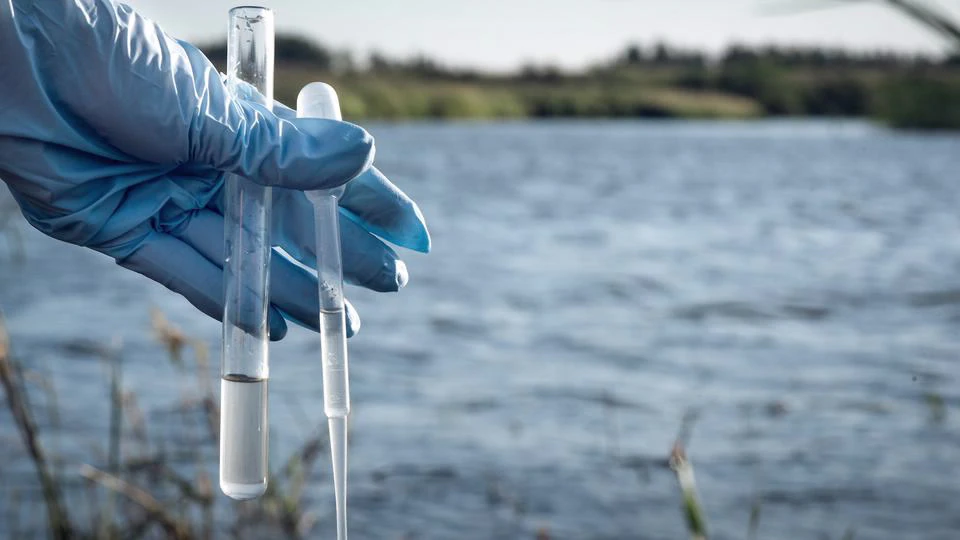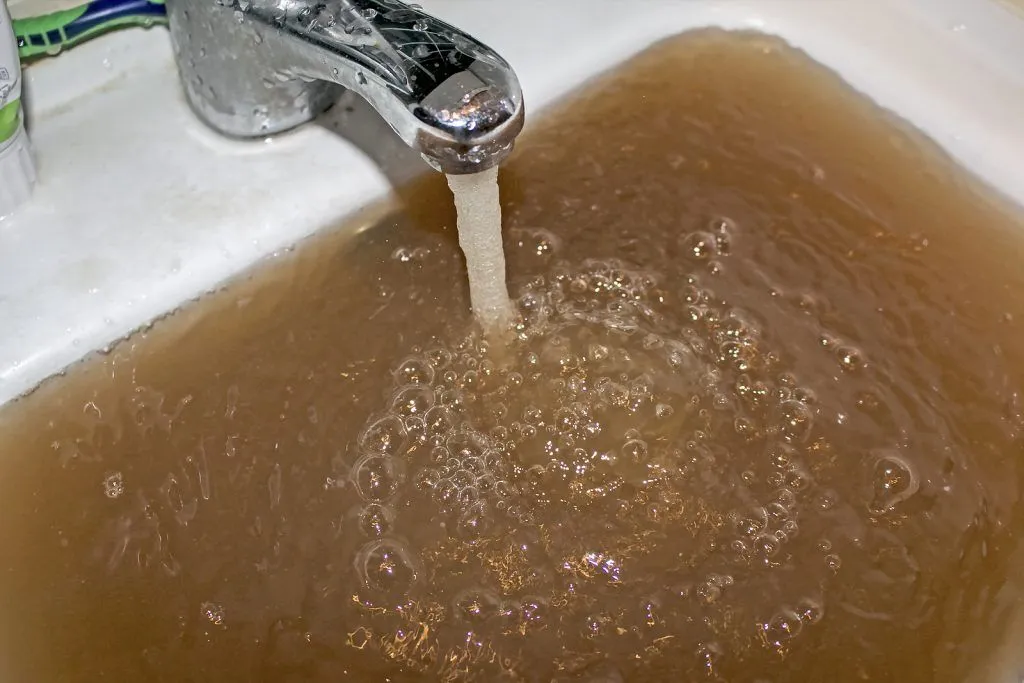
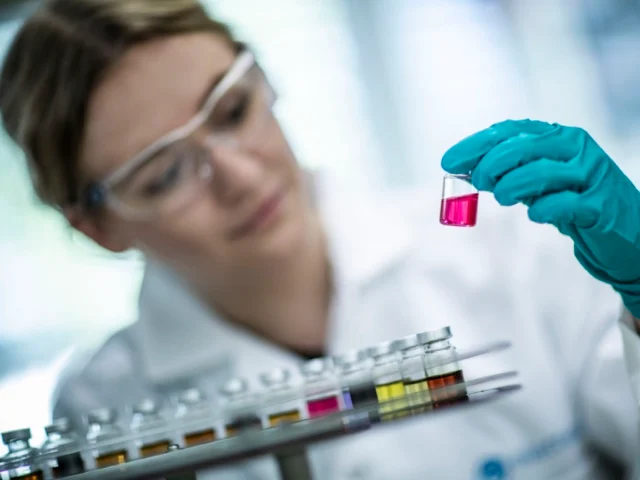
A trusted water testing laboratory Brooklyn serves as a vital safeguard for a water system widely regarded as a triumph of civil engineering, a vast network supplying more than one billion gallons of drinking water to millions of residents and thousands of businesses each day. Although the Department of Environmental Protection (DEP) carries out thorough monitoring at the source, the path from the water main to a kitchen faucet or a commercial cooling tower is filled with countless variables.
In a city shaped by its dense infrastructure and aging buildings, independent, certified water laboratories are far from a mere formality; they are central to safeguarding public health and maintaining operational efficiency. These facilities act as the analytical foundation for property owners, construction firms, and environmental consultants, ensuring that the water traveling through private plumbing stays as clean and safe as the moment it left the reservoir.
The Critical Role of Certification in NYC Water Testing
When we talk about “certified” laboratories, we are referring to facilities that have undergone rigorous accreditation by the New York State Department of Health (NYSDOH) Environmental Laboratory Approval Program (ELAP). In NYC, certification isn’t just a badge of honor; it is a legal and safety requirement for many types of regulatory compliance.
Certified labs are required to follow standardized EPA and state-mandated methods for detecting contaminants. Whether testing for lead, copper, Legionella, or volatile organic compounds (VOCs), these labs provide the data-driven certainty that NYC’s complex NYC infrastructure requires. Without this specialized oversight, the data used to make decisions about building safety would be unreliable.
Brooklyn Hospitality Properties Depend on Water Quality Across Every Shift
Brooklyn has become a global destination for boutique hospitality, from the industrial-chic hotels of Williamsburg to the upscale venues in Downtown Brooklyn. For these Brooklyn hospitality properties, water quality isn’t just a regulatory checkbox—it is a critical component of the guest experience and operational continuity that must be maintained 24/7, across every shift.
The Guest Experience and Sensory Consistency
In the hospitality sector, brand reputation is built on consistency. A guest at a high-end hotel in DUMBO expects the shower water to be clear and odorless, and the morning coffee to taste exactly as intended. However, many Brooklyn hotels occupy repurposed industrial structures where internal plumbing can fluctuate. Certified water testing services allow hospitality managers to monitor for sensory issues—like sulfur odors or metallic tastes—that can lead to negative reviews and damaged brand equity.
Operational Resilience for High-Demand Systems
Hospitality properties operate under intense, continuous demand. High-capacity laundry systems, commercial dishwashers, and extensive HVAC cooling towers are all susceptible to water-related failures.
- Mineral Scaling: Hard water or high alkalinity can cause rapid scale buildup, leading to mechanical downtime during peak occupancy.
- Microbial Management: With guests coming and going, maintaining a sterile environment is paramount. Regular bacteria testing ensures that ice machines and pool/spa facilities meet strict safety protocols, preventing outbreaks that could shutter a property.
Neighborhood-Specific Challenges
Brooklyn’s diverse geography means a hotel in Greenpoint may face different water chemistry challenges than one in Bay Ridge. Certified labs provide the localized data necessary for engineers to calibrate on-site filtration systems accurately, ensuring the water is optimized for both human consumption and mechanical preservation.
Water Testing in Schools Requires More Than a Checklist
Protecting the health of the city’s youth requires a nuanced approach. Effective water testing in schools goes beyond simple compliance to address the unique dynamics of educational facilities.
- System Stagnation: Schools often have long periods of “dead time” over weekends and holidays, which can lead to metal leaching. Certified labs help identify high-risk outlets that a standard checklist might miss.
- Proactive Sampling Plans: By testing after long breaks, labs ensure that a school’s flush protocols are actually working, moving the focus from reactive repairs to student safety.
Property Owners Across NYC Are Looking for Better Water Data
In 2026, NYC property owners are seeking high-frequency intelligence to manage risk and satisfy tenant transparency demands.
- Local Law 159 Compliance: As of May 2026, cooling towers must undergo monthly Legionella sampling. This mandate has turned water testing into a monthly operational essential for buildings across the five boroughs.
- Trend Analysis: Modern data allows owners to spot “creeping” bacteria levels, allowing for targeted maintenance instead of emergency shutdowns.
Manhattan Mixed-Use Buildings Need Smarter Testing Scopes
Manhattan’s vertical architecture creates complex needs where retail, offices, and apartments share a single supply.
- Diverse Usage Patterns: High-volume draws from ground-floor gyms or restaurants differ from residential usage. Smarter scopes involve sampling from multiple locations to ensure safety for all tenants.
- Consolidated Compliance: Labs help managers coordinate cooling tower mandates and residential lead testing into one defensible data set.
Arsenic and Heavy Metal Analysis Remains a Priority
Heavy metal analysis—including arsenic—remains a staple of NYC water data, especially in areas with industrial histories.
- Sensitive Detection: Certified labs use ICP-MS technology to detect arsenic at levels far below the 10 ppb limit, providing a safeguard for buildings in transitioning neighborhoods.
- Corrosion Indicators: Reports now include metrics like the LSI Index to predict if water is “aggressive” enough to damage expensive NYC infrastructure.
PFAS Analysis Has Moved Into the Mainstream
PFAS (per- and polyfluoroalkyl substances) analysis is now a mainstream safety component. With 2026 federal MCLs set at 4 ppt, certified labs provide the high-sensitivity analysis necessary for residential co-ops and hotels to determine if point-of-entry filtration is required.
Water Quality Consultants Bring Structure to Complicated Results
Raw data can be overwhelming. Water Quality Consultants act as a bridge, translating technical findings into clear narratives. They ensure testing protocols meet NYC Department of Health requirements and help develop long-term strategies for complex Brooklyn and Manhattan properties, often guided by our borough water guides.
The Process: From Tap to Result
When you engage with a lab, the process follows a strict scientific path:
- Collection: Proper sampling (first-draw vs. flushed) is the foundation of accuracy.
- Chain of Custody: Documenting the sample’s journey to ensure legal defensibility.
- Analysis: Utilizing advanced technologies like LC-MS/MS and ICP-MS.
- Reporting: Comparing findings against the most current 2026 federal and local health standards.
For quick answers regarding common contaminants, the FAQ section is an invaluable resource for hospitality and property managers.
Conclusion
The vastness of New York City means that water safety cannot be a centralized effort alone. It requires a decentralized network of experts and scientists working in certified facilities to monitor the millions of endpoints where the public interacts with water.
From the 24/7 demands of Brooklyn hospitality properties to the new monthly mandates of Local Law 159, certified water laboratories are the silent partners in NYC’s success. They provide the transparency, accuracy, and local expertise needed to keep our most precious resource safe for everyone.
If you have questions about the safety of your building’s water, the best first step is to contact us or explore our blog for the latest updates on NYC water quality standards. Keeping New York’s water safe is a collective effort, and it starts with a certified test.