A reliable water testing company Brooklyn has become an essential partner for property managers navigating a borough defined by its contrast. From the glass-and-steel high-rises transforming the Downtown Brooklyn skyline to the iconic brownstones of Bedford-Stuyvesant and the sprawling industrial complexes of Bushwick, the architectural diversity is unmatched. However, for property managers, this diversity presents a significant challenge: aging infrastructure.
As the borough continues to grow, the responsibility for maintaining safe, habitable environments has never been more critical. While heating, roofing, and structural integrity often dominate maintenance schedules, one of the most vital resources, water, is frequently overlooked. To protect residents and maintain asset value, property managers must move beyond reactive maintenance and implement stronger, more comprehensive testing programs.
The Reality of Brooklyn’s Water Infrastructure
New York City’s water is often hailed as the “champagne of tap water.” Sourced from the Catskill, Delaware, and Croton watersheds, it enters the city’s system remarkably clean. However, the journey from the upstate reservoirs to a kitchen faucet in Williamsburg or a showerhead in Bay Ridge is thousands of miles long.
The issue rarely lies with the source water; it lies with the delivery system. Brooklyn’s internal plumbing infrastructure is among the oldest in the country. Many buildings still rely on service lines and internal piping installed decades ago—some even dating back to the early 20th century. When water sits in old lead pipes or passes through corroded galvanized steel, it can pick up contaminants that were never present at the reservoir.
For property managers, relying on the city’s annual water quality reports is insufficient. Those reports measure the water as it leaves the treatment plant or at specific distribution points, not as it exits the specific taps in your building. To ensure safety, local water testing services are a necessity, not a luxury.
The Hidden Risks: Beyond Lead
While lead is the most publicized concern regarding NYC water, it is far from the only threat lurking in Brooklyn’s pipes. A robust testing program must account for a variety of contaminants that can affect both health and property value.
1. Legionella in Cooling Towers and HVAC Systems
In large residential and commercial buildings, Legionella is a primary concern. The bacteria thrive in warm, stagnant water, often found in cooling towers, large-scale water heaters, and complex plumbing networks. Brooklyn has seen its share of outbreaks, and the city’s Department of Health (DOHMH) has strict regulations regarding the maintenance and testing of these systems. Failure to comply doesn’t just risk a fine; it risks lives.
2. Disinfection Byproducts (DBPs)
To keep water safe from pathogens, the city uses chlorine. However, when chlorine reacts with organic matter in the pipes, it can create disinfection byproducts like trihalomethanes (THMs). Long-term exposure to high levels of DBPs has been linked to various health issues. Monitoring these levels is essential for buildings with older internal tanks.
3. Copper and Iron
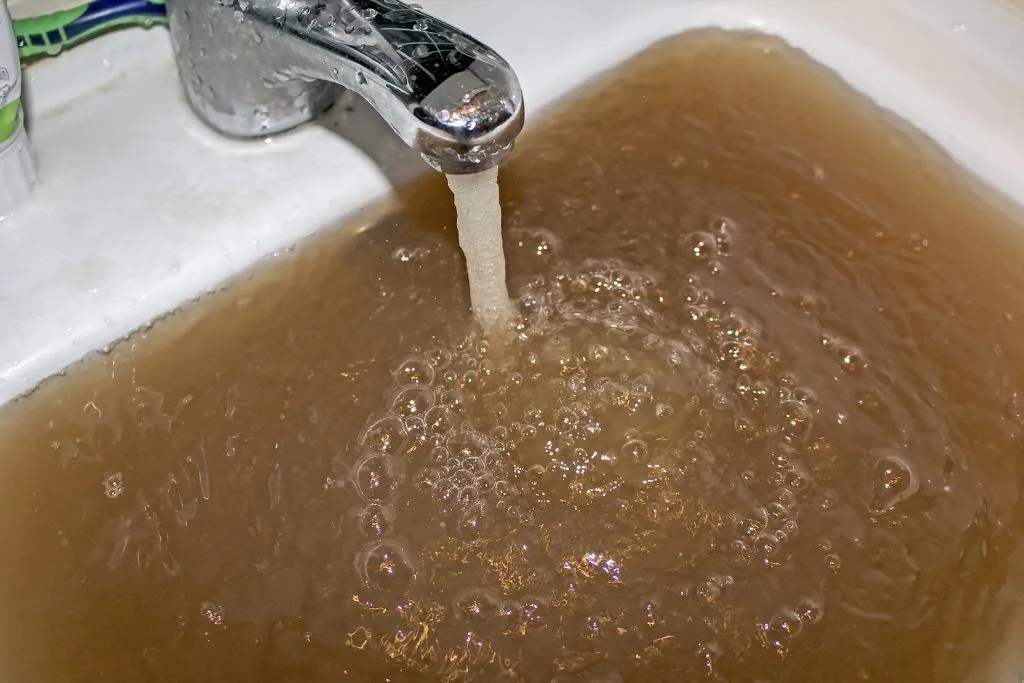
Corroding pipes don’t just affect taste; they can cause physical damage. High copper levels can lead to gastrointestinal issues, while excessive iron causes staining on fixtures and can ruin laundry—a major point of contention for tenants in high-end Brooklyn rentals.
4. PFAS and “Forever Chemicals”
Per- and polyfluoroalkyl substances (PFAS) are an emerging concern nationwide. While New York State has set some of the most stringent limits in the country for these chemicals, their presence in urban environments is a constant variable. Property managers who stay ahead of these emerging contaminants demonstrate a level of care that attracts long-term, high-quality tenants.
The Economic Argument for Proactive Testing
For many property managers, the hesitation to implement a rigorous testing program comes down to cost. However, the “cost of ignorance” is significantly higher than the cost of a laboratory test.
Liability Mitigation
In the current legal landscape, “I didn’t know” is not a valid defense. If a tenant becomes ill due to contaminated water, the property management firm and the building owner can face massive lawsuits. A documented history of regular water testing provides a “paper trail” of due diligence, proving that the management took proactive steps to ensure safety.
Protecting the Plumbing Infrastructure
Water testing can act as an early warning system for the building’s physical health. For example, sudden spikes in certain minerals or changes in pH levels can indicate that pipes are corroding from the inside out. By identifying these issues early through a Brooklyn-specific water guide, managers can perform targeted repairs rather than facing an emergency pipe burst that causes thousands of dollars in water damage.
Tenant Retention and “Wellness” Branding
In neighborhoods like DUMBO or Brooklyn Heights, tenants pay a premium for “luxury” living. Safety is now a component of luxury. Modern tenants are more informed than ever; they use home test kits and read environmental reports. When a property manager can provide an official, third-party water quality report to residents, it builds immense trust. It transforms the building from “just an apartment” into a “safe home.”
Navigating NYC’s Regulatory Environment
The regulatory landscape for water in NYC is complex. Between the NYC Department of Environmental Protection (DEP) and the Department of Health, property managers have a lot to track.
Current regulations often focus on specific building types or high-risk components like cooling towers. However, there is a growing push for more comprehensive testing in residential units, especially those housing vulnerable populations like the elderly or children. By establishing a testing cadence now, Brooklyn managers can stay ahead of future mandates that are likely to arise as NYC infrastructure continues to age.
What a Strong Testing Program Looks Like
A “stronger program” doesn’t mean testing every tap every day. It means a strategic, science-based approach. A professional program should include:
- Baseline Testing: When taking over a new property or after a major renovation, a full-spectrum test should be conducted to establish a baseline of water quality.
- Annual Screenings: At a minimum, lead and copper should be tested annually, particularly in buildings constructed before 1986.
- Strategic Sampling: Testing should be done at the point of entry (where the city water meets the building) and at various “distal” points (the taps furthest from the entry) to see how the building’s internal plumbing is affecting the water.
- Transparency: Results should be archived and, ideally, shared with the building’s board or tenant association.
The Local Advantage
Brooklyn is not Manhattan. The soil, the proximity to the waterfront, and the specific age of the local water mains create a unique environmental profile. Working with a laboratory that understands the Brooklyn locations and the specific challenges of our borough—from the industrial history of the Gowanus to the residential density of Sunset Park—is vital. Local expertise ensures that you aren’t just getting a data sheet; you’re getting context.
Conclusion
The safety of our water is something we often take for granted until it is too late. For Brooklyn property managers, the transition from a reactive to a proactive water testing stance is a hallmark of professional excellence. It protects the health of the residents, the integrity of the building’s infrastructure, and the financial stability of the investment.
In a borough that is constantly reinventing itself, the most basic necessity—clean water—must remain a top priority. Don’t wait for a tenant complaint or a city violation. Strengthen your water testing program today and ensure that your Brooklyn property remains a safe, healthy place to live for years to come.
For more information on how to implement a testing schedule for your building, or to learn more about common NYC contaminants, visit our FAQ page or reach out to us directly. Knowledge is the best tool for property preservation.