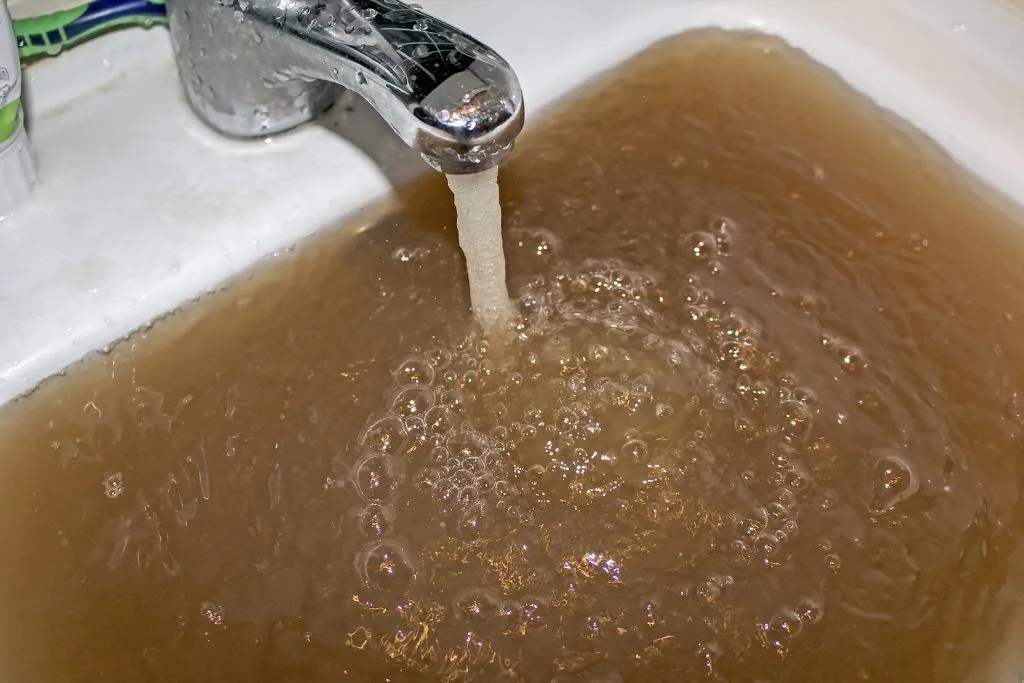

In the high-stakes world of New York City property management, a “brown water” complaint is often treated as a routine annoyance. The standard protocol—tell the tenant to flush the line for ten minutes and check if the neighbor has the same issue—is a relic of a reactive management style.
As we move through 2026, the density of our boroughs and the complexity of NYC infrastructure demand a more sophisticated response. Brown water is not just an aesthetic “glitch”; it is a data point. When a resident sees rust-colored water, they are seeing the physical evidence of a chemical or mechanical shift within the building’s circulatory system. True “technical follow-through” means moving beyond the flush and into forensic analysis.
Moving Beyond “The Flush”
The common wisdom is that if the water clears after a few minutes, the problem is “internal” and likely harmless sediment. While flushing does clear the immediate discoloration, it does nothing to diagnose the cause.
Technical follow-through asks why the sediment was disturbed in the first place.
- Is it a velocity surge? Sudden changes in water pressure can scour the interior of old iron pipes, indicating that a pressure-reducing valve (PRV) may be failing.
- Is it “Dissimilar Metal” corrosion? If brown water is localized to one apartment, it may be the result of a recent DIY repair where a tenant or unlicensed plumber joined copper and galvanized steel without a dielectric union.
- Is it a failing water heater? Persistent brown water on the hot side is often the first sign that a sacrificial anode rod in the building’s boiler or a tenant’s individual tank has been completely consumed, leaving the tank walls to corrode.
By employing professional water testing services, managers can determine if the “brown” is iron, manganese, or a more concerning combination of lead and zinc from decaying galvanized lines.
The Risk of Ignoring the “Signaling”
In many Brooklyn locations and older Manhattan neighborhoods, brown water is a signal that the protective “scale” inside the pipes has been compromised.
When this scale—a thin layer of minerals that prevents water from touching the raw metal of the pipe—is stripped away, the pipe becomes vulnerable to rapid pitting. Ignoring these complaints doesn’t just frustrate tenants; it accelerates the timeline for a catastrophic pipe burst. Technical follow-through involves conducting a “profile test,” sampling water at different intervals (first draw vs. flushed) to pinpoint exactly where the degradation is occurring.
Documentation as a Management Tool
In an era of increased liability, the way a manager logs a complaint is as important as how they fix it. A robust technical follow-through includes:
- Mapping the Complaint: Is the brown water occurring in a specific “stack” of the building? This can help identify a specific riser that needs attention.
- Chemical Benchmarking: Comparing the iron levels of the complaint sample to the building’s annual baseline.
- Communication of Findings: Providing the tenant with a lab-verified report. This shifts the narrative from “the manager is ignoring me” to “the management is scientifically investigating the health of the building.”
The Role of External Factors
Sometimes, the brown water is indeed the city’s responsibility—due to fire hydrant use, water main breaks, or street-side construction. However, even in these cases, a building with a strong borough-specific water guide and an internal filtration strategy can mitigate the impact.
A technical follow-through for a city-side issue might involve checking the building’s “strainers” or “Y-filters” at the point of entry. If these are clogged with street sediment, it can cause a drop in pressure across the entire building, leading to further internal issues.
Conclusion: Professionalism through Precision
A brown water complaint is an opportunity to prove the value of professional management. By treating these incidents with technical rigor rather than dismissive “flushing” advice, property managers protect the building’s physical assets and build deep trust with their residents.
Don’t let a “routine” complaint mask a developing crisis. For help setting up a technical response protocol for your staff, or to understand the common contaminants in your neighborhood, visit our FAQ or reach out to our local experts. In New York City, the best defense is a well-documented offense.