
In the sophisticated world of New York City facility management, a building engineer is only as good as their data. From the subterranean pump rooms to the rooftop cooling towers, the “health” of a property is measured in pressures, temperatures, and flow rates. However, one of the most critical variables—the chemical and biological composition of the water—is often managed with a “reactive” mindset rather than a scientific one.
For engineers overseeing NYC infrastructure, the shift from field-strip testing to certified baseline results is not just a regulatory trend; it is a fundamental upgrade in operational intelligence. In 2026, with stricter mandates on Legionella and heavy metals, a certified lab report is the most powerful tool in an engineer’s arsenal.
The Difference Between “Field Tests” and “Certified Analysis”
Most building engineers are familiar with “drop tests” or “dip slides” for daily monitoring. While these are useful for quick checks on biocide residuals or pH, they have significant limitations:
- Precision: Field tests often have wide margins of error and cannot detect trace levels of contaminants like lead or specific VOCs.
- Legal Weight: In the event of a health inspection or a liability claim, a field test logged in a binder carries far less weight than a report from a certified water testing NYC laboratory.
- Scope: A lab analysis can identify a broader spectrum of issues, including “total dissolved solids” (TDS) and various bacteria that field kits aren’t designed to catch.
The “Baseline” as a Diagnostic North Star
A baseline is a comprehensive “snapshot” of a building’s water quality taken during optimal conditions. For a building engineer, this baseline acts as a control group.
1. Identifying “Hidden” Corrosion
If an engineer knows the baseline iron and copper levels in a building, a sudden spike in a quarterly report becomes an early warning system. It signals that a pipe is corroding somewhere in the walls or that a heat exchanger is failing long before a leak actually occurs. Without a baseline, you are just looking at numbers in a vacuum.
2. Calibrating Chemical Treatment
Water treatment is a delicate balance. Over-treating with chlorine or biocides can be just as damaging as under-treating, as excessive chemicals can strip the protective “scale” from pipes, as discussed in our analysis of iron and corrosion. Certified results allow an engineer to dial in their chemical feed pumps with surgical precision, saving money on chemicals and extending the life of the HVAC equipment.
3. Streamlining LL77 Compliance
In New York City, Local Law 77 requires rigorous maintenance and testing of cooling towers. By 2026, many engineers are finding that “monthly” culture testing, while burdensome, is much easier to manage when they have a history of certified baseline data. It allows them to prove to the DOHMH that a single “positive” result for Legionella is a temporary anomaly rather than a systemic failure of their Maintenance Program and Plan (MPP).
Improving Vertical System Efficiency
In high-rise locations across Manhattan and Brooklyn, water must be pumped hundreds of feet in the air. High mineral content or “hard” water increases the friction in these lines and causes pumps to work harder.
A certified baseline helps engineers identify “scaling potential” early. By adjusting the water chemistry based on lab-grade data, they can reduce the energy load on booster pumps and chillers—directly contributing to the building’s Local Law 97 carbon-reduction goals.
The Engineering “Peace of Mind”
Perhaps the greatest benefit of certified baseline results is the reduction of professional risk. When a building engineer can point to a third-party, ELAP-accredited lab report, they are effectively shifting the burden of “proof” from their own shoulders to the laboratory.
This level of due diligence is essential during:
- Commissioning: When a new building is handed over to the engineering team.
- Post-Repair: After a major water main break or plumbing overhaul.
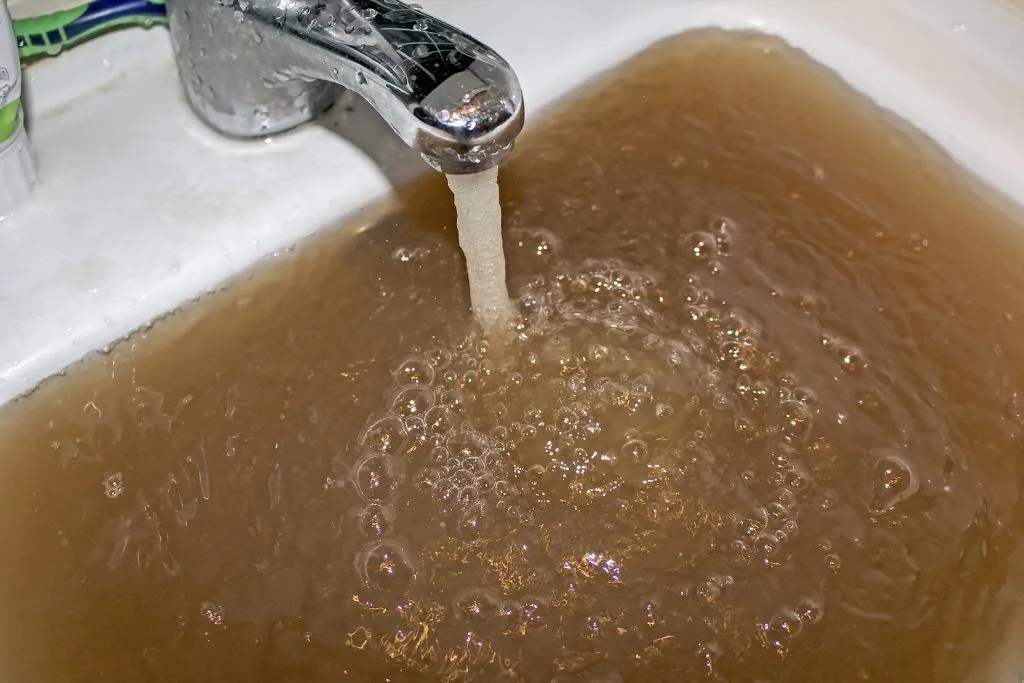
- Tenant Complaints: Providing a technical follow-through for brown water complaints that is backed by science.
Conclusion: Data-Driven Facility Management
The modern building engineer is more than a mechanic; they are a data analyst. By prioritizing certified baseline results, engineering teams across NYC can operate with more confidence, protect their mechanical assets, and ensure the safety of everyone who walks through the lobby.
Are you ready to establish a scientific baseline for your property? Explore our borough-specific guides to see how local history impacts your building’s engineering needs, or contact us today to schedule a comprehensive facility audit.