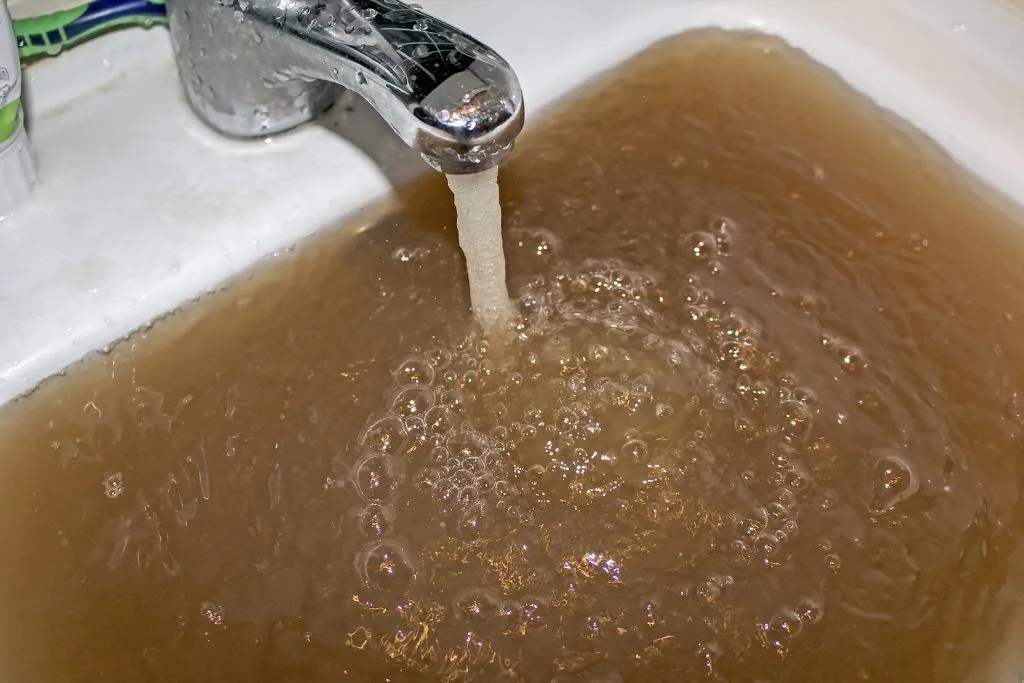

For property managers in New York City water quality issue such as sudden spike in lead or a recurring brown water complaint, is only the beginning of the process. The real challenge is accurate diagnosis, which is precisely where certified water testing companies prove invaluable. Pinpointing the true source of a contaminant is rarely straightforward, as the problem could originate from the city water main, the building internal riser system, or simply a single aging faucet in apartment 4B.
Without certified baseline results, management is often forced into an expensive and time-consuming game of trial and error. Professional testing delivers the technical clarity needed to distinguish between a localized fixture problem and a systemic plumbing failure, ultimately saving thousands of dollars in unnecessary repairs and protecting residents with confidence.
The “First Draw” vs. “Flushed” Diagnostic
The primary way a water testing service separates a fixture issue from a system issue is through differential sampling. This involves taking two distinct samples from the same tap:
- The First Draw: This sample is taken after the water has sat stagnant in the pipes for at least six hours (usually overnight). This water has had maximum contact time with the specific fixture and the immediate piping behind the wall.
- The Flushed Sample: This sample is taken after the tap has run for several minutes. This water represents the quality of the water flowing through the building’s main risers or coming directly from the NYC infrastructure.
Interpreting the Results:
- High First Draw + Low Flushed: This is a classic fixture or localized problem. The lead or copper is leaching from the faucet itself, the “pigtail” connector, or the shut-off valve under the sink. The solution is often as simple as replacing the faucet.
- High First Draw + High Flushed: This indicates a systemic problem. The contaminant is present throughout the building’s internal plumbing or is entering from the street. This requires a much broader investigation of the building’s service lines or main risers.
Why Certified Lab Results Are Non-Negotiable
While many hardware stores sell DIY home test kits, these are insufficient for property management “triage.” A DIY kit might tell you lead is present, but it won’t provide the precise parts-per-billion (ppb) accuracy required to compare first-draw and flushed samples effectively.
Certified labs provide:
- ELAP Accreditation: In New York, results must come from a lab accredited by the Environmental Laboratory Approval Program (ELAP) to be legally defensible.
- Chain of Custody: Professional testing ensures that samples aren’t contaminated during collection or transport, which is vital when deciding whether to replace a $50 faucet or a $50,000 riser.
- Technical Intelligence: Experts can look at the ratio of different metals—like the ratio of lead to tin—to determine if the source is lead solder (a system issue) or a brass fixture (a localized issue).
The Economic Impact of Accurate Diagnosis
Misdiagnosing a water issue is a major “budget killer” for NYC residential and commercial portfolios.
- Case A (The Fixture): A tenant complains of metallic-tasting water. Management assumes the worst and begins planning a riser replacement for the entire line. A certified test reveals the issue is localized to a single low-quality kitchen faucet. Savings: $20,000+
- Case B (The System): Management replaces several fixtures in a building with brown water complaints, but the problem persists because the actual issue is a corroding storage tank on the roof. The money spent on fixtures was wasted. Savings: Maintenance time and tenant trust.
Creating a Data-Backed Maintenance Plan
By implementing regular, certified testing across different locations in a property, engineers can create a “health map” of the building.
If testing shows that 80% of first-draw samples are high in lead but 100% of flushed samples are clean, the manager knows that a building-wide fixture upgrade is the solution. If the flushed samples are the issue, they can begin looking at the point of entry or the building’s main service line.
Conclusion: Knowledge is the Best Tool
In the complex environment of New York City real estate, guesswork is a liability. Certified testing provides the clarity needed to make surgical, cost-effective repairs. Whether you are managing a historic pre-war building or a modern high-rise, understanding where your water problems begin—and where they end—is essential.
For help designing a differential sampling plan for your building, or to understand the local standards in your area, visit our borough-specific guides or contact us today. Accuracy in the lab means efficiency in the field.