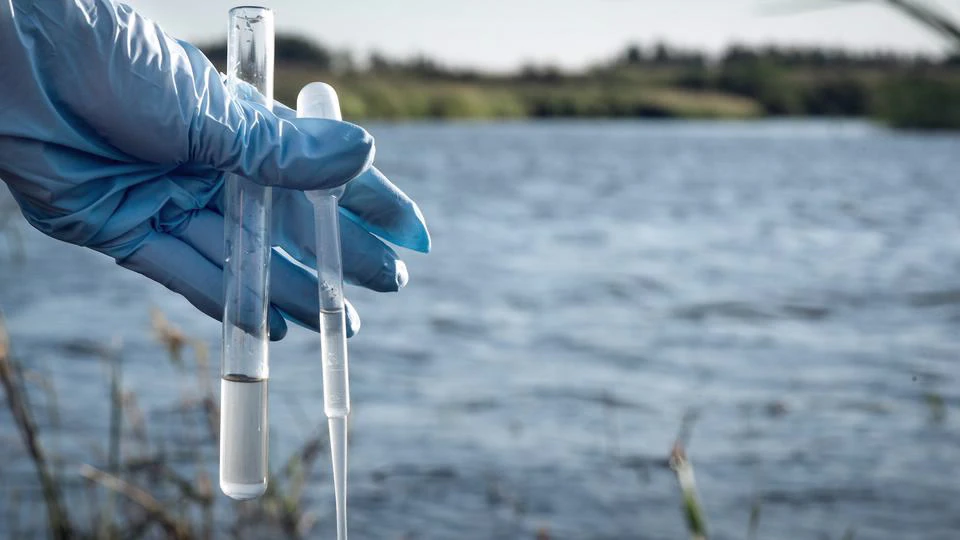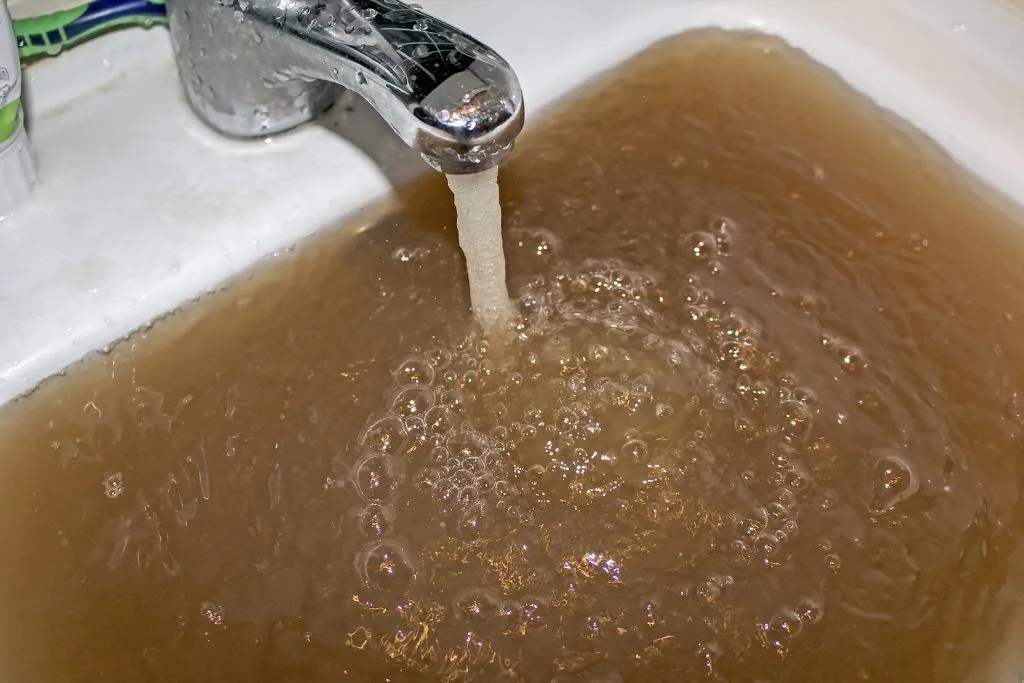

In the high-pressure environment of a New York City commercial kitchen, water is the silent workhorse. It is the base of every reduction, the steam in the combi-oven, the rinse for the produce, and the ice in the cocktail. Because water is so deeply integrated into every culinary process, a single “grab sample” from the prep sink is no longer sufficient for a modern water testing service.
A professional commercial kitchen is a complex ecosystem of specialized equipment, each with its own specific water requirements and risks. To ensure food safety, equipment longevity, and flavor consistency, water analysis must be conducted at multiple “critical control points” throughout the facility.
Why the “Point of Entry” Is Only the Beginning
Many restaurateurs make the mistake of testing water only at the building’s main shut-off valve. While this tells you the quality of the water as it enters your space from the NYC infrastructure, it tells you nothing about what happens to that water once it travels through your kitchen’s internal lines.
Commercial kitchens often feature extensive, branched plumbing networks with various “dead legs”—sections of pipe that may have low flow. These areas are prone to stagnation, which can lead to:
- Microbial Growth: Dropping chlorine levels in stagnant lines can allow for the development of biofilms.
- Lead and Copper Leaching: Water that sits overnight in brass fittings or copper lines can accumulate metals at levels far higher than the city’s average.
The Four Essential Sample Points
A comprehensive kitchen analysis should target the following areas to provide a complete picture of the water’s health:
1. The Primary Prep Sink
This is your baseline for food safety. Since this water touches raw produce and is used for washing hands, it must meet the highest bacteriological standards. A sample here ensures that the “last mile” of your plumbing isn’t introducing coliform or other pathogens.
2. The Ice Machine
Ice machines are notorious “red zones” for health inspectors. They are cold, damp environments that are frequently neglected. Testing at the ice machine inlet—and testing the melted ice itself—can reveal if the internal lines are harboring mold or “slime” that a standard cleaning cycle might miss.
3. The Beverage and Coffee Service
For a café or bar, water chemistry dictates the product’s quality. Espresso machines and soda fountains are highly sensitive to pH, total dissolved solids (TDS), and chlorine. Testing here helps you calibrate your filtration systems and prevents “off-tastes” that can drive away regular customers.
4. The High-Heat Equipment (Steamers and Dishwashers)
In appliances that heat water, mineral content (hardness) is the primary concern. High levels of calcium and magnesium lead to scale buildup, which can cause a $20,000 combi-oven to fail in less than two years. Testing at these specific points allows you to monitor the efficacy of your water softeners or scale-inhibitor cartridges.
Technical Intelligence vs. Simple Compliance
In 2026, NYC health code standards have become more data-centric. Relying on a single sample point is a “compliance” mindset. Relying on multi-point analysis is an “intelligence” mindset.
Multi-point testing allows a chef or owner to troubleshoot issues with surgical precision. If a lead spike is found at the bar sink but not at the prep sink, you know you have a localized plumbing issue rather than a building-wide crisis. This saves thousands of dollars in unnecessary repairs and prevents broad-spectrum “boil water” scares that can shut down a business for days.
Conclusion: Protecting the Craft
For a New York City chef, the ingredients are sacred. By treating water as a primary ingredient—and analyzing it at every stage of its journey through the kitchen—you protect the integrity of your menu and the health of your guests.
Whether you are operating in one of the historic Brooklyn locations or a brand-new Manhattan development, the complexity of the urban grid makes multi-point analysis a non-negotiable part of kitchen management.
To learn more about how to structure a testing schedule for your restaurant, browse our Queens and Manhattan guides or visit our blog for deep dives into commercial filtration technology.