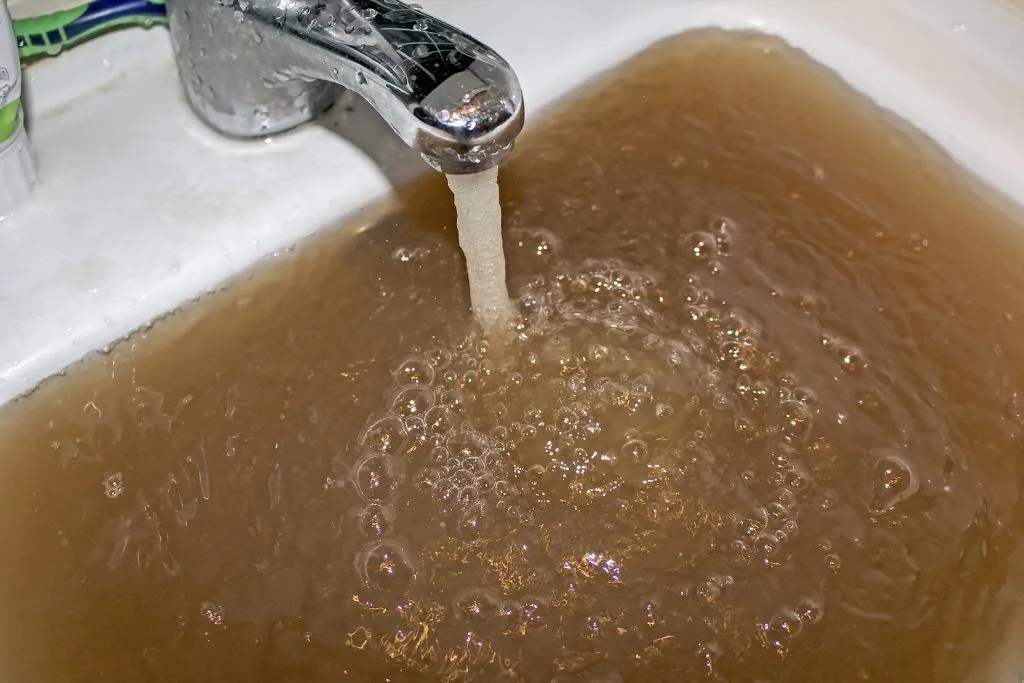

In the world of New York City property management, lab results are often viewed through the lens of simple compliance: is a reading above or below the limit? However, for those managing the complex infrastructure of Brooklyn and Manhattan, a skilled water testing consultant NYC understands that treating lead and copper as isolated data points is a missed opportunity for building diagnostics.
To truly understand the health of a property plumbing, copper and lead results must be read together. When analyzed in tandem, these two metals tell a story about the water corrosivity, the age of the materials, and the effectiveness of the building internal maintenance.
The Chemical Connection: Why They Co-Occur
Lead and copper are rarely found in New York City’s source water; they are “leached” from the plumbing after the water enters the building. They are often found together because of how older NYC buildings were constructed.
- Copper Pipes: The standard for residential plumbing since the mid-20th century.
- Lead Solder: Used to join those copper pipes together until it was banned in 1986.
- Brass Fixtures: Many “lead-free” brass faucets still contain small amounts of lead to make the metal more malleable.
When water is “aggressive”—meaning it has a low pH or high levels of dissolved oxygen—it attacks both the pipe walls and the soldered joints simultaneously. This is why a professional water testing service will always recommend testing for both metals in the same sampling event.
Diagnosing “Galvanic Corrosion”
One of the most valuable reasons to read these results together is to identify galvanic corrosion. This occurs when two dissimilar metals (like copper and lead or copper and galvanized steel) are in physical contact in the presence of water.
If your lab report shows moderately elevated copper but extremely high lead, it often indicates that the copper piping is acting as a cathode, accelerating the corrosion of the lead-based solder joints. This is a “systemic” issue that simple faucet replacements won’t fix. It requires a more comprehensive technical follow-through to identify where these metals are interacting.
The “First-Draw” Synergy
As we’ve noted in our guide to separating fixture problems from system problems, the ratio of copper to lead in a “first-draw” sample is highly revealing.
- High Copper + Low Lead: Usually suggests that the building’s water chemistry is slightly acidic, and it is attacking the copper pipes. This is often seen in newer buildings where a protective “scale” hasn’t yet formed on the interior of the pipes.
- Low Copper + High Lead: Points directly to a specific lead-bearing component, such as an old lead service line or a legacy brass valve, rather than a general corrosivity issue.
- Both High: Indicates a significant corrosion control failure. This usually means the building’s internal baseline water chemistry has shifted, and the water is stripped of its ability to maintain a protective coating.
Operational Intelligence for Property Managers
For managers of large portfolios in the Bronx or luxury towers in Jersey City, seeing a spike in both metals across multiple locations is a red flag for the building’s mechanical systems.
Corrosive water doesn’t just leach metals; it destroys equipment. If lead and copper are both trending upward, your boilers, chillers, and laundry systems are likely suffering from the same corrosive environment. By reading these results together, building engineers can adjust their chemical treatment programs before a pinhole leak or equipment failure occurs.
Conclusion: Better Data Leads to Better Decisions
In New York City, compliance is just the baseline. True property preservation requires Intelligence. By analyzing lead and copper results together, you move from merely identifying a problem to understanding its root cause.
Whether you are dealing with brown water complaints or a standard annual audit, ensure your lab provider gives you a comprehensive view of your building’s chemistry. For help interpreting your latest results or to learn more about the water profile in your borough, browse our borough-specific water guides or contact us today. Knowledge is the only way to protect both your tenants and your infrastructure.