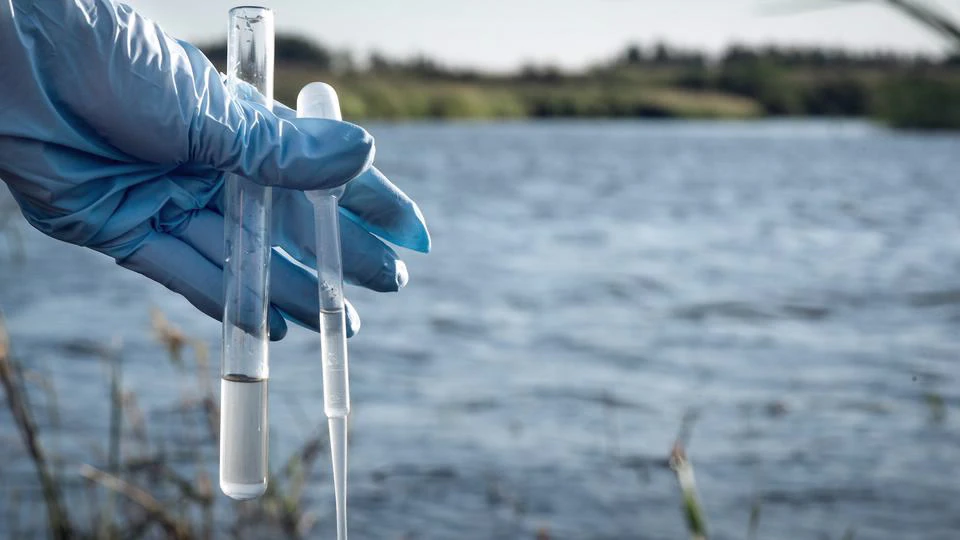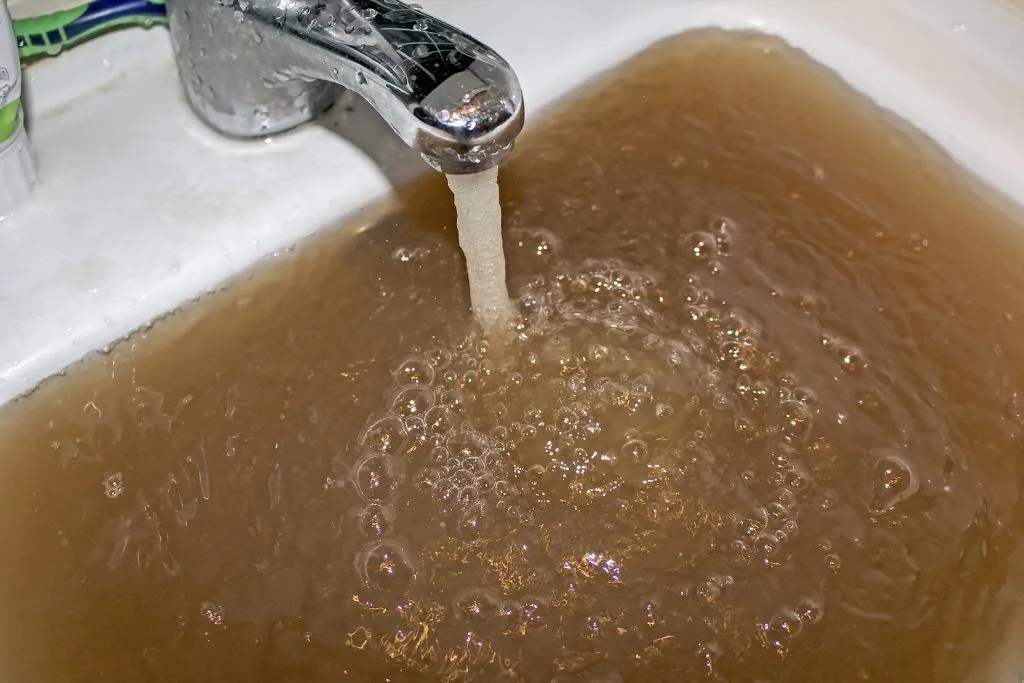

Water testing companies Queens help homeowners understand the invisible history behind every glass of tap water, including the treatment, testing, and infrastructure that affect its quality. Drinking water cannot be judged by taste, smell, or appearance alone, because many serious contaminants, including lead, bacteria, and certain chemical residues, are completely undetectable without laboratory analysis.
That is why professional water testing matters so much. By collecting samples, running detailed lab tests, and explaining the results in clear language, water testing companies Queens help identify hidden problems early and guide homeowners toward the right solutions. This kind of testing gives you accurate information, greater peace of mind, and the ability to make informed decisions about the safety of your water.
The Science Behind Drinking Water Quality
Water quality is determined by a combination of chemical, physical, and biological factors. Treatment plants remove many contaminants before water ever leaves the facility, but water can pick up new issues on its journey through municipal pipes, building infrastructure, and household plumbing.
This means that water tested at the treatment plant may look very different from water tested at your kitchen tap. The distance between the source and your home introduces variables that only direct testing can account for.
Key Scientific Indicators of Water Quality
- pH levels, which affect corrosivity and the leaching of metals from pipes
- Turbidity, a measure of cloudiness that can indicate sediment or microbial presence
- Total dissolved solids, which reflect mineral and chemical concentration
- Microbial content, including bacteria that signal potential contamination
- Heavy metal concentrations, particularly lead and copper from aging pipes
Common Water Testing Methods Explained
Not all water tests are created equal. Understanding the different methods available helps homeowners and property managers choose the right level of testing for their situation.
Basic Screening Tests
These are often conducted using test strips or simple field kits. They can provide a general sense of pH, hardness, or chlorine levels, but they are not precise enough to confirm the presence or absence of serious contaminants like lead.
Certified Laboratory Analysis
This is the gold standard for accurate water testing. Samples are collected following strict protocols and analyzed using specialized equipment capable of detecting contaminants at extremely low concentrations, often measured in parts per billion.
Continuous Monitoring Systems
Some larger properties or facilities use ongoing monitoring technology to track water quality in real time. While less common in single-family homes, this approach is valuable for multi-unit buildings with more complex plumbing systems.
Why Public Health Depends on Water Testing
Water quality is not just a personal concern. It is a public health issue that affects entire communities. When contamination goes undetected, the consequences can extend far beyond a single household, particularly in cases involving shared infrastructure or municipal water sources.
Regular testing plays a critical role in identifying problems before they escalate. Early detection allows for targeted intervention, whether that means repairing infrastructure, adjusting treatment processes, or informing residents of necessary precautions.
Vulnerable Populations and Water Safety
- Infants and young children face heightened risks from lead exposure during critical developmental stages
- Pregnant individuals are particularly sensitive to certain contaminants
- Elderly residents and those with compromised immune systems are more susceptible to bacterial illness
- Individuals with pre-existing health conditions may experience amplified effects from long-term low-level exposure
Water Quality Challenges Specific to Queens
Queens presents a unique combination of older housing stock, rapid new development, and diverse plumbing infrastructure. Each of these factors introduces its own water quality considerations.
Aging Infrastructure
Many homes and buildings throughout Queens were constructed before modern plumbing standards were established. This increases the likelihood of lead pipes, older solder joints, and outdated fixtures that can affect water quality over time.
New Construction Considerations
Newer buildings are not immune to water quality issues. Improperly flushed systems, stagnant water in unoccupied units, or inconsistent maintenance schedules can all introduce contamination risks, even in modern infrastructure.
Mixed-Use and Multi-Unit Properties
Buildings with multiple units often have more complex plumbing systems, which can make it harder to identify the source of a water quality issue without professional testing across multiple points in the system.
What to Expect From Professional Water Testing
Many residents hesitate to schedule water testing simply because they are unsure what the process involves. In reality, working with an experienced provider is straightforward and designed to minimize disruption.
Step 1: Assessment of Your Property
A technician reviews relevant details about your property, including its age, plumbing materials, and any specific concerns you want addressed.
Step 2: Sample Collection
Water samples are carefully collected from designated taps using strict protocols to ensure the results accurately reflect your water quality.
Step 3: Laboratory Testing
Samples are sent to a certified lab where they undergo detailed analysis for the specific contaminants relevant to your situation.
Step 4: Clear, Actionable Reporting
Once results are available, they are translated into an understandable report that explains what was found and how it compares to established safety standards.
Step 5: Recommendations and Next Steps
Based on the findings, you receive practical guidance, whether that involves filtration solutions, plumbing repairs, or confirmation that your water meets safety expectations.
Supporting Sustainable, Long-Term Water Safety
Protecting drinking water quality is an ongoing responsibility rather than a single event. Building sustainable habits around water safety benefits both individual households and the broader community.
- Schedule testing annually, or immediately after any major plumbing changes
- Repair leaks promptly to prevent water waste and reduce contamination risk
- Replace aging pipes or fixtures that may contain lead
- Select filtration systems based on verified lab results rather than assumptions
- Maintain water heaters and storage systems to prevent bacterial buildup
These small, consistent actions, paired with regular professional testing, create a proactive approach to water safety that protects both health and property value over time.
Choosing Among Water Testing Companies
With multiple providers available, it is worth taking time to evaluate which company can offer the most accurate and useful results for your specific needs.
- Certified laboratory relationships that follow recognized industry standards
- Transparent, easy-to-understand reporting rather than confusing technical data
- Local experience with the specific infrastructure challenges common in Queens
- Honest, upfront pricing without hidden charges
- Responsive communication before, during, and after testing
Selecting a provider with these qualities ensures you receive not just accurate data, but a clear understanding of what that data means for your household or property.
Final Thoughts
The science behind drinking water quality is complex, but its purpose is simple: to protect public health through accurate detection and informed action. For residents throughout Queens, where aging infrastructure and new development often coexist, understanding this science is the first step toward making confident, informed decisions about the water you rely on every day.
Choosing to test your water is not an overreaction. It is a practical, science-based step toward protecting your health, your home, and the broader community’s access to safe drinking water.
Frequently Asked Questions
Why can’t I just judge water quality by taste or appearance?
Many serious contaminants, including lead and certain bacteria, have no taste, smell, or visible presence, which means laboratory testing is the only reliable way to confirm water safety.
How often should drinking water be tested?
Most experts recommend testing at least once a year, with additional testing after plumbing repairs, renovations, or any noticeable change in water quality.
Are basic test strips accurate enough for serious concerns?
Test strips can offer general screening, but they lack the precision needed to detect low-level contaminants like lead, making certified laboratory testing the more reliable option.
Does living in a newer building mean my water is automatically safe?
Not necessarily. Newer buildings can still experience water quality issues related to stagnant water, plumbing installation errors, or inconsistent maintenance.
What should I do if testing reveals a contamination issue?
Depending on the specific contaminant, recommendations may include installing a certified filtration system, repairing affected plumbing, or scheduling follow-up testing to confirm the issue has been resolved.
How long does it take to receive water testing results?
Turnaround time varies based on the specific tests requested, but most standard results are available within a few business days after sample collection.