In the New York City hospitality sector, professional water testing services NYC have become essential to protecting the guest experience. From the boutique hotels of Williamsburg to the luxury flagships of Midtown Manhattan, every touchpoint is designed to evoke comfort and safety. However, a “set-it-and-forget-it” approach to water, relying on the city general reputation rather than building-specific intelligence, is an operational risk that modern hotels can no longer afford.
A robust hospitality water quality program must look beyond simple potability. It requires broad operational awareness, integrating water testing into every department, from housekeeping and food service to facility engineering and guest relations. These services are used to routinely screen for contaminants like lead and bacteria, monitor water used in kitchens and ice machines, verify the safety of guest room fixtures, and ensure that cooling towers and boilers meet strict health regulations. By applying this data across operations, hotels can prevent guest complaints, protect their staff, and maintain regulatory compliance before problems ever surface. In 2026, water is not just a utility; it is a critical infrastructure component that dictates a hotel reputation and bottom line.
The Three Pillars of Hospitality Water Awareness
To achieve true operational awareness, a hotel management team must analyze their water through three distinct lenses: guest health, mechanical integrity, and culinary excellence.
1. Guest Health and the “Biological Shield”
The most significant biological threat in the hospitality industry is Legionella. In large buildings with complex plumbing, cooling towers, and decorative fountains, the risk of stagnant water harboring bacteria is high.
Broad operational awareness means that the housekeeping and engineering teams are in constant communication. If a floor has been vacant for a week due to low occupancy, the water must be flushed according to a strict protocol before a new guest arrives. This isn’t just about a “fresh” glass of water; it’s about preventing the aerosolization of bacteria in showers. Managers should use periodic HPC results to verify that their flushing protocols are actually working.
2. Protecting the Mechanical Asset
New York City’s water, while clean, can be “aggressive” toward high-end hospitality finishes.
- Scale and Iron: High mineral content or iron from aging NYC infrastructure causes unsightly staining on marble bathrooms and clogs rain-shower heads—a frequent source of guest complaints.
- Energy Efficiency: Scale buildup in commercial laundry systems and water heaters forces the hotel to use more energy to reach the desired temperature, directly impacting the property’s sustainability goals and Local Law 97 compliance.
By maintaining a certified baseline of water chemistry, engineers can treat the water at the point of entry, extending the life of $5,000 faucets and multi-million dollar HVAC systems.
3. The Culinary Standard
For hotels with signature restaurants or high-volume banquet halls, the water is a primary ingredient. As we’ve noted in our commercial kitchen analysis, chlorine odors or pH imbalances can ruin a carefully crafted cocktail or a sourdough starter. Operational awareness ensures that the F&B (Food and Beverage) director is looped into the building’s water testing schedule, allowing them to calibrate filtration systems to match the building’s current water profile.
Moving Beyond Compliance to “Brand Protection”
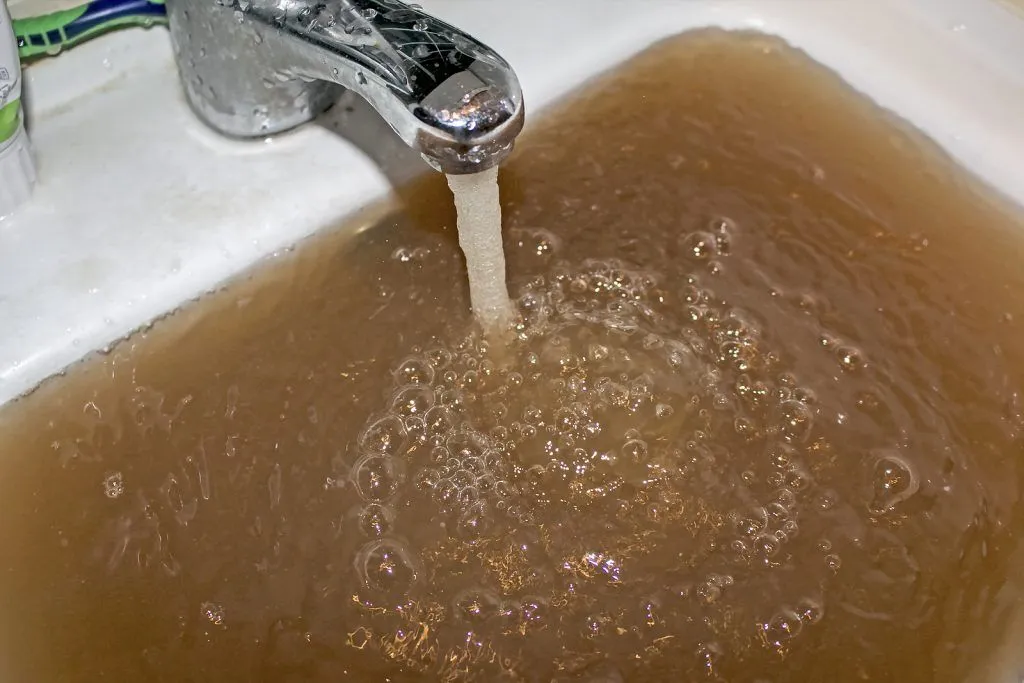
In the digital age, a single Yelp or TripAdvisor review mentioning “brown water” or a “funny smell” can go viral, causing irreparable damage to a hotel’s brand. Broad operational awareness involves a technical follow-through for every guest complaint.
Instead of simply apologizing for brown water, an aware manager can investigate if the issue was caused by a localized fixture problem vs. a system-wide issue. Providing a concerned guest with a summary of the hotel’s rigorous, third-party water testing program can transform a negative experience into a demonstration of the hotel’s commitment to safety and luxury.
Regional Context Matters: From Brooklyn to Queens
The challenges for a hotel in a historic Brooklyn location—where older service lines may still be present—differ from those in a brand-new skyscraper in Long Island City.
- Historic Properties: Need to focus heavily on lead and iron leaching from legacy internal plumbing.
- Modern Skyscrapers: Must prioritize pressure management and Legionella prevention in high-tech, high-temperature systems.
Consulting borough-specific water guides allows hospitality managers to tailor their testing programs to the specific environmental history of their neighborhood.
Conclusion: Water as a Strategic Asset
In the competitive NYC hospitality market, the “best” hotels are those that manage the invisible details with the same precision as the visible ones. A broader water quality program—one that is documented, scientific, and operationally integrated—is a hallmark of a world-class property.
Don’t wait for a guest complaint or a health department audit to evaluate your water. Strengthen your operational awareness today. Browse our FAQ for more information on hospitality testing standards or contact us to schedule a comprehensive audit of your property’s water health.