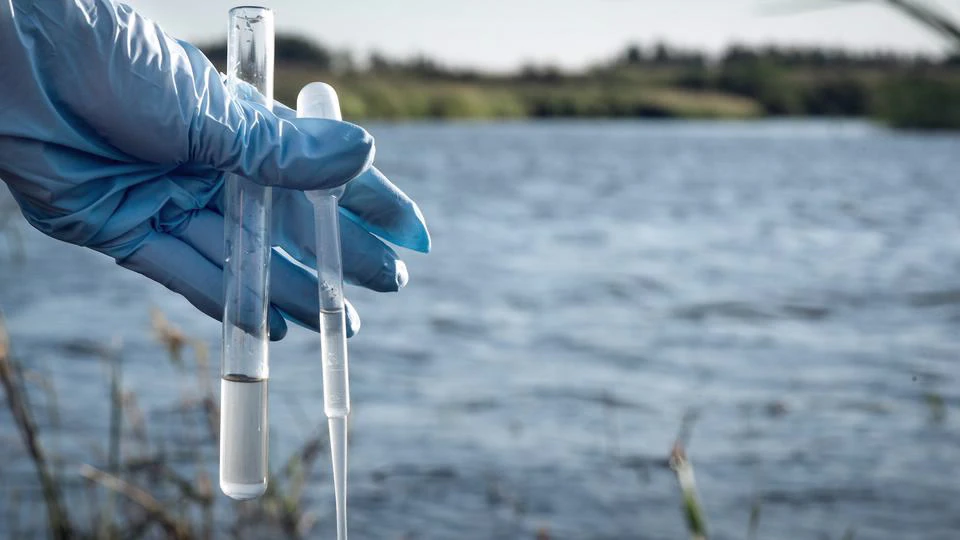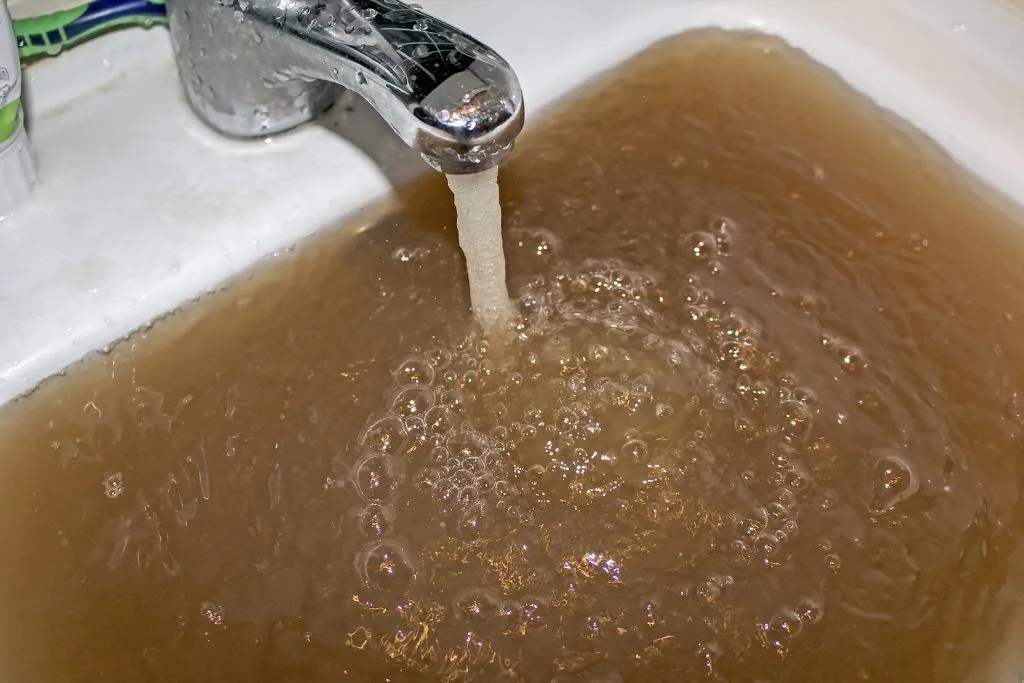

A trusted water testing laboratory Manhattan plays a foundational role in protecting a water system that is a marvel of civil engineering, a sprawling network delivering over one billion gallons of drinking water to millions of residents and thousands of businesses every single day. While the Department of Environmental Protection (DEP) performs rigorous monitoring at the source, the journey from the water main to a kitchen faucet or a commercial cooling tower is fraught with variables.
In a city defined by its dense infrastructure and aging buildings, the role of independent, certified water laboratories is not just supplemental; it is essential to public health and operational efficiency. These facilities serve as the analytical backbone for property owners, construction firms, and environmental consultants, ensuring that the water flowing through private plumbing remains as safe as the day it left the reservoir.
The Critical Role of Certification in NYC Water Testing
When we talk about “certified” laboratories, we are referring to facilities that have undergone rigorous accreditation by the New York State Department of Health (NYSDOH) Environmental Laboratory Approval Program (ELAP). In NYC, certification isn’t just a badge of honor; it is a legal and safety requirement for many types of regulatory compliance.
Certified labs are required to follow standardized EPA and state-mandated methods for detecting contaminants. Whether testing for lead, copper, Legionella, or volatile organic compounds (VOCs), these labs provide the data-driven certainty that NYC’s complex NYC infrastructure requires. Without this specialized oversight, the data used to make decisions about building safety would be unreliable.
Manhattan Mixed-Use Buildings Need Smarter Testing Scopes
Manhattan is defined by its vertical, high-density architecture, often housing a complex blend of retail, commercial office space, and residential apartments all within a single structure. For these Manhattan mixed-use buildings, a “one-size-fits-all” water quality assessment is insufficient. Instead, property managers are increasingly moving toward smarter testing scopes that address the diverse needs of different tenants.
Addressing Varying Usage Patterns
In a mixed-use environment, the residential floors may have consistent water usage, while a ground-floor retail space or a commercial gym might have sporadic or extremely high-volume demands. These varying patterns can lead to localized stagnation in some branches of the plumbing and high-velocity “scouring” in others. Smart testing scopes involve sampling from multiple locations within the building to ensure that the water quality for a top-floor penthouse is as safe as the water being used in a ground-floor restaurant.
Overlapping Regulatory Requirements
A single Manhattan building might fall under multiple regulatory umbrellas simultaneously. The cooling tower on the roof must meet Local Law 77 bacteria requirements, while the residential units may need to comply with lead-safe housing standards. Certified laboratories help building owners streamline these overlapping needs into a single, cohesive water testing services plan, reducing administrative burden while maximizing safety.
Arsenic Remains an Important Part of Certified Water Analysis
While lead often dominates the headlines, arsenic analysis remains a vital component of a comprehensive water quality profile. Arsenic is a naturally occurring element that can enter water supplies through geological deposits or as a byproduct of historical industrial activities.
- Detection in Urban Settings: Although the city’s surface water is generally low in arsenic, soil disturbances or breaches in aging plumbing can occasionally influence local quality.
- High-Sensitivity Methods: Certified laboratories use technologies like ICP-MS to detect arsenic at levels far below the EPA limit of 10 ppb, providing an essential early warning system.
Queens Neighborhoods Shape Water Testing Needs
The borough of Queens illustrates how diverse housing stock creates a patchwork of safety needs. From high-rises to pre-war homes, testing must be adapted to the specific neighborhood context.
- Long Island City & Flushing: Testing focuses on rooftop storage tanks and high-pressure delivery systems.
- Astoria & Glendale: In historic districts, the focus is on the “lead legacy,” using first-draw analysis to detect leaching from older service lines as outlined in our borough water guides.
NYC Restaurant Kitchens Need Operational Testing
For NYC’s culinary scene, water is a critical ingredient and a protector of expensive equipment.
- High-Flow Analysis: High-volume draws during service can stir up sediment. Labs help chefs understand how water behaves under peak operational pressure.
- Equipment Protection: By identifying mineral imbalances, labs help restaurateurs customize filtration for espresso machines and steamers.
PFAS Analysis Has Moved Into the Mainstream
PFAS (per- and polyfluoroalkyl substances) analysis is now a mainstream component of urban safety. With 2026 federal MCLs set at 4 ppt, certified labs have seen a surge in requests from residential co-ops and commercial towers. This analysis helps determine if point-of-entry filtration is necessary to meet modern health-based goals.
Corrosion Indicators Can Reframe the Meaning of a Water Report
Corrosion indicators provide a nuanced layer of intelligence. Corrosion determines the long-term safety of a building’s water system.
- LSI Index: Certified labs use the Langelier Saturation Index to determine if water is “aggressive,” which can explain elevated metal levels even when the city’s supply is clean.
- Predictive Maintenance: Indicators like chlorides help owners prevent the premature failure of boilers and heaters.
Water Quality Consultants Bring Structure to Complicated Results
Raw data from a lab can be overwhelming. Water Quality Consultants act as a bridge, translating technical findings into clear narratives. They ensure that testing protocols meet the specific requirements of the NYC Department of Health and help develop long-term mitigation strategies for complex properties.
The Process: From Tap to Result
When you engage with a lab, the process follows a strict scientific path:
- Collection: Proper sampling (first-draw vs. flushed) is the foundation of accuracy.
- Chain of Custody: Documenting the sample’s journey to ensure legal defensibility.
- Analysis: Utilizing advanced technologies like LC-MS/MS and ICP-MS.
- Reporting: Comparing findings against the most current 2026 federal and local health standards.
For quick answers regarding common contaminants, the FAQ section is an invaluable resource for property owners.
Conclusion
The vastness of New York City means that water safety cannot be a centralized effort alone. It requires a decentralized network of experts and scientists working in certified facilities to monitor the millions of endpoints where the public interacts with water.
From the complex mixed-use buildings of Manhattan to the diverse residential needs in Queens, certified water laboratories are the silent partners in NYC’s success. They provide the transparency, accuracy, and local expertise needed to keep our most precious resource safe for everyone.
If you have questions about the safety of your building’s water, the best first step is to contact us or explore our blog for the latest updates on NYC water quality standards. Keeping New York’s water safe is a collective effort, and it starts with a certified test.