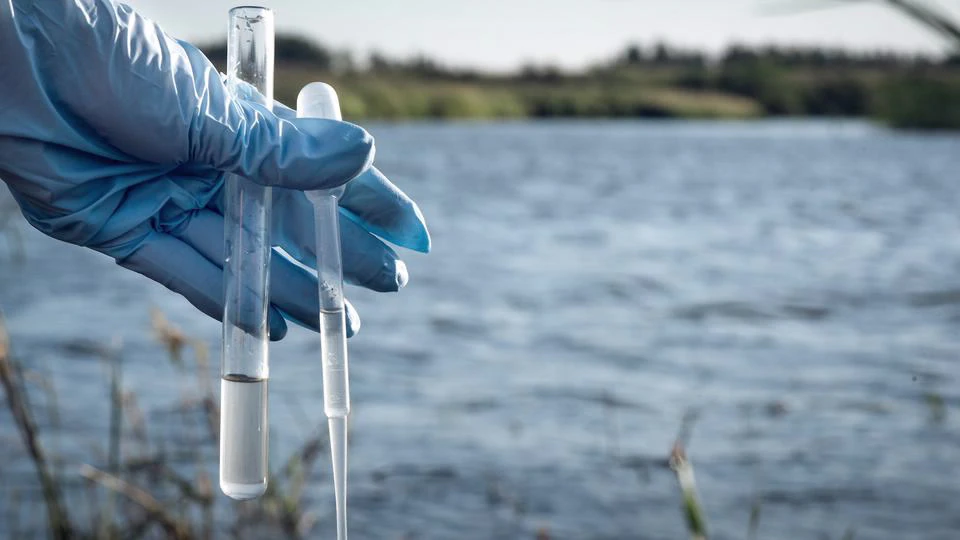

A trusted water testing laboratory NYC is essential in the high-demand real estate markets of Long Island City, Downtown Brooklyn, and Hudson Yards, where “new” is often equated with “perfect.” For tenants and property managers in these gleaming glass-and-steel towers, it is easy to assume that because the infrastructure and internal plumbing are modern, the water quality is beyond reproach.
However, experience across the five boroughs in 2026 shows that age is not the only factor in water safety. Newer buildings face a unique set of challenges, from construction-related contaminants to the biological risks inherent in high-tech plumbing designs. To protect residents and maintain the “luxury” status of a new development, proactive water testing is essential.
The “Commissioning” Contaminant Gap
When a new residential tower is completed, the plumbing system has often gone through months of installation, pressure testing, and intermittent use. This “commissioning” phase can introduce materials into the water stream that wouldn’t be found in an older, established building.
- Solder and Flux: While lead solder is banned, modern soldering fluxes used to join copper pipes can leach into the water if lines aren’t properly flushed. These can affect the taste and, in some cases, the chemistry of the water.
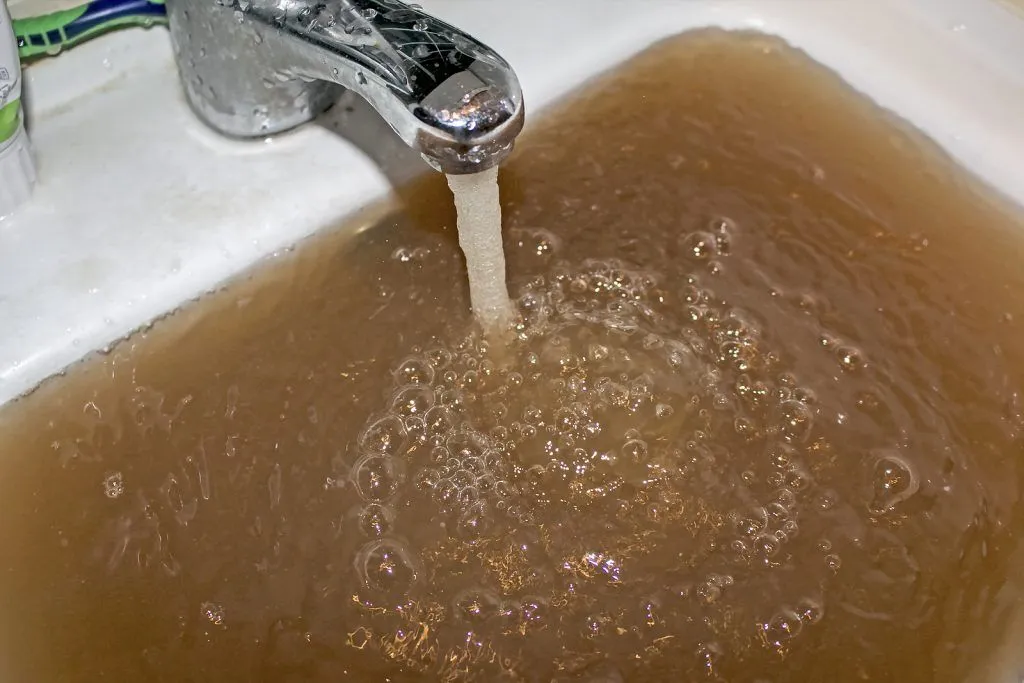
- Construction Debris: Silt, copper shavings, and even small pieces of plastic from PEX piping can linger in the system. This sediment can clog the delicate fixtures found in luxury units or cause premature wear on booster pumps.
- Chemical Leaching: Newer high-density polyethylene (HDPE) and PEX pipes are durable, but in some instances, they can leach volatile organic compounds (VOCs) or impart “plastic” odors to the water during the first few months of occupancy.
The Problem of Low Occupancy and Stagnation
Newer buildings rarely fill up overnight. A “lease-up” period can take 12 to 24 months, meaning many units—and the pipes leading to them—sit dormant.
As we’ve discussed in our analysis of HPC results, stagnant water is a breeding ground for bacteria. When water doesn’t move, the chlorine residual provided by the city dissipates. In the warm environment of a modern, climate-controlled high-rise, this allows biofilm to develop inside the brand-new pipes. Without a certified baseline and a rigorous flushing protocol, the first tenants to move into a new wing could be greeted by water that has been sitting for months.
High-Tech Systems and Legionella Risks
To meet modern energy efficiency standards like Local Law 97, newer buildings often employ complex water heating and cooling systems. While these are great for the environment, they can be risky for water safety if not monitored.
- Low-Flow Fixtures: To conserve water, newer buildings use low-flow showerheads and faucets. While efficient, they reduce the velocity of water through the pipes, which can increase the accumulation of sediment and biofilm.
- Complex HVAC Loops: Modern cooling towers and large-scale domestic hot water systems are primary targets for Legionella colonization. Even in a brand-new building, a cooling tower that hasn’t been properly balanced can harbor dangerous pathogens within weeks of operation.
Meeting the “Wellness” Expectation
Today’s luxury tenants in Brooklyn locations and Manhattan are increasingly focused on wellness and transparency. They use air purifiers, track their sleep, and—increasingly—test their own water.
A property manager who waits for a tenant to bring them a “failed” home test kit is already behind the curve. By maintaining an archive of certified records, management can prove to prospective residents that the building’s water is not just “new,” but scientifically verified as safe. This transparency is a powerful tool for tenant retention and brand protection.
Conclusion: New Pipes, Modern Intelligence
A building is a living system, and like any new system, it requires a “break-in” period of intense monitoring. Testing the water in a new building isn’t a sign of a problem; it’s a sign of sophisticated management.
Whether you are managing a new development in Queens or a luxury high-rise in Manhattan, don’t let the “new building” label lead to complacency. Ensure your property’s water quality is as modern as its architecture. Visit our FAQ to learn more about commissioning tests, or contact us to schedule your building’s first certified analysis.