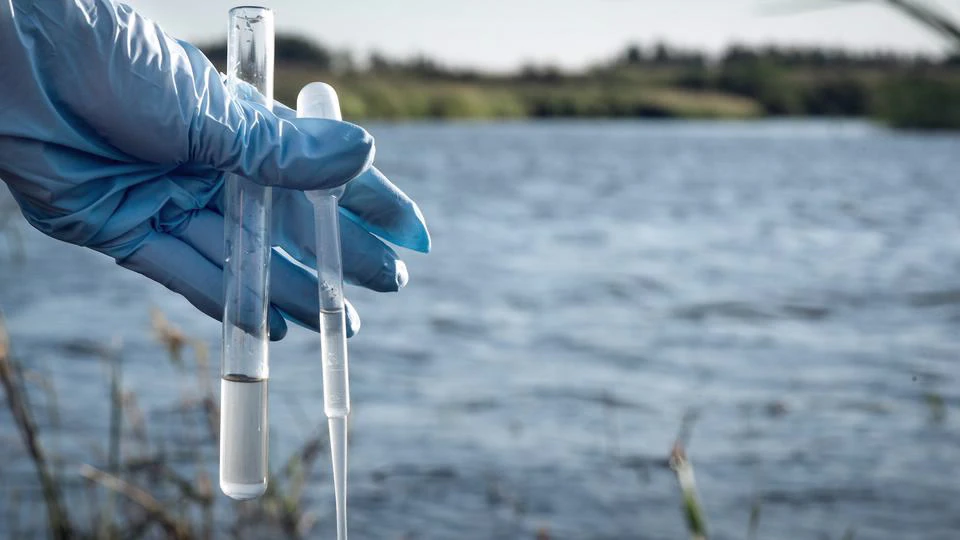

For a water system, water testing labs Queens act as an essential line of defense, safeguarding an expansive network that delivers over one billion gallons of drinking water to millions of residents and thousands of businesses every day. While the Department of Environmental Protection (DEP) conducts extensive monitoring at the source, the route from the water main to a kitchen faucet or a commercial cooling tower involves numerous unpredictable variables.
In a city defined by its dense infrastructure and older building stock, independent, certified water laboratories are hardly optional; they are fundamental to protecting public health and ensuring smooth operational performance. These facilities function as the analytical backbone for property owners, construction firms, and environmental consultants, guaranteeing that the water moving through private plumbing remains as pure and safe as the moment it left the reservoir.
The Critical Role of Certification in NYC Water Testing
When we talk about “certified” laboratories, we are referring to facilities that have undergone rigorous accreditation by the New York State Department of Health (NYSDOH) Environmental Laboratory Approval Program (ELAP). In NYC, certification isn’t just a badge of honor; it is a legal and safety requirement for many types of regulatory compliance.
Certified labs are required to follow standardized EPA and state-mandated methods for detecting contaminants. Whether testing for lead, copper, Legionella, or volatile organic compounds (VOCs), these labs provide the data-driven certainty that NYC’s complex NYC infrastructure requires. Without this specialized oversight, the data used to make decisions about building safety would be unreliable.
Queens Apartment Renovations Can Quietly Shift Water Conditions
Queens is currently seeing a massive wave of residential upgrades, from historic co-ops in Jackson Heights to pre-war apartments in Astoria. While these updates improve aesthetics and value, Queens apartment renovations can quietly and significantly shift the chemical and biological conditions of a home’s water.
The Impact of Physical Disturbances
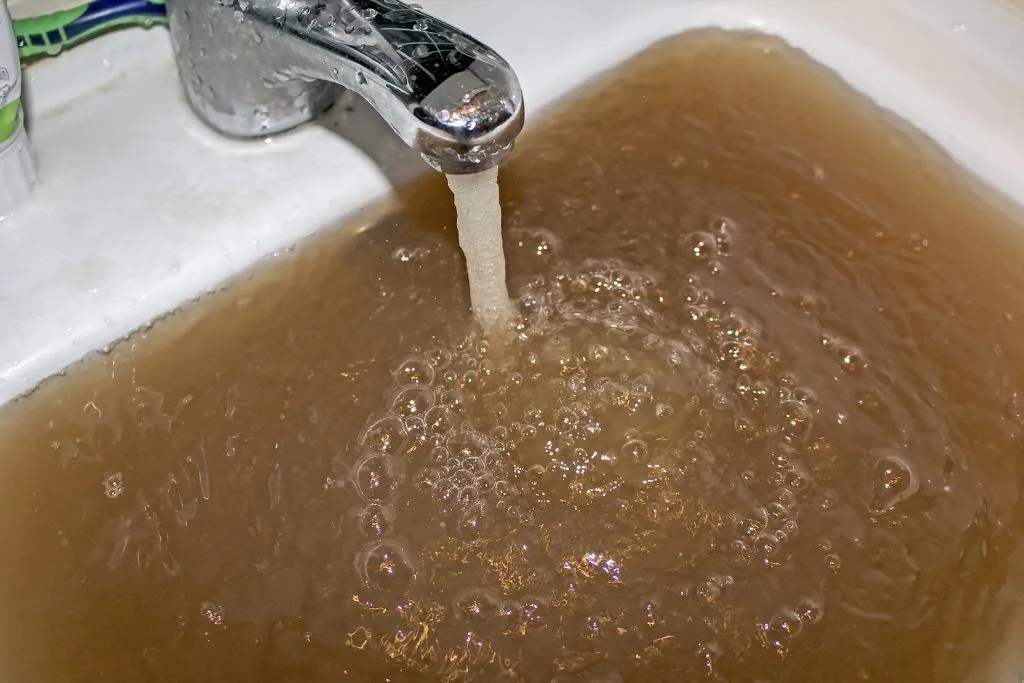
When walls are opened and pipes are replaced or rerouted, the physical vibration and pressure changes can dislodge years of accumulated “biofilm” and mineral scale. In older buildings, this often includes lead and copper particles that have been safely sequestered behind a protective layer of phosphoric acid treatment. A renovation can break this barrier, leading to a temporary but sharp spike in heavy metal concentrations. Certified labs recommend a “post-renovation” water testing service to ensure that the water has returned to a stable, safe baseline before residents move back in.
Stagnation During the Construction Phase
Renovations often involve long periods where water is shut off or remains stagnant in the pipes. This lack of flow is a primary driver for bacterial growth. In 2026, many property managers in Long Island City and Sunnyside are implementing “flush and test” protocols as a standard part of their renovation sign-off. This ensures that any opportunistic bacteria that may have colonized the plumbing during construction are identified and remediated.
The Danger of Mixed Materials
One of the most common issues in Queens renovations is the mixing of new PEX or copper piping with legacy galvanized steel or lead service lines. This creates a “dielectric” environment that can accelerate corrosion through a process called galvanic action. Certified locations-based testing can identify if these new connections are causing an increase in corrosive indicators, allowing homeowners to address the issue before it leads to pinhole leaks or water quality failure.
Potability Panels Offer a Broader View of Urban Drinking Water
While mandated lead tests are common, they only reveal one piece of the puzzle. For those seeking a comprehensive understanding of their building’s health, Potability Panels offer a broader diagnostic snapshot.
- Comprehensive Markers: These panels check for microbiological indicators (like Coliform), physical parameters (like pH and turbidity), and secondary aesthetic standards (like iron and chloride).
- Interconnected Intelligence: Combined data helps consultants identify the root cause of an issue. For instance, high lead plus low pH indicates an internal corrosion problem that a simple lead test alone wouldn’t explain.
Property Owners Across NYC Are Looking for Better Water Data
In 2026, NYC property owners are seeking high-frequency intelligence to manage risk and satisfy tenant transparency demands.
- Local Law 159 Compliance: As of May 2026, cooling towers must undergo monthly Legionella sampling. This change has turned water data into a monthly operational essential for buildings in every borough.
- Wellness as a Standard: High-resolution water data has become a competitive advantage in the Manhattan and Brooklyn rental markets, providing tenants with proof of a “healthy building.”
Manhattan Mixed-Use Buildings Need Smarter Testing Scopes
Manhattan’s vertical architecture creates complex needs where retail and residential tenants share a single supply.
- Diverse Usage Patterns: High-volume draws from commercial kitchens differ from residential usage. Smarter scopes involve sampling from multiple locations to ensure safety for all tenant types.
- Streamlined Reporting: Labs help managers coordinate cooling tower mandates and residential lead testing into one defensible data set.
Queens Neighborhoods Shape Water Testing Needs
Housing stock in Queens dictates specific data needs. From the high-rises of Flushing to the pre-war homes of Woodhaven, testing must be localized.
- Rooftop Tank Monitoring: High-rises must perform annual bacteriological testing on storage tanks as per NYC Health Code.
- Legacy Plumbing: In historic districts, homeowners rely on certified data to identify lead leaching that is unique to their specific property, as detailed in our borough water guides.
PFAS Analysis Has Moved Into the Mainstream
PFAS (per- and polyfluoroalkyl substances) analysis is now a mainstream safety component. With 2026 federal MCLs set at 4 ppt, certified labs provide the high-sensitivity analysis necessary for residential co-ops to determine if point-of-entry filtration is required to meet modern health goals.
Water Quality Consultants Bring Structure to Complicated Results
Raw data can be overwhelming. Water Quality Consultants act as a bridge, translating technical findings into clear narratives and ensuring testing protocols meet NYC Department of Health requirements. They help develop long-term strategies for complex renovations and properties, often utilizing our FAQ section for guidance.
The Process: From Tap to Result
When you engage with a lab, the process follows a strict scientific path:
- Collection: Proper sampling (first-draw vs. flushed) is the foundation of accuracy.
- Chain of Custody: Documenting the sample’s journey to ensure legal defensibility.
- Analysis: Utilizing advanced technologies like LC-MS/MS and ICP-MS.
- Reporting: Comparing findings against the most current 2026 federal and local health standards.
Conclusion
The vastness of New York City means that water safety cannot be a centralized effort alone. It requires a decentralized network of experts and scientists working in certified facilities to monitor the millions of endpoints where the public interacts with water.
From the specific challenges of Queens apartment renovations to the new monthly mandates of Local Law 159, certified water laboratories are the silent partners in NYC’s success. They provide the transparency, accuracy, and local expertise needed to keep our most precious resource safe for everyone.
If you have questions about the safety of your building’s water, the best first step is to contact us or explore our blog for the latest updates on NYC water quality standards. Keeping New York’s water safe is a collective effort, and it starts with a certified test.