
The skyline of New York City is an ever-evolving silhouette of architectural ambition. From the historic Art Deco spires of the Financial District to the “Billionaires’ Row” ultra-slenders and the sprawling luxury developments in Long Island City, residential towers are the crown jewels of the city’s real estate.
However, managing a vertical city comes with unique logistical hurdles. For a building standing 50 stories high, water is not just a utility; it is a complex engineering feat. To maintain these sophisticated systems, periodic water analysis has become a cornerstone of modern high-rise asset management.
The Complexity of Vertical Plumbing
In a standard low-rise building, city pressure is often enough to move water through the pipes. In a residential tower, the process is far more involved. These buildings rely on a sophisticated network of:
- Roof Tanks and Gravity Tanks: To provide consistent pressure to upper floors.
- Booster Pumps: To drive water upward against the force of gravity.
- Pressure Reducing Valves (PRVs): To ensure that water hitting the lower floors doesn’t burst the pipes.
Every time water is pumped, stored, or slowed down, its chemistry can change. Stagnation in a roof tank during low-occupancy periods can lead to sediment buildup or a drop in chlorine levels, allowing for the growth of microbial colonies. Periodic water testing services are the only way to ensure that the water on the 60th floor is as safe as the water entering the basement.
Mitigating the Risk of Legionella
For residential towers, the most significant biological threat is Legionella. This bacterium thrives in the complex “dead legs” of large-scale plumbing systems and within the warm environment of cooling towers and domestic hot water heaters.
New York City has some of the most stringent regulations in the world (specifically Local Law 77) regarding the maintenance of cooling towers. However, “compliance” is the floor, not the ceiling. Forward-thinking property managers use periodic analysis to monitor the “health” of their water treatment chemicals. By analyzing the water, they can determine if their biocides are effective or if the system is developing a resistance, allowing for adjustments before an outbreak occurs.
Protecting the Investment: Pipe Longevity
The cost of a re-piping project in a Manhattan or Brooklyn luxury tower is astronomical. Not only is the physical labor expensive, but the disruption to high-rent tenants can lead to a mass exodus and significant “rent abatement” claims.
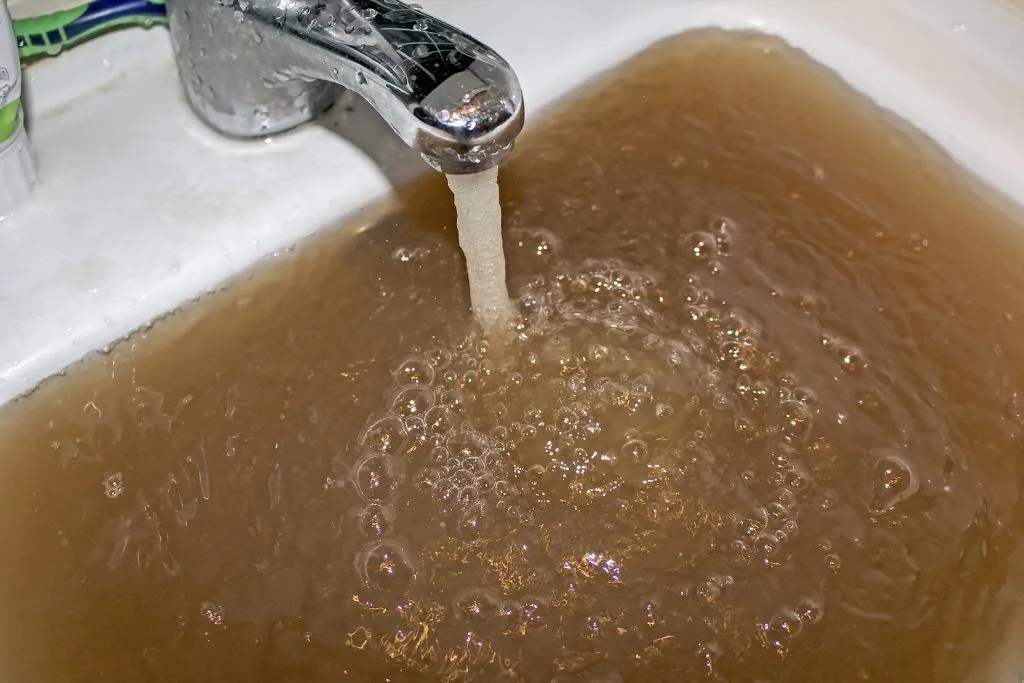
Periodic analysis acts as a preventative maintenance tool for the building’s “circulatory system.” By monitoring parameters like pH, alkalinity, and dissolved oxygen, managers can identify if the water is becoming too “aggressive.”
- Corrosive water will eat through copper and steel, leading to hidden leaks behind drywall.
- Scaling water will clog valves and reduce the efficiency of heat exchangers, driving up the building’s energy bills.
Understanding these trends through NYC infrastructure insights allows for the implementation of corrosion inhibitors that can extend the life of the building’s plumbing by decades.
Meeting Tenant Expectations for “Wellness”
In the current real estate market, “wellness” is a major selling point. Modern tenants aren’t just looking for a gym and a doorman; they are looking for air and water filtration.
When a management team can produce a verified water analysis report conducted by a certified laboratory, it provides peace of mind that no “home test kit” can match. It proves that the building is proactive about lead, PFAS, and microplastics. This transparency is a powerful tool for tenant retention in a competitive market across all NYC locations.
A Proactive Standard for the Future
The era of “set it and forget it” building management is over. As our towers get taller and our infrastructure gets older, the margin for error shrinks. Periodic water analysis is a low-cost, high-impact strategy that protects the physical asset, the financial bottom line, and, most importantly, the health of the thousands of New Yorkers who call these towers home.
If you are managing a high-rise and haven’t audited your water quality recently, explore our FAQ for guidance on establishing a testing cadence or consult our borough-specific guides to see how your neighborhood’s history might be impacting your building’s pipes today.