Water Testing Consultant Queens: Understanding Water Quality Analysis
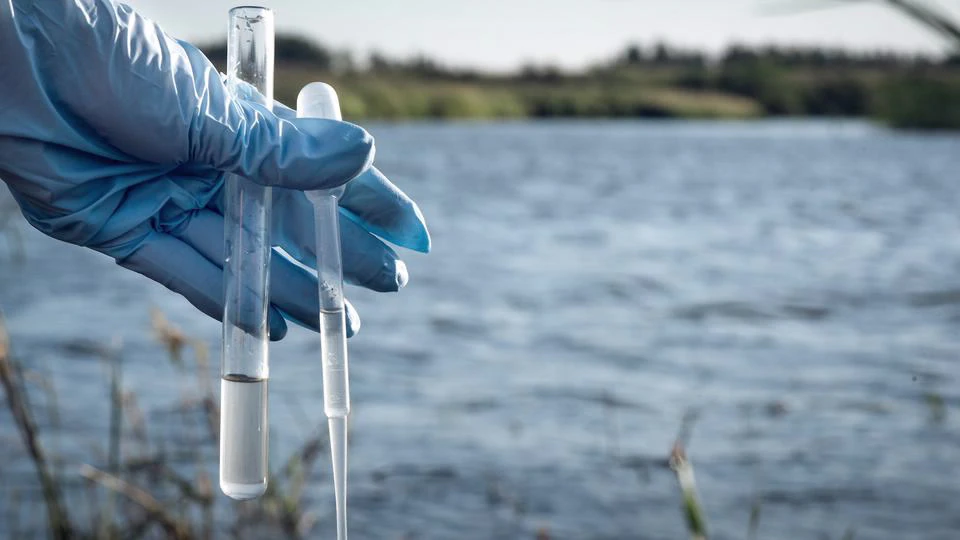
A trusted water testing consultant in Queens can help homeowners protect their drinking water by identifying hidden contaminants before they become a serious problem. Clean water is not something you can judge by appearance alone, because substances like lead, bacteria, chemical residues, and other impurities often have no taste, smell, or visible warning signs. This is why professional water quality analysis is so important for any home.
By collecting samples and performing detailed testing, a water testing consultant in Queens provides clear, accurate results that help you understand exactly what is in your water. These experts can also explain the findings in simple terms, recommend the right next steps, and guide you toward filtration or treatment solutions if needed. For homeowners who want safer water and greater peace of mind, professional testing offers a practical and reliable solution.
What Water Quality Analysis Actually Measures
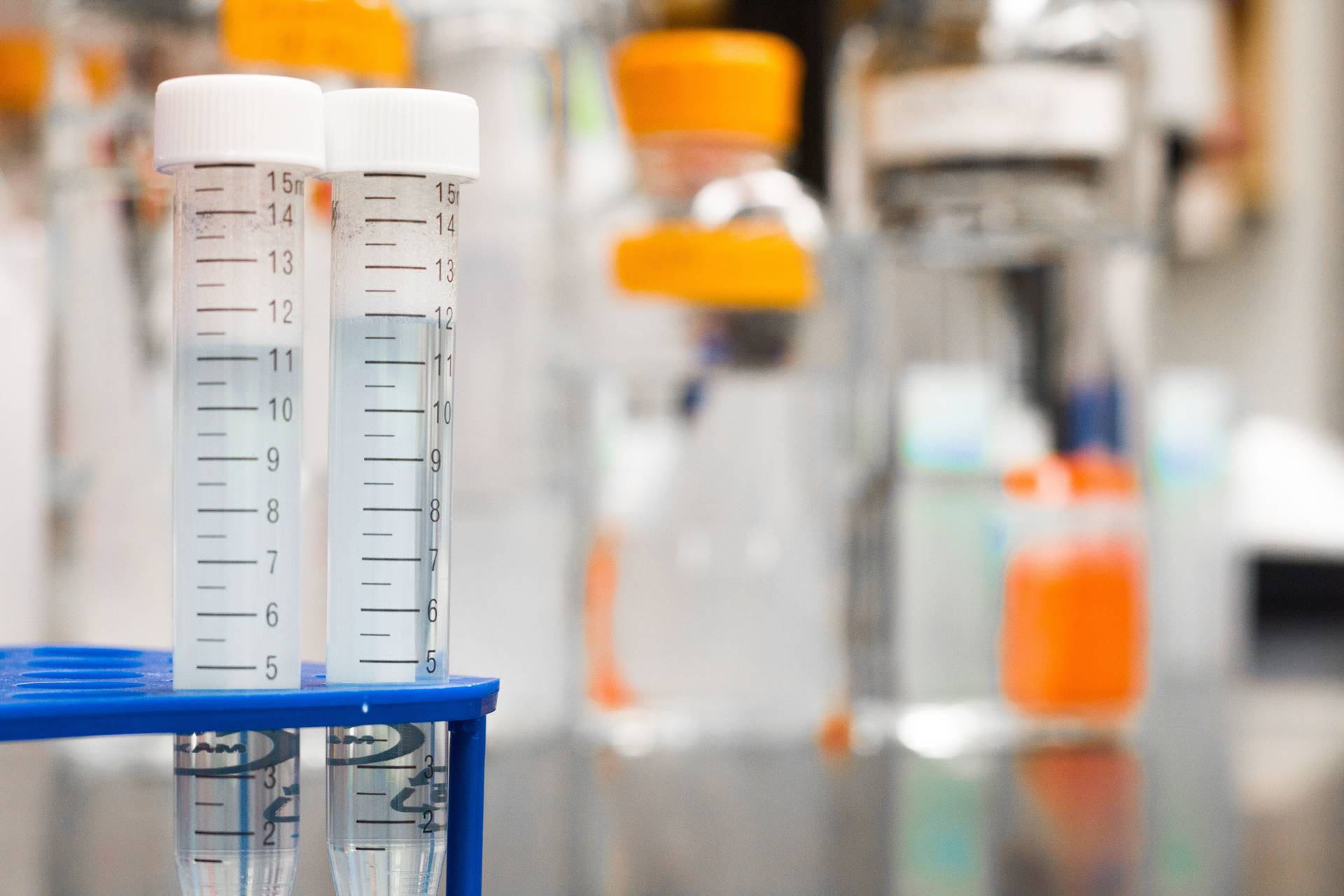
Water quality analysis is a scientific process that evaluates the physical, chemical, and biological properties of water. Rather than relying on appearance or intuition, it uses laboratory methods to detect specific substances at precise concentrations, some measured in parts per billion.
A thorough analysis typically looks at several categories of concern:
- Microbiological contaminants, including bacteria such as E. coli and total coliform
- Heavy metals, including lead, copper, and arsenic
- Chemical residues, such as chlorine byproducts and pesticides
- Physical properties, including pH, turbidity, and hardness
- Nutrient contamination, such as nitrates and nitrites from runoff
Homeowners can learn more about available water testing services and the types of analysis that may be appropriate for different properties.
Why Visual Clarity Is Not Proof of Safety
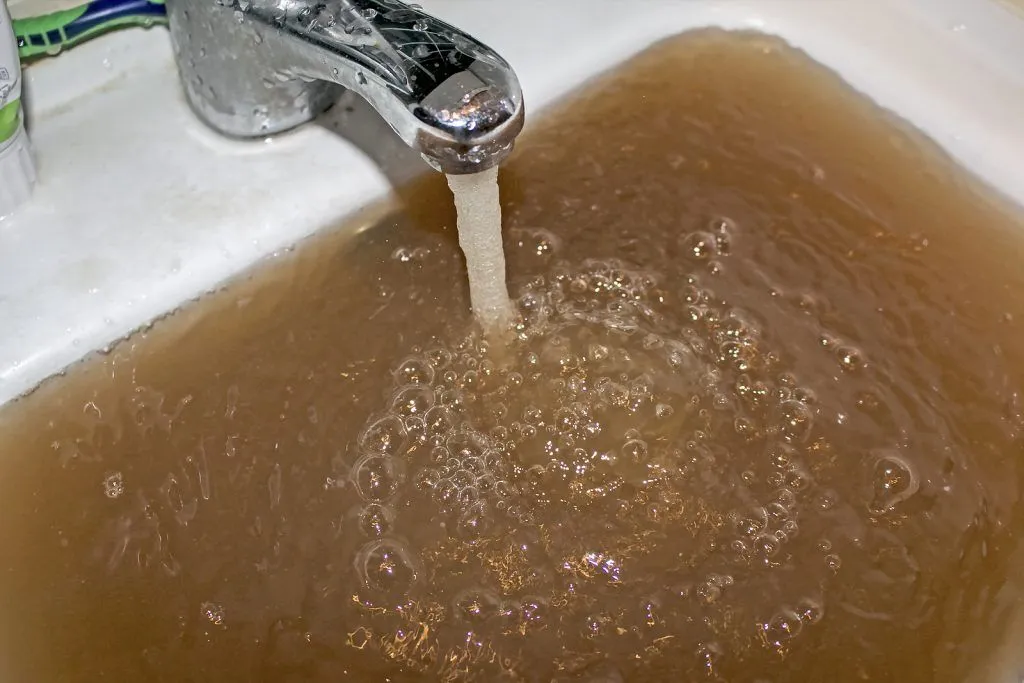
Clear water is often assumed to be clean water, but this assumption can be misleading. Many harmful substances, including lead and certain bacteria, are completely invisible and odorless. This is precisely why professional testing exists: to reveal what visual inspection cannot.
For additional information about NYC’s water infrastructure and the factors that can influence water quality before water reaches your property, explore this NYC water infrastructure guide.
Why Clean Drinking Water Matters for Healthy Communities
Safe drinking water is a foundation of public health. When water quality declines, the effects ripple outward, impacting everything from children’s development to the reliability of local infrastructure. Communities that prioritize water testing tend to catch problems earlier, respond faster, and avoid the larger costs associated with long-term contamination.
For neighborhoods with a mix of older buildings and modern developments, like much of Queens, this becomes even more important. Aging pipes, inconsistent plumbing standards, and varying maintenance histories all contribute to unpredictable water quality from one property to the next.
Residents interested in water-quality information across New York City’s different communities can also explore these borough water guides.
The Human Impact of Poor Water Quality
- Children exposed to lead can experience developmental and cognitive effects
- Pregnant individuals face heightened risks from certain contaminants
- Older adults and those with weakened immune systems are more vulnerable to bacterial exposure
- Long-term exposure to low-level contaminants can contribute to chronic health issues
The Role of a Water Testing Consultant
Many homeowners and property managers assume that water testing is something only large municipalities or government agencies handle. In reality, independent consultants play a critical role in helping individual households and buildings understand their specific water conditions.
A water testing consultant does more than collect samples. They interpret results, explain risks in plain language, and recommend practical next steps based on your property’s unique plumbing history and water source.
What a Consultant Typically Provides
- On-site sample collection using proper protocols
- Coordination with certified laboratories for accurate analysis
- Clear, understandable reporting instead of raw data dumps
- Guidance on filtration systems, plumbing repairs, or further testing
- Ongoing support for property managers overseeing multiple units
If you have questions about the testing process, contaminants, or available services, the water testing FAQ provides answers to common questions.
Common Water Quality Issues Found in Queens Properties
Every property has its own water story, shaped by its age, plumbing materials, and maintenance history. Understanding common issues can help residents know what questions to ask and when to schedule testing.
Lead in Older Plumbing Systems
Homes built before modern plumbing regulations may still contain lead pipes, solder, or fixtures. Since lead has no taste or odor, testing is the only reliable way to confirm whether it is present.
Hard Water and Mineral Buildup
High concentrations of calcium and magnesium can lead to scale buildup in pipes and appliances. While not typically hazardous to health, hard water can reduce the efficiency and lifespan of plumbing systems.
Bacterial Contamination After Repairs or Flooding
Any disruption to a plumbing system, whether from repairs, construction, or flooding, can introduce bacteria into the water supply. Testing after such events helps confirm the water is safe again before regular use resumes.
Chlorine and Disinfection Byproducts
While chlorine plays an important role in municipal water treatment, some residents prefer to monitor byproduct levels, particularly if they notice strong odors or tastes in their tap water.
Homeowners can also browse the latest water testing articles and resources for additional information about common water-quality concerns.
How the Water Testing Process Works
Understanding the testing process can help demystify what is often seen as a complicated or intimidating service. In reality, it follows a clear, structured sequence.
Step 1: Initial Consultation
A consultant reviews your property’s history, plumbing age, and any specific concerns you may have, such as recent renovations or unusual water characteristics.
Step 2: Sample Collection
Water samples are collected directly from relevant taps using strict protocols to prevent contamination during the process, ensuring accurate results.
Step 3: Certified Laboratory Testing
Samples are analyzed in a certified lab, where they are screened for the contaminants most relevant to your property type and location.
Step 4: Result Interpretation
Rather than handing over a technical report full of unfamiliar terms, a good consultant explains what the numbers mean and whether any levels exceed recommended safety thresholds.
Step 5: Actionable Recommendations
Based on the findings, you receive specific guidance, whether that means installing a filtration system, replacing certain plumbing components, or simply confirming your water is safe as is.
Homeowners who are ready to discuss their testing requirements can contact a water testing professional for more information.
Building Sustainable Water Practices at Home
Water quality is not just about one-time testing. It is part of a broader, ongoing responsibility that supports both individual health and community sustainability. Small, consistent habits can make a meaningful difference over time.
- Schedule water testing annually, or after any major plumbing work
- Address leaks quickly to prevent water waste and bacterial growth
- Replace outdated pipes or fixtures that may contain lead
- Choose filtration systems based on actual lab results, not guesswork
- Maintain water heaters and storage tanks to reduce contamination risk
These habits, combined with periodic professional analysis, help create a reliable, long-term approach to water safety rather than a reactive one.
Choosing the Right Water Testing Consultant
Not every provider offers the same level of expertise or transparency. When selecting a consultant, homeowners and property managers should look for a few essential qualities:
- Certified laboratory partnerships that meet recognized testing standards
- Clear communication that avoids unnecessary technical jargon
- Familiarity with local infrastructure, especially older buildings common throughout Queens
- Transparent pricing with no surprise fees
- Responsive support for questions before, during, and after testing
A consultant who checks these boxes will not only provide accurate results but also help you understand exactly what those results mean for your household or property.
If you are looking for available service areas or testing locations, you can review the water testing locations page before getting started.
Final Thoughts
Clean drinking water is not guaranteed by appearance or assumption. It depends on consistent testing, informed analysis, and a genuine understanding of how local infrastructure affects water quality. For residents and property managers throughout Queens, working with a knowledgeable consultant offers clarity, protection, and long-term peace of mind.
Investing in water quality analysis today is a practical step toward protecting your health, your property, and the broader community’s access to safe, reliable drinking water.
To learn more about professional water analysis and testing options, visit the NYC water testing homepage.
Frequently Asked Questions
What is the difference between water testing and water quality analysis?
Water testing typically refers to the sample collection and lab screening process, while water quality analysis includes interpreting those results in the context of safety standards and practical recommendations.
How often should water quality be tested?
Most homeowners should test at least once a year, with additional testing recommended after plumbing repairs, renovations, or noticeable changes in water taste, smell, or color.
Do I need a consultant, or can I just use a home testing kit?
Home testing kits can offer basic screening, but they lack the sensitivity of certified laboratory analysis, especially for contaminants like lead that require precise detection methods.
Are older homes more likely to have water quality issues?
Yes. Homes built before modern plumbing regulations are more likely to contain lead pipes or fixtures, making regular testing especially important for these properties.
What happens if contaminants are found in my water?
Depending on the specific contaminant, recommendations may include installing a certified filtration system, repairing or replacing plumbing components, or consulting further with a specialist.
How long does the water testing process typically take?
Turnaround times vary based on the tests requested, but most standard water quality reports are completed within a few business days after sample collection.