
Water Testing Queens: Why Safe Drinking Water Is a Science, Not a Guess
A trusted water testing company in Queens can help homeowners better understand exactly what is flowing through their pipes and whether their water is truly safe. Clean, safe drinking water does not happen by accident. It is the result of careful science, consistent testing, and responsible management of the systems that deliver water to your home.
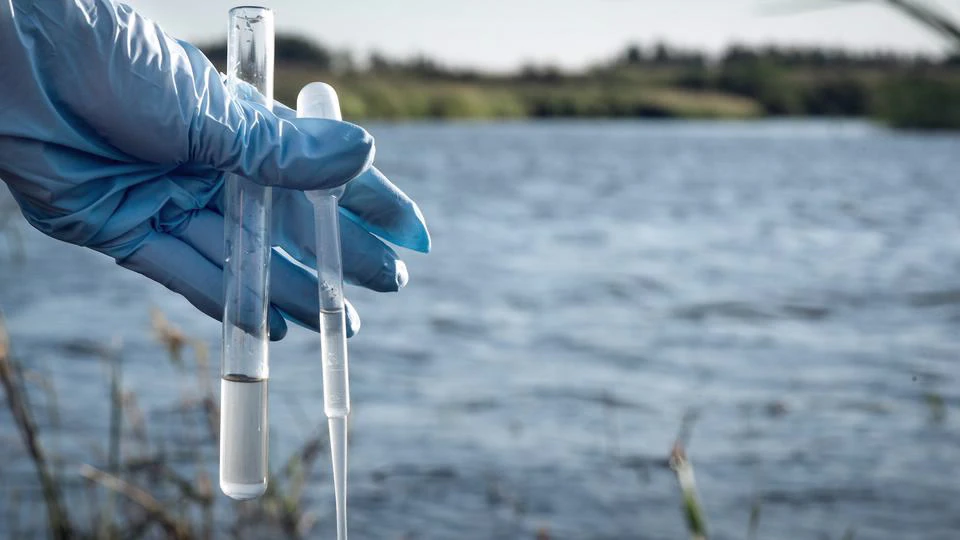
If you have ever wondered what is actually running through your pipes, professional water testing can provide clear answers. These experts collect water samples, analyze them for contaminants such as lead, copper, bacteria, iron, and other hidden impurities, and then explain the results in simple, practical terms. Their work helps you identify potential problems early, choose the right filtration or treatment solution, and make informed decisions that protect both your household and your peace of mind.
Why Safe Drinking Water Is a Science, Not a Guess
Water quality is governed by chemistry, biology, and engineering working together. Treatment plants use specific chemical processes to remove pathogens and sediment, but water can pick up new contaminants after it leaves the plant. Aging pipes, old fixtures, and building infrastructure all play a role in what actually reaches your faucet.
This is why lab-based water analysis matters so much. Only precise testing can confirm whether your water meets safety standards, or whether hidden issues are putting your household at risk.
For more information about how local infrastructure can influence water quality, explore this NYC water infrastructure guide.
The Role of Laboratory Testing
Certified laboratories use scientific methods to measure specific contaminants at extremely low concentrations. This level of accuracy cannot be replicated with at-home test strips, which are useful for basic screening but lack the precision needed for serious health decisions.
Professional water analysis may include:
- Detection of bacteria such as E. coli and coliform
- Measurement of lead, copper, and other heavy metals
- Analysis of pH, hardness, and mineral content
- Identification of chlorine byproducts and disinfection residue
- Screening for nitrates, nitrites, and industrial runoff markers
You can learn more about available water testing services and laboratory analysis to determine which testing options may be appropriate for your property.
Why Regular Water Testing Matters for Queens Residents
Queens is home to a mix of older buildings, newer developments, and a wide range of plumbing systems. Each of these factors can influence water quality differently. Older homes may still have lead service lines or aging copper pipes, while newer buildings can face issues tied to stagnant water in unused units or irregular maintenance schedules.
Regular testing is not just for people who suspect a problem. It is a preventive habit, similar to scheduling a health checkup before symptoms appear. Contaminants like lead often show no immediate signs, which makes routine testing an important way to catch issues early.
Residents can also explore water testing information by NYC borough for additional guidance specific to local conditions.
Who Should Prioritize Water Testing
- Homeowners with older plumbing or private wells
- Property managers responsible for multi-unit buildings
- Families with young children or pregnant individuals, since lead exposure is especially harmful to development
- Landlords who want to meet safety obligations and avoid liability
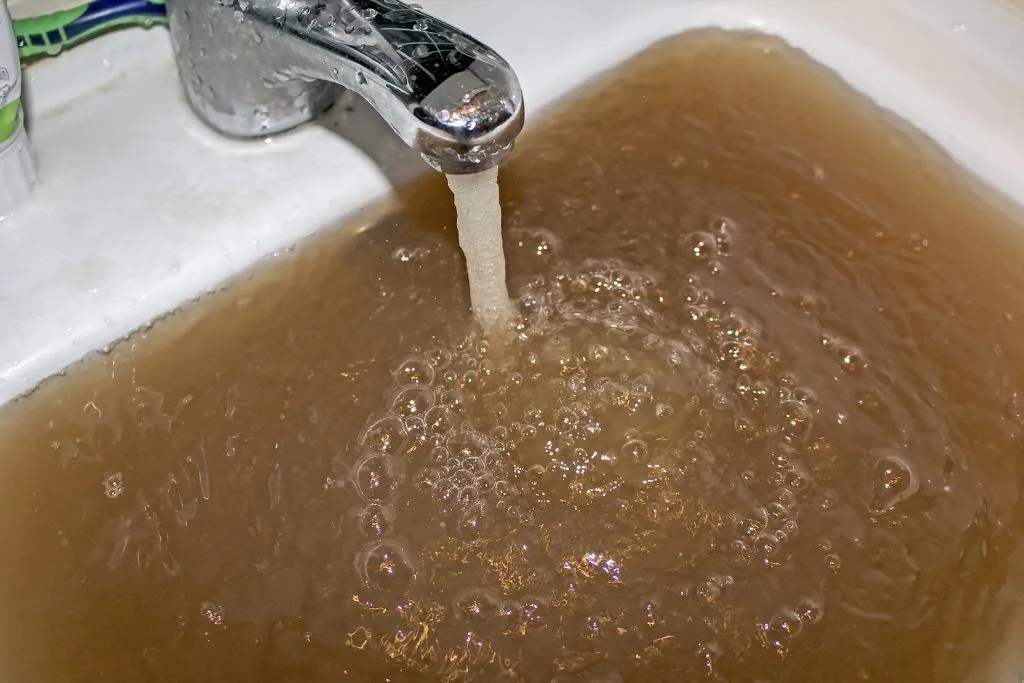
- Anyone experiencing changes in water taste, smell, or color
If you are unsure which type of testing is appropriate for your home or property, the NYC water testing FAQ can help answer common questions.
Common Water Quality Issues in Queens Homes
Understanding what to look for can help residents decide when testing is necessary. While not every issue is dangerous, each one is worth investigating.
Lead Contamination
Lead exposure remains one of the most serious water safety concerns in older housing stock. Because lead has no taste, smell, or visible presence in water, testing is the only way to confirm its absence or presence.
Hard Water
Hard water contains high levels of calcium and magnesium. While not typically a health hazard, it can shorten the lifespan of appliances, reduce soap effectiveness, and leave mineral buildup on fixtures.
Bacterial Contamination
Bacteria can enter water systems through cracked pipes, backflow issues, or contamination at the source. Testing for bacteria is especially important after plumbing repairs, flooding, or any noticeable change in water clarity.
Chlorine and Disinfection Byproducts
Municipal water is treated with chlorine to eliminate pathogens, but this process can create byproducts that some residents prefer to monitor or filter out, particularly in households sensitive to strong tastes or odors.
For additional water-quality topics and educational resources, homeowners can browse the NYC water testing blog.
Sustainable Water Management: Thinking Beyond the Tap
Safe drinking water is not only a personal issue. It is part of a larger system that depends on sustainable management at the community and infrastructure level. Sustainable water management means using resources efficiently, protecting water sources from contamination, and maintaining infrastructure so that future generations have reliable access to clean water.
For homeowners and property managers, sustainability starts with small, consistent actions:
- Fixing leaks promptly to reduce water waste
- Replacing outdated plumbing materials, especially lead-based components
- Scheduling regular water testing instead of waiting for visible problems
- Installing appropriate filtration systems based on lab results, not guesswork
- Maintaining water heaters and storage tanks to prevent bacterial growth
When these habits are combined with professional testing, they create a cycle of accountability. Data from water analysis informs better decisions, and better decisions support long-term sustainability for the entire water system.
What Happens During Professional Water Testing
Many residents are unsure what to expect when scheduling a water test. The process is more straightforward than most people assume, and understanding it can make the decision easier.
Step 1: Sample Collection
A technician collects water samples directly from your taps, following strict protocols to avoid contamination during collection. This ensures the results reflect your actual water quality, not external factors.
Step 2: Laboratory Analysis
Samples are sent to a certified lab where they are tested for the specific contaminants relevant to your property, water source, and any concerns you have raised.
Step 3: Detailed Reporting
Results are compiled into a clear report showing which contaminants were detected, their concentrations, and how those levels compare to safety standards.
Step 4: Recommendations
Based on the findings, you receive guidance on next steps, which may include filtration options, plumbing repairs, or simply confirmation that your water meets safety guidelines.
Homeowners who are ready to arrange professional testing can contact the water testing team to discuss their property and testing requirements.
Choosing the Right Water Testing Partner
Not all water testing services offer the same level of accuracy or transparency. When evaluating options, homeowners and property managers should look for a few key qualities:
- Certified laboratory partnerships that follow recognized testing standards
- Clear, jargon-free reporting that explains results without confusion
- Experience with local infrastructure, including older buildings common throughout Queens
- Responsive customer support for questions before and after testing
- Transparent pricing with no hidden fees
Choosing a provider with these qualities ensures that your results are accurate and that you fully understand what they mean for your household.
You can also review water testing locations and service information before scheduling an appointment.
The Long-Term Value of Routine Testing
Water testing is not a one-time task. Plumbing systems age, municipal treatment processes can change, and new construction or repairs can introduce fresh risks. Establishing a routine testing schedule, whether annually or after any major plumbing work, helps ensure that water quality stays consistent over time.
For property managers, this routine also supports tenant trust and regulatory compliance. Demonstrating a proactive approach to water safety can prevent costly disputes and protect the reputation of a building or management company.
Final Thoughts
Safe drinking water depends on more than good intentions. It depends on science, consistent testing, and thoughtful, sustainable management of the systems that bring water into our homes. Queens residents face a unique mix of older infrastructure and evolving urban development, which makes regular water analysis especially important.
Taking a proactive approach today can help identify potential water-quality concerns, protect your plumbing investment, and contribute to a more sustainable water future for the entire community.
For more information about professional testing, visit the NYC water testing homepage.
Frequently Asked Questions
How often should I test my water at home?
Most experts recommend testing at least once a year, and more frequently if you notice changes in taste, color, or odor, or after any plumbing repairs.
Is bottled water safer than tap water?
Not necessarily. Bottled water is not automatically safer, and tap water that has been properly tested and treated can be just as safe, often at a much lower cost.
Can I rely on at-home test kits instead of professional testing?
At-home kits can provide basic screening, but they lack the precision of certified laboratory analysis, especially for contaminants like lead that require highly sensitive detection methods.
What should I do if my test results show contamination?
If contaminants are detected, the appropriate response depends on the specific issue. This may include installing a certified filtration system, repairing or replacing plumbing components, or consulting a professional for further guidance.
Do older homes in Queens have a higher risk of lead contamination?
Yes. Homes built before lead pipe restrictions were introduced are more likely to have lead service lines or fixtures, which makes regular testing especially important for these properties.
How long does it take to get water testing results?
Turnaround times vary depending on the specific tests requested, but most standard water quality reports are available within a few business days after sample collection.